2026 Best CNC Turning Center Options for Precision Machining?
In the rapidly evolving world of precision machining, selecting the right CNC Turning Center is crucial. According to Dr. Alex Mason, a leading expert in the field, "The right CNC Turning Center can transform your production efficiency." This insight underlines the importance of making informed choices in 2026.
CNC Turning Centers are essential for high-precision components. They can significantly improve accuracy and reduce production time. However, not all options on the market meet the highest standards. Some may lack advanced features or durability, leading to costly setbacks.
As technology progresses, the options available can feel overwhelming. It's vital to evaluate each CNC Turning Center's capabilities critically. Reflecting on user experiences and performance metrics can illuminate potential shortcomings. Investing time in research can reveal the perfect match for your needs, paving the way for a successful machining future.
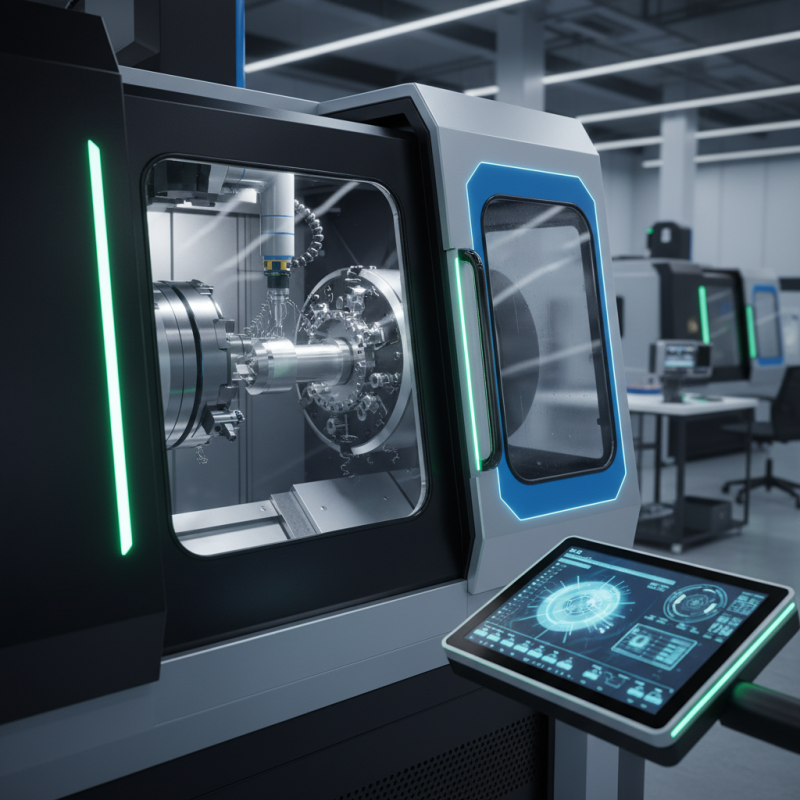
Overview of CNC Turning Centers in Precision Machining
CNC turning centers play a crucial role in precision machining. These machines automate the process of shaping materials with high accuracy. According to a recent industry report, the global CNC machine market is projected to reach $117 billion by 2026. This growth highlights the increasing significance of CNC turning centers in manufacturing sectors.
Precision is paramount in machining. Studies show that CNC turning centers can achieve tolerances as tight as ±0.001 inches. This capability is essential for industries demanding stringent specifications, such as aerospace and medical devices. However, not all turning centers deliver the same level of accuracy, prompting manufacturers to assess their choices carefully.
Despite advancements, certain limitations persist with CNC technology. Operators often face challenges like programming complexities and maintenance issues. Furthermore, the initial investment can be daunting for small enterprises. Addressing these concerns is vital to fully leverage the benefits of CNC turning centers in today’s competitive landscape. The industry must continue to innovate and refine these machines to enhance their capabilities and address these shortcomings.
2026 Best CNC Turning Center Options for Precision Machining
| Model | Max Turning Diameter (mm) | Max Turning Length (mm) | Spindle Speed (RPM) | Power Rating (kW) | Control System | Price Range (USD) |
| Model A | 300 | 1500 | 4000 | 15 | Fanuc | $50,000 - $70,000 |
| Model B | 250 | 1200 | 4500 | 10 | Siemens | $40,000 - $60,000 |
| Model C | 350 | 1800 | 5500 | 20 | Mitsubishi | $60,000 - $80,000 |
| Model D | 200 | 1000 | 6000 | 12 | Haas | $30,000 - $50,000 |
Key Features to Look for in CNC Turning Centers
When selecting a CNC turning center for precision machining, it's crucial to consider key features. Stability is one primary factor. A solid base prevents vibrations during operation. According to a recent industry report, machines with enhanced rigidity show a 25% increase in machining accuracy. This is critical for parts that require tight tolerances.
Additionally, the tooling system plays a pivotal role. A quick-change tooling system can significantly reduce setup time. Reports indicate that shops using efficient tooling systems can increase productivity by up to 30%. However, not all systems are user-friendly, which may lead to operator frustration.
Another essential feature is the control system. An intuitive interface can streamline the learning curve for new operators. Yet, user feedback often highlights that some advanced features remain underutilized due to complexity. Understanding the balance between functionality and usability is vital in the decision-making process. Investing in a machine that does not align with workflow needs can lead to inefficiencies and wasted resources.
2026 Best CNC Turning Center Options for Precision Machining
Top CNC Turning Center Manufacturers for 2026
When looking for the best CNC turning center options for precision machining in 2026, it's essential to consider the leading manufacturers in the industry. These manufacturers focus on innovation and quality. They produce machines that can handle various materials and complex designs with ease. Users frequently report higher efficiency with these leading brands compared to lesser-known options.
Tips: Always assess the specific features you need in a CNC turning center. Look for machines that can accommodate the size and type of materials you use most often. Never underestimate the importance of after-sales support.
The technology in CNC turning centers is evolving rapidly. Some machines offer advanced automation features and real-time monitoring capabilities. However, many users still find some settings complex and non-intuitive. Manufacturers should work on simplifying user interfaces to improve overall user experience.
Tips: Keep an eye on user reviews before choosing a manufacturer. Explore forums to find every detail about performance and support. Experience from other users provides invaluable insights.
Comparative Analysis of Popular CNC Turning Center Models
When selecting a CNC turning center, precision is paramount. A comparative analysis reveals various popular models that excel in different aspects. Recent industry reports indicate that machine accuracy often correlates with cost. Higher-priced models typically offer better tolerance levels, ensuring precision in machining operations. However, affordability remains a crucial factor. Manufacturers often face budget constraints and seek cost-effective options that do not compromise quality.
In practice, a CNC turning center's performance can depend on its features. For instance, spindle speed, tool capacity, and programming interface significantly impact efficiency. While some models boast advanced technology, others may fall short in user-friendliness. A machine's complexity can lead to longer training times, potentially slowing down adoption rates.
Tip: Before purchasing, conduct a thorough analysis of your production requirements. Identify specific machining needs and look for models that align with those goals. Opting for machines with strong customer support can also mitigate potential issues.
Another consideration is the machine's build quality. Some models may have robust construction that contributes to stability during operations. However, others might use lighter materials that could lead to vibrations and inaccuracies over time. Users must weigh these factors based on their production environment.
Tip: Inspect customer reviews and speak with current users to gain insights into real-world performance. Feedback can expose hidden weaknesses that specs alone might not reveal.
Future Trends in CNC Turning Technology and Precision Machining
The CNC turning technology landscape is evolving rapidly. Future trends forecast a significant shift towards automation and artificial intelligence. According to a recent industry report, the global CNC machine market is projected to reach $100 billion by 2026. This growth highlights increased demand for precision machining.
Smart CNC turning centers are becoming more prevalent. These machines integrate IoT technology for real-time data analysis. This integration helps manufacturers optimize production processes. It enhances accuracy and reduces downtime. However, there are challenges. Not all manufacturers can afford these advanced systems.
Sustainability is another critical trend. Many companies aim to reduce waste and energy consumption. According to a study, up to 30% of all machining waste can be eliminated with proper planning. Nonetheless, many in the industry still struggle with traditional practices. This gap presents an opportunity for growth and improvement. Addressing these issues is vital for the future of precision machining.