2026 Top Additive Acr Trends for Global Buyers Insights?
The "Additive Acr" industry is witnessing significant transformation as we approach 2026. Experts agree that understanding emerging trends is crucial for global buyers. John Smith, a leader in additive manufacturing, once stated, "Innovation in Additive Acr shapes the future of production." His insight underscores the importance of being aware of market shifts.
Current trends include sustainability and efficiency in production processes. Buyers must adapt to new technologies that enhance material properties. For instance, bio-based materials are on the rise. These innovations aim for minimal environmental impact while maximizing performance. However, navigating this changing landscape can be daunting.
As we analyze these trends, challenges arise. The rapid pace of technological advancement can leave buyers feeling overwhelmed. They might find it difficult to choose the right materials or processes. Engaging with industry experts and ongoing education can help mitigate these uncertainties. The "Additive Acr" space is complex, yet filled with potential. The future looks promising for those willing to embrace change.
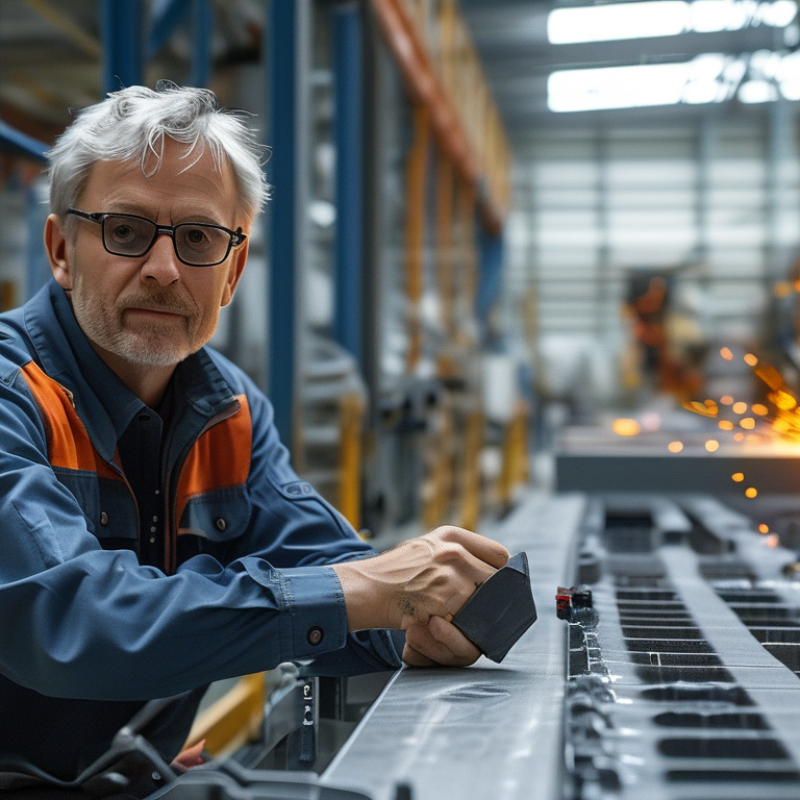
Key Trends in Additive Manufacturing for 2026
As we look towards 2026, the additive manufacturing landscape is evolving rapidly. Sustainability is becoming a central focus. Companies are seeking materials that reduce waste and lower energy consumption. The trend towards using biodegradable and recycled materials is likely to gain traction. This shift aligns with global efforts to combat climate change.
Enhanced design capabilities will also shape the industry. Designers will embrace complex geometries that were previously impossible with traditional methods. This will allow for lighter, more efficient parts. However, the challenge lies in ensuring these designs maintain structural integrity. The balance between innovation and reliability must be carefully managed.
Additionally, automation in additive manufacturing processes will be crucial. Automation can streamline production, reducing time and costs. Yet, reliance on technology raises questions regarding skill gaps in the workforce. Teams will need training to adapt to these advancements. As the industry grows, fostering talent will be just as important as technological innovation.
Impact of Sustainability on Additive Acr Trends
Sustainability is reshaping additive manufacturing trends. As global buyers prioritize eco-friendly solutions, the industry faces both challenges and opportunities. Materials made from recycled sources are gaining traction. This shift is not just a trend; it's a necessity. But sourcing sustainable materials can be complex. Companies often struggle with ensuring performance while maintaining eco-credentials.
Additive manufacturing's role in reducing waste is compelling. It allows precise production methods, minimizing excess material. However, the technology is not without flaws. Many processes still produce significant waste. This contradiction prompts a critical reflection on the industry's commitment to true sustainability. Buyers demand transparency in the materials used. They want to understand environmental impacts and lifecycle assessments.
A limited understanding of sustainability can hinder progress. There's still confusion regarding certifications and standards. A lack of unified guidelines can lead to skepticism. Companies must navigate these complexities carefully. Providing clear information and engaging in genuine practices will build trust. The future of additive manufacturing hinges on addressing these sustainability challenges effectively.
2026 Top Additive Manufacturing Trends: Impact of Sustainability
Emerging Technologies Shaping the Future of Additives
Emerging technologies are significantly redefining the landscape of additive manufacturing. According to a recent report by SmarTech Analysis, the additive materials market is expected to reach $25 billion by 2026. This growth is driven by advancements in materials science and printing techniques. Innovative approaches, such as using bio-based additives and nanoscale materials, promise enhanced properties for various applications.
In particular, the incorporation of AI and machine learning into additive processes is noteworthy. These technologies improve material efficiency and reduce production waste. Research suggests that smart automation could lower operational costs by 15-30%. Yet, potential pitfalls exist. Integrating these technologies requires careful consideration and investment. Not all companies may have the resources to adapt quickly. Understanding these limitations is crucial for anyone involved in this sector.
Sustainability is another growing concern. The drive for eco-friendly additives grows stronger. Reports indicate that 30% of industry leaders prioritize sustainability in their production processes. However, there is still a long way to go. Balancing performance and environmental impact often presents a challenge. Continuous research is needed to determine the best solutions. The future of additives is bright, but it remains a field ripe with both opportunity and uncertainty.
Market Dynamics Influencing Global Buyers' Choices
The landscape of additive manufacturing is shifting, influenced by various market dynamics. Global buyers are increasingly focused on sustainability. Many organizations are seeking eco-friendly materials and processes. This trend is not just a passing phase; it reflects a deeper commitment to reducing their carbon footprints. Buyers are now evaluating the lifecycle of products before procurement.
Another factor at play is technological advancement. Rapid developments in 3D printing are altering material choices. New materials are emerging, offering better performance and versatility. This excites buyers but also presents a challenge. They must navigate a complex landscape of options to make informed decisions. Some may feel overwhelmed by the rapid pace of change.
Cost remains a pivotal concern for global buyers. While many value innovation, budget constraints can steer decisions. Balancing quality and affordability is crucial. Buyers often find it hard to trust new materials without proven track records. As they delve into these choices, the need for reliable data and peer reviews becomes evident.
Future Opportunities and Challenges in Additive Production
The additive manufacturing landscape is poised for immense transformation by 2026. Emerging trends suggest a growing emphasis on sustainability and efficiency. According to a recent report by SmarTech Analysis, the global additive manufacturing market is expected to reach $41 billion by 2026, fuelled by advancements in materials and technologies. This surge presents numerous opportunities, yet challenges loom on the horizon.
As production scales, manufacturers face quality control issues. Maintaining consistency is difficult when using new materials. Research indicates that over 20% of additive manufacturers experience production disruptions. Rigorous testing and validation processes are essential. This will ensure that products meet the high standards of various industries, particularly in aerospace and healthcare.
Tips: Embrace a culture of continuous improvement. Regularly evaluate your production processes and materials. Seek feedback from your team to identify potential issues early. Stay informed about regulatory changes that might impact your supply chain. Adapting swiftly to these changes can create a competitive edge in the evolving additive landscape.
2026 Top Additive Acr Trends for Global Buyers Insights
| Trend | Opportunities | Challenges | Market Impact |
| Sustainable Materials | Increasing demand for eco-friendly products | Higher costs of sustainable materials | Growing market for green solutions |
| Customization | Personalized products gaining traction | Complexity in production processes | Enhanced customer satisfaction and loyalty |
| Digital Fabrication | Streamlined design-to-production workflow | Need for skilled workforce | Increased efficiency and reduced costs |
| Advanced Robotics | Automation improving production speed | High initial investment costs | Potential for significant output growth |
| Supply Chain Integration | Enhanced collaboration among stakeholders | Vulnerabilities in global supply chains | Improved responsiveness to market demands |