2026 Top Hydraulic Control Valve Trends Buyers Need to Know?
As the hydraulic industry continues to evolve, the significance of Hydraulic Control Valves cannot be overstated. Experts like Dr. Emily Tran state, “The future of hydraulic systems lies in innovative valve designs that enhance efficiency.” Her words capture the essence of current trends buyers should be aware of in 2026.
The dynamics of Hydraulic Control Valves are changing rapidly. There is a strong push towards automation and digital integration. Many manufacturers are investing heavily in smart valve technologies. With real-time monitoring capabilities, these valves can optimize performance and reduce downtime. However, navigating these innovations can be complex and overwhelming.
Buyers must evaluate their needs carefully. Not every new feature will be beneficial for all applications. Additionally, the market is flooded with options, making decision-making challenging. Buyers should prioritize reliability and industry standards. Ultimately, understanding the emerging trends in Hydraulic Control Valves is vital for making informed choices.
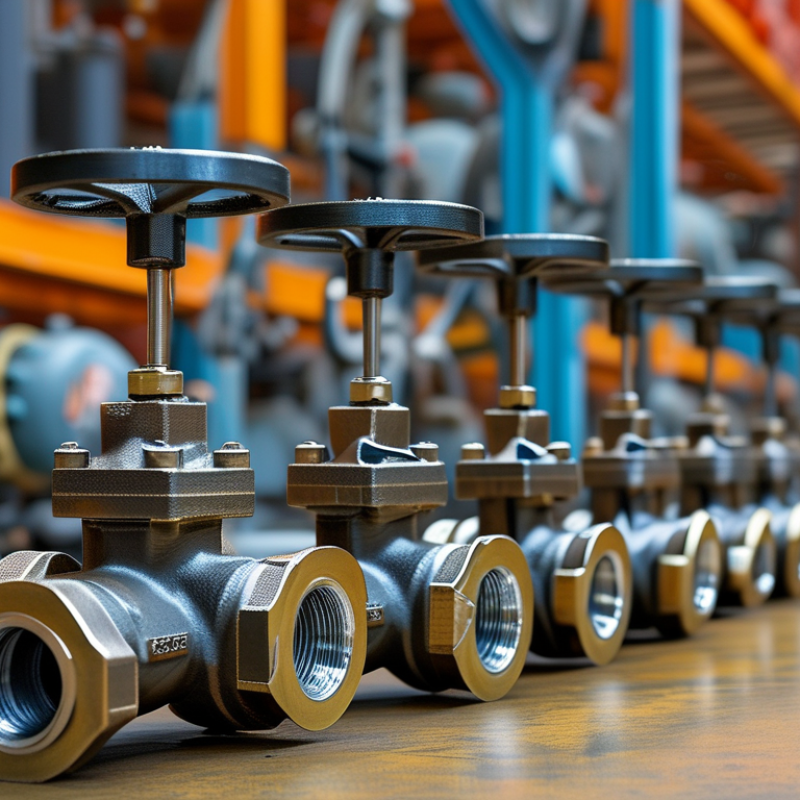
Emerging Technologies in Hydraulic Control Valve Design for 2026
As the hydraulic control valve market evolves, 2026 brings exciting technological advancements. One significant trend is the integration of IoT technology in valve design. This allows for real-time monitoring and data analytics, improving system efficiency. Operators can detect issues before they escalate, ensuring smoother machinery operations.
Another emerging trend is the development of smart materials. These materials adapt to varying pressures and temperatures, enhancing performance. For instance, valves with memory alloys can automatically adjust their shape in response to environmental changes. This innovation can lead to energy savings and increased reliability.
However, the rapid pace of technology brings challenges. Not all companies can keep up, leading to a gap between the early adopters and traditional manufacturers. Manufacturers must focus on staff training and education to harness these new innovations effectively. Continuous reflection and adaptation are necessary, as not all advancements may meet expectations.
2026 Top Hydraulic Control Valve Trends
Key Industry Players Driving Hydraulic Control Valve Innovation
Hydraulic control valves are critical in numerous industries. The ongoing innovation in this field is largely driven by key industry players. These players invest heavily in technology and research. They focus on improving the efficiency and reliability of hydraulic systems.
A major trend is the shift towards IoT-enabled hydraulic control valves. This integration allows for real-time monitoring and better performance optimization. Some companies explore advanced materials for durability. Lightweight materials can enhance the functionality of hydraulic systems, yet the balance between weight and strength remains a challenge.
Sustainability is also a top priority for many industry leaders. They develop eco-friendly solutions and strive for energy-efficient designs. However, the path to sustainable innovation is complex and requires thoughtful development. Many companies may struggle to meet these expectations while maintaining product quality. The landscape of hydraulic control valves is evolving rapidly, influenced by these industry dynamics and challenges.
2026 Top Hydraulic Control Valve Trends Buyers Need to Know
| Trend |
Description |
Impact |
Expected Growth Rate (%) |
| Smart Valve Technology |
Integration of IoT for real-time monitoring and control |
Enhanced efficiency and predictive maintenance |
20% |
| Sustainable Materials |
Use of eco-friendly materials in valve production |
Reduced environmental impact |
15% |
| Miniaturization |
Development of smaller, more efficient valve designs |
Space-saving solutions for machinery |
10% |
| Advanced Sealing Technologies |
Improved sealing methods to prevent leaks |
Increased reliability and safety |
12% |
| Customization |
Tailored solutions for specific industry requirements |
Greater customer satisfaction |
18% |
Sustainability Trends Impacting Hydraulic Control Valve Manufacturing
The demand for hydraulic control valves is evolving rapidly, driven by sustainability trends. The global push for environmentally friendly manufacturing processes is transforming the industry. A report from the Hydraulic Institute highlights that approximately 40% of hydraulic systems can reduce energy consumption by implementing sustainable practices. This shift is compelling manufacturers to rethink their material choices and production methods.
Recycled materials are increasingly being utilized in valve production. Studies indicate that using recycled metals can reduce carbon emissions by up to 30%. While this is a positive trend, challenges remain. Not all recycled materials meet high-performance standards. Some manufacturers struggle to maintain quality while being eco-friendly. The balance between sustainability and product reliability is a growing concern.
Adopting green technology is also critical. Advanced manufacturing techniques, like additive manufacturing, can reduce waste significantly. However, not all companies are prepared for this transition. Investment costs and the need for skilled labor can hinder progress. The hesitancy to adopt these methods reflects a broader hesitation in the industry to fully embrace change. The hydraulic control valve market is at a crossroads. Balancing sustainability with functionality will shape its future significantly.
Advanced Materials Enhancing Hydraulic Control Valve Performance
The evolution of hydraulic control valves is significantly influenced by advanced materials. These materials enhance performance, improve efficiency, and extend lifespan. Recent industry reports indicate that the demand for lightweight, corrosion-resistant materials is growing. For instance, the global hydraulic valve market is expected to reach $11 billion by 2026, reflecting the increasing need for durable solutions.
Innovative composites, such as carbon-fiber reinforced polymers, are being utilized to produce more resilient valve components. These materials offer high strength and lower weight, which leads to better energy efficiency. Additionally, the use of special coatings can enhance resistance against wear and tear. A study revealed that using advanced materials can increase the lifespan of hydraulic valves by up to 30%.
To make informed decisions, buyers should consider the environment in which these components operate. Operating conditions can significantly impact the performance of materials. Evaluating factors like temperature, pressure, and exposure to chemicals is essential. This understanding helps in selecting the right materials for specific applications. Regular maintenance routines also play a role in ensuring optimal functionality over time. Investing in quality materials alongside proper maintenance can lead to long-term savings and improved operational efficiency.
Market Forecast: Demand and Pricing Trends for Hydraulic Control Valves in 2026
The hydraulic control valve market is set to experience significant shifts by 2026. Demand is expected to increase due to advancements in automation and the rise of eco-friendly machinery. As industries prioritize efficiency, hydraulic control valves will play a vital role in system optimization. Emerging technologies will likely pave the way for innovative valve designs.
Pricing trends are influenced by several factors, including raw material costs and supply chain dynamics. Buyers should prepare for potential fluctuations in pricing as manufacturers adjust to market demands. Staying informed about the latest industry developments and understanding supplier capabilities will be crucial.
One tip for buyers is to focus on the long-term value rather than just upfront costs. Investing in a high-quality valve can lead to significant savings on maintenance and energy consumption. Evaluating the lifetime performance of hydraulic control valves can be a smart strategy. It's essential to consider quality certifications when selecting suppliers. Be wary of overly cheap options; they might lead to more issues down the line. Researching manufacturers' backgrounds can help ensure a reliable purchase.