
1-208-754-4884

2026 Top Throttle Pedal Sensor Types for Global Buyers?

Choosing the right Throttle Pedal Sensor in 2026 is no longer a simple catalog decision. Global buyers must compare sensing technology, redundancy, connector design, diagnostics, and long-term supply stability. A sensor may look identical in a photograph, yet behave differently under heat, vibration, dust, or repeated pedal movement.

Automotive human-factors expert Dr. Paul Green has expressed a useful principle: “The best vehicle interface is the one the driver never has to think about.” That idea applies directly to pedal sensing. Hall-effect and other non-contact designs can reduce mechanical wear, while potentiometric sensors may remain attractive for cost-sensitive applications. Dual-track output is also important. It gives the control system a second signal for plausibility checks and fault detection. Small details matter. A loose terminal can create intermittent readings. A poorly sealed housing may fail after months of road spray.

This guide examines the leading Throttle Pedal Sensor types expected to serve passenger cars, commercial vehicles, electric platforms, and industrial equipment in 2026. It considers real purchasing concerns, including voltage ranges, signal protocols, operating temperature, response consistency, calibration, and supplier documentation. Buyers should not assume that the newest design is automatically the best one. That assumption can be expensive. Application data, sample testing, and traceable quality records deserve equal attention. Some specifications still appear unclear across suppliers, so careful verification remains necessary.
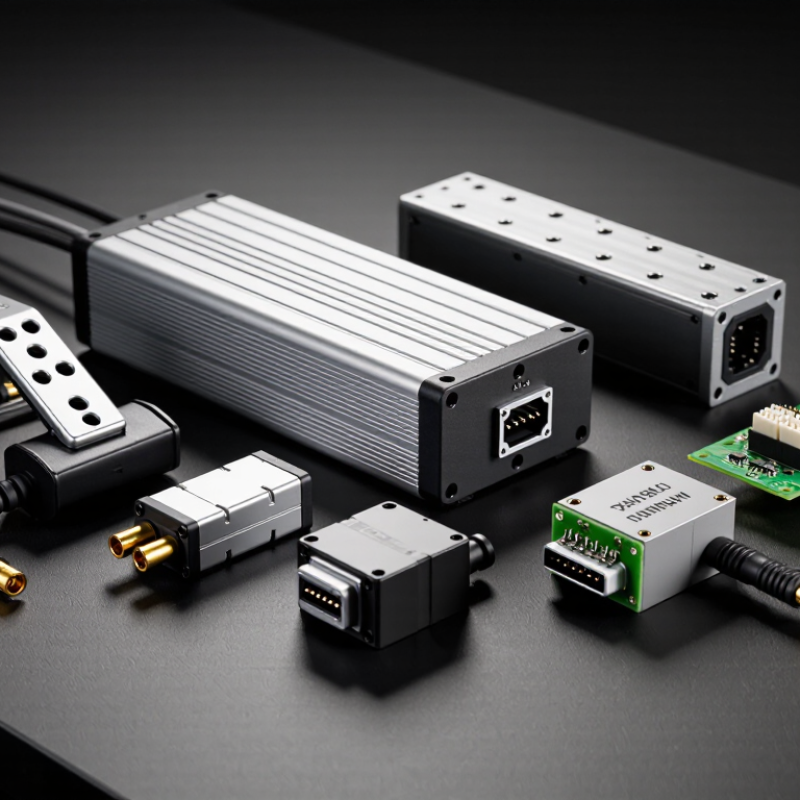
2026 Top Throttle Pedal Sensor Types for Global Buyers?

What Is a Throttle Pedal Sensor and Why Does It Matter?

A throttle pedal sensor converts the driver’s foot movement into an electronic signal for the engine control system. It does not control power alone. It also influences response, fuel delivery, cruise control, and safety diagnostics. Common designs include potentiometric sensors, Hall-effect sensors, and dual-channel pedal modules. Potentiometric units are cost-effective, but contact wear can develop after years of repeated movement. Hall-effect designs avoid direct electrical contact. They usually offer stronger durability, though calibration remains critical.

According to the MarketsandMarkets Automotive Sensors Market report, the global automotive sensor sector was projected to grow from about USD 25 billion in 2023 to more than USD 40 billion by 2028. This growth reflects greater electronic control across passenger and commercial vehicles. A throttle pedal sensor is small, but its signal affects a large control network. Most modern modules use two independent signal channels. The controller compares them continuously. A disagreement can trigger limited-power operation.

For global buyers, sensor type is only one purchasing factor. Check voltage range, signal direction, connector sealing, temperature performance, and diagnostic compatibility. ISO 26262 guidance also makes fault detection and signal plausibility important during design reviews. In practical testing, I would inspect pedal return force and cold-start behavior, not only bench readings. A clean datasheet is not proof. Supplier traceability matters, too. Some low-cost units perform well initially, yet their long-term drift is poorly documented. That uncertainty deserves attention.

Which Throttle Pedal Sensor Types Are Available in 2026?

Throttle pedal sensors available in 2026 generally fall into five practical types: potentiometric, Hall-effect, inductive, optical, and dual-channel assemblies. Potentiometric sensors use a contact track and remain cost-effective for many conventional vehicles. Hall-effect sensors measure magnetic changes without physical contact. They usually offer smoother operation and better wear resistance. Inductive designs also avoid contact, making them suitable for demanding thermal and vibration conditions. Optical versions provide precise movement detection, but contamination control requires careful engineering.

Dual-channel sensors are increasingly common in electronic throttle systems. They provide two independent position signals for plausibility checking and fault detection. The IEA’s Global EV Outlook 2025 reported more than 17 million electric cars sold worldwide in 2024. That growth increases demand for compact, redundant, and low-maintenance pedal modules. MarketsandMarkets’ automotive sensors research also identifies position sensing as a core category across passenger vehicles, commercial vehicles, and electric platforms. Report classifications differ, however. Buyers should compare the technical definitions behind each forecast.

In real procurement, output type matters as much as sensor technology. Common interfaces include analog voltage, PWM, and digital communication. Check supply voltage, signal redundancy, operating temperature, connector sealing, and mechanical travel. A pedal may feel smooth on a test bench yet respond poorly after installation. That is easy to overlook. My practical concern is calibration drift under heat, dust, and repeated foot pressure. A reliable supplier should provide test curves, end-of-line inspection records, and failure-mode data. Cost alone is a weak filter.

How Do Major Sensor Technologies Compare in Performance?

For global buyers, throttle pedal sensor selection should begin with signal behavior, not catalogue price. The main options are contact potentiometric, Hall-effect, and inductive designs.

Contact Potentiometric

Potentiometric sensors use a moving track and wiper. They are familiar, economical, and easy to diagnose. Their weakness is mechanical wear. Dust, vibration, and repeated pedal travel can create signal noise. That noise may appear as hesitation during slow acceleration.

Hall-Effect Sensors

Hall-effect sensors measure magnetic-field changes without physical contact. This removes track wear and supports long service intervals. Their output usually stays stable across frequent pedal cycles. However, magnets and electronics need careful protection from heat and electromagnetic interference.

Inductive sensors also avoid contact, using changes in an electromagnetic field. They can perform well in harsh environments, but system design is often more complex. Calibration quality matters more than many purchasing teams expect.

During comparison, check dual-channel agreement, response time, temperature drift, connector sealing, and diagnostic coverage.

A sensor may respond quickly on a bench yet behave differently beside a hot engine bay. That is where specifications can mislead. Potentiometric units may win on cost, while Hall or inductive units can reduce wear-related maintenance.

A common mistake is judging reliability from one laboratory test. Request traceable results from vibration, thermal cycling, moisture, and electromagnetic testing. Also examine failure signals, because a clean shutdown response matters as much as normal accuracy.

What Should Global Buyers Check Before Choosing a Sensor?

2026 Top Throttle Pedal Sensor Types for Global Buyers?

Global buyers should evaluate more than sensor type and unit price. The right choice depends on signal stability, vehicle architecture, climate, and service support. Potentiometric sensors remain cost-effective, but their sliding contacts can wear in dusty environments. Hall-effect and inductive sensors offer contactless operation, often improving durability and repeatability. OICA reported 93.5 million motor vehicles produced globally in 2023. That scale makes cross-market compatibility essential.

Check the output range, connector pinout, calibration method, and dual-channel agreement before approval. A sensor may provide two signals, yet their voltage relationship can differ between vehicle platforms. Confirm response time, operating temperature, vibration resistance, and electromagnetic immunity through documented test results. The WHO Global Status Report on Road Safety 2023 records about 1.19 million annual road deaths. Pedal-position accuracy cannot be treated as a minor specification. Ask for traceable quality records, failure-rate data, and end-of-line inspection procedures.

Do not trust a perfect bench result. Real roads are harsher. Test cold starts, heat soak, moisture exposure, and repeated pedal movement. A practical buyer should also verify replacement availability across target regions. Software diagnostics matter, too. Fault codes must identify signal disagreement clearly. I would challenge any supplier offering only a headline accuracy figure. It may hide connector errors, calibration drift, or weak field support. The most expensive mistake is often selecting a sensor that fits electrically but fails operationally.

2026 Top Throttle Pedal Sensor Types for Global Buyers? - What Should Global Buyers Check Before Choosing a Sensor?
Sensor Type Operating Principle Typical Output Typical Supply Voltage Key Advantages Common Limitations Typical Applications What Global Buyers Should Check Relative Cost Level
Potentiometric Position Sensor A mechanical wiper moves across a resistive track to produce a voltage proportional to pedal or throttle position. Analog ratiometric voltage, commonly about 0.5–4.5 V across the usable operating range. Commonly 5 V reference; the exact range depends on the vehicle control system. Simple signal Mature technology Low initial cost Mechanical wear, contact noise, contamination sensitivity, and possible signal dropouts over service life. Conventional accelerator pedals, throttle position feedback, industrial control pedals, and legacy vehicle platforms. Track material, rated cycle life, contact resistance, output linearity, return-spring design, sealing level, and end-of-life signal behavior. Low to medium
Hall-Effect Contactless Sensor A magnetic field changes as a magnet rotates or moves relative to a Hall sensing element, with no electrical sliding contact. Analog ratiometric output or digital position signal; 0.5–4.5 V is common for analog automotive interfaces. Usually 5 V in automotive systems; some designs support wider low-voltage ranges. No sliding contact Long service life Low wear Requires magnetic and mechanical alignment; performance can be affected by magnetic design, stray fields, and temperature. Modern accelerator pedal modules, electronic throttle systems, hybrid vehicles, electric vehicles, and safety-critical position sensing. Magnet tolerance, air-gap control, temperature drift, electromagnetic compatibility, output diagnostics, redundancy, and calibration stability. Medium
Dual-Track Redundant Sensor Two independent sensing tracks measure the same pedal movement and provide correlated but intentionally different signals. Two analog channels, often with different slopes or voltage windows, such as approximately 0.5–4.5 V and 0.25–2.25 V; values are system-specific. Commonly 5 V reference for each channel. Fault detection Functional safety support Continuous plausibility checking Higher component count, more complex calibration, and stricter requirements for channel matching. Automotive accelerator pedal modules and electronic throttle controls where unintended acceleration detection is required. Channel correlation limits, independent power and ground paths, diagnostic coverage, failure-mode behavior, connector pinout, and functional-safety documentation. Medium to high
Triple-Track Redundant Sensor Three sensing channels monitor pedal position to improve fault detection and system availability in demanding control architectures. Three analog or mixed analog/digital channels; voltage windows and relationships are defined by the vehicle control unit. Often based on a 5 V reference, with channel-specific electrical requirements. High diagnostic coverage Enhanced fault tolerance Suitable for critical controls Higher cost, larger data set for validation, more complex wiring, and increased calibration effort. Selected safety-critical vehicle platforms, specialized machinery, and applications requiring additional monitoring channels. Independence of channels, common-cause failure controls, plausibility algorithms, fault reaction time, EMC testing, and compliance evidence. High
Inductive Position Sensor Position is detected through changes in inductive coupling or impedance without relying on a physical electrical contact. Analog or digitally processed output, depending on the sensing electronics and control architecture. Application-dependent; automotive designs may use regulated low-voltage supplies. Contactless operation Good contamination tolerance Robust sensing concept More complex electronics and signal processing; performance depends on coil, target, and package design. Specialized automotive controls, industrial pedals, off-highway equipment, and applications exposed to dust or moisture. Target geometry, electromagnetic compatibility, temperature range, resolution, supply-current limits, calibration, and immunity to nearby metal components. Medium to high
Digital Position Sensor An internal sensing element and signal-conditioning circuit convert position into a digital interface or pulse-based output. PWM, SENT, CAN-based, switching, or other digital output depending on the system architecture. Interface-dependent; commonly low-voltage regulated automotive supplies. Noise-resistant data transfer Diagnostic data Flexible signal processing Requires compatible control-unit software and interface hardware; configuration and cybersecurity considerations may apply. New-generation vehicle control systems, electric powertrains, industrial automation, and electronically managed machinery. Protocol version, timing accuracy, message or pulse format, error handling, start-up behavior, software compatibility, EMC performance, and cybersecurity requirements. Medium to high
Integrated Accelerator Pedal Module A complete pedal assembly combines the pedal arm, return springs, mechanical stops, housing, and one or more position sensors. Usually dual or triple redundant analog or digital channels supplied as a calibrated module. Typically designed around a 5 V automotive reference, subject to the vehicle electrical architecture. Ready-to-install assembly Matched mechanics and sensor Simplified vehicle integration Less flexibility for replacement, larger package, and higher logistics cost than a standalone sensing element. Passenger vehicles, commercial vehicles, buses, electric vehicles, agricultural equipment, and construction machinery. Mounting dimensions, pedal travel, force curve, connector position, return-force requirements, mechanical stops, ingress protection, vibration, and vehicle-level calibration. Medium to high
Buyer note: Voltage ranges, channel relationships, connector assignments, accuracy, and environmental ratings are application-specific. Before approval, verify the original equipment specification, electrical interface, mechanical envelope, functional-safety requirements, EMC performance, temperature range, ingress protection, validation reports, traceability, and applicable regional regulations.

How Are Market Trends Shaping Future Throttle Pedal Sensors?

Market trends are reshaping throttle pedal sensors beyond simple position measurement. Global buyers now request contactless Hall-effect and inductive designs for longer service life. These sensors tolerate dust, vibration, and repeated pedal movement better than many mechanical alternatives.

Dual-channel output is becoming common in safety-focused vehicle platforms. It allows the control system to compare signals continuously. The shift is practical. Electric vehicles also demand faster response, lower power consumption, and tighter diagnostic accuracy.

Vehicle makers increasingly prefer modular sensors that fit different pedal assemblies. This reduces redesign costs across regional production lines. However, suppliers must balance compact packaging with thermal stability. A sensor near the footwell may face moisture, salt, and temperatures above 85°C.

Field evaluations should include connector corrosion tests and millions of pedal cycles. Laboratory results can look excellent, yet installation tolerances may change performance. That assumption fails. Future products will likely include stronger self-diagnostics, clearer calibration data, and improved cybersecurity controls. Sustainable materials may gain attention, although recyclability claims still need practical evidence. Buyers should examine failure records, test methods, and technical support before selecting a sensor type. Specification sheets alone are not enough.