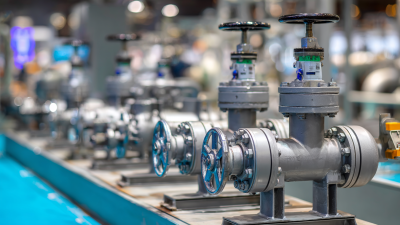
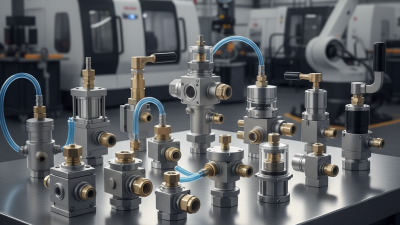
7 Best Hydraulic Elevator Valves for Global Buyers?
Choosing the 7 Best Hydraulic Elevator Valves for Global Buyers? requires more than comparing prices or port sizes. Hydraulic Elevator Valves control landing accuracy, ride comfort, emergency stopping, and energy use. A small spool defect can create a noticeable jerk at the lobby.
Industry data adds useful context. Fortune Business Insights valued the global elevator market at approximately USD 88 billion in 2023. Its report forecasts continued growth through 2032, driven by urban construction, modernization, and accessibility requirements. Grand View Research also identifies modernization as a major market opportunity. However, these reports rarely separate hydraulic valve revenue. That limitation matters.
The best valve is not always the most expensive.
Dr. Albert So, a recognized elevator-safety specialist, has stated, “The elevator is the safest form of transportation.” His observation is broader than valve selection, but it sets the correct standard. Safety must come before marketing language.
This guide compares seven valve options through practical criteria: pressure stability, flow control, emergency lowering, contamination tolerance, service access, certification support, and supplier reliability. It also considers ASME A17.1/CSA B44 and ISO 8100-1 requirements, where applicable. Regional approval remains the buyer’s responsibility.
Some product claims need closer inspection. “Low noise” may depend on oil temperature, pump condition, and installation quality. “Universal compatibility” can be misleading. A valve that performs well in a warm European machine room may respond differently in a dusty tropical shaft.
The shortlist is useful, not perfect. Buyers should verify test reports, pressure ratings, spare-part availability, and local technician experience before ordering. That final check often prevents the most expensive mistake.
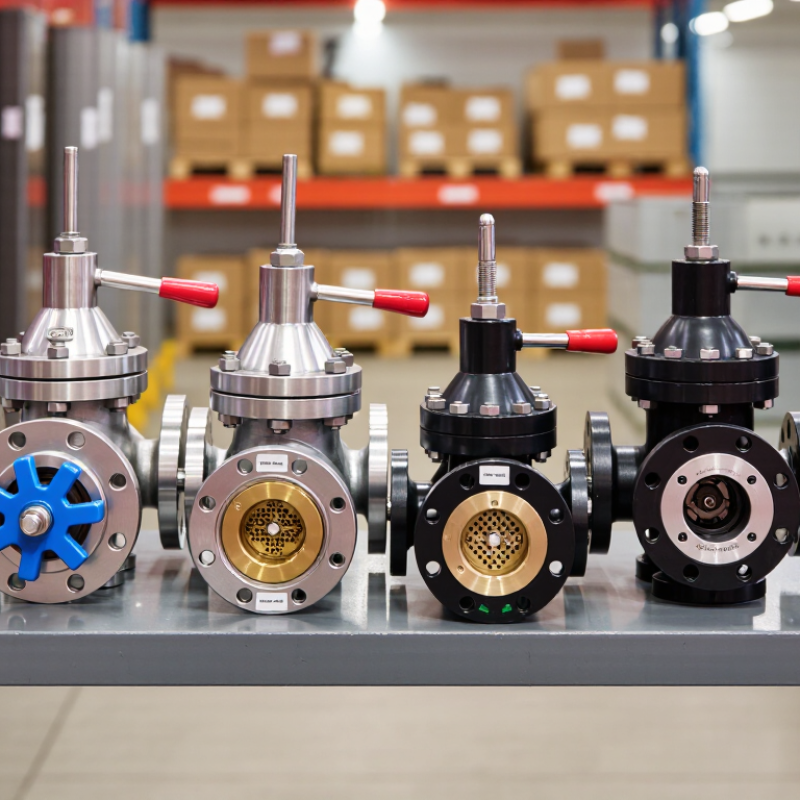
How Hydraulic Elevator Valves Control Lifting and Lowering
Hydraulic elevator valves control how oil enters and leaves the lifting cylinder. During an upward trip, the pump pushes oil through a check valve into the cylinder. The car rises as pressure builds beneath the piston. A flow control valve limits oil speed, preventing sudden starts and uncomfortable movement. The main control valve must respond smoothly, even when passenger weight changes.
During descent, the valve opens a return path from the cylinder to the tank. Oil then flows back through a calibrated lowering passage. A solenoid or pilot circuit controls this opening. Smaller passages create slower movement, while wider passages allow faster lowering. A pressure relief valve protects the system when pressure becomes excessive. A shutoff valve supports maintenance, and a rupture valve can restrict uncontrolled oil loss.
For global buyers, seven valve functions deserve close inspection: main control, check, relief, lowering, flow control, shutoff, and rupture protection. The best choice depends on cylinder size, rated load, oil temperature, control voltage, and installation conditions. Confirm response time, pressure range, leakage limits, and replacement availability before purchase. Local elevator requirements still matter.
Field checks often reveal small problems first. A dirty filter may cause delayed leveling. Air in the oil can create a soft, uneven stop. A valve may pass factory tests yet perform poorly after transport or incorrect adjustment. That detail is easy to underestimate. Clear manuals, traceable testing, and trained installation support are practical signs of a dependable supplier.
Key Criteria for Comparing Hydraulic Elevator Valves Worldwide
When comparing the seven best hydraulic elevator valves, global buyers should examine performance before price. A suitable valve must match the elevator’s load, speed, cylinder size, and working pressure. Pressure ratings should include a practical safety margin. Not just the advertised maximum.
Flow control, check, relief, lowering, burst, solenoid, and emergency valves each serve different functions. Their response should remain stable during starting, stopping, and sudden load changes. Test the valve with the actual hydraulic oil specification. Oil viscosity can change noticeably between cold mornings and hot machine rooms.
Installation conditions also matter worldwide. Buyers should verify thread standards, port dimensions, voltage, sealing materials, and control compatibility. A valve designed for one regional system may require adapters elsewhere. That adds risk. Request factory test records, pressure-cycle data, material details, and traceable serial numbers. Independent certification can improve confidence, but documents must match the exact model supplied.
Field technicians should check noise, drift, leakage, and emergency lowering behavior after installation. A valve may perform well on a test bench yet react poorly in a dusty shaft. Maintenance access deserves equal attention. Replaceable seals and clear adjustment markings can reduce downtime. I would not choose the cheapest option automatically. However, I would also question expensive valves without stronger evidence. Regional service support, spare-part availability, and realistic delivery times often decide long-term value. Pricing alone is an incomplete comparison.
Seven Hydraulic Elevator Valve Options and Their Best Uses
7 Best Hydraulic Elevator Valves for Global Buyers
Seven Hydraulic Elevator Valve Options and Their Best Uses
Hydraulic elevator valves shape movement, stopping accuracy, safety, and maintenance demands. The best choice depends on load, travel height, speed, and local codes. A single-speed control valve suits low-rise lifts with simple operating requirements. A two-speed valve fits passenger elevators needing faster travel and gentler leveling. Soft-start and soft-stop valves reduce jolts in hotels, offices, and residential buildings. Flow-control valves help technicians adjust upward and downward speeds for changing loads. Check valves hold the platform securely during rest periods. Emergency lowering valves provide controlled descent during power interruptions. Rupture valves restrict sudden oil loss after hose failure. Each option serves a different duty.
Tips: Check oil compatibility, pressure range, temperature limits, and connection size before purchasing. Request tested performance data, installation instructions, and traceable quality records. Qualified technicians should install and verify every safety-related valve. Field checks often reveal problems that catalogs miss. A valve may fit physically but respond poorly under real load. That detail deserves attention.
Global buyers should compare response time, sealing quality, service access, and spare-part availability. Independent inspection can confirm pressure stability and emergency performance. Avoid choosing only by price. Cheaper valves may create rough leveling, noise, or repeated adjustments. In practice, even experienced teams can overlook oil temperature effects. Test the complete system after installation, not just the valve itself. Supplier documentation should support safe maintenance across the elevator’s expected service life.
Matching Valve Features to Elevator Load, Speed, and System Design
Choosing among the 7 best hydraulic elevator valves requires matching the valve to load, speed, and system layout. A 1,000-kilogram passenger lift needs different flow control than a compact 450-kilogram service lift. Rated load sets the required oil volume, while speed determines how quickly the valve must respond. For many low-rise hydraulic lifts, typical travel speeds range from 0.15 to 0.76 m/s, according to technical guidance summarized in the ASME A17.1/CSA B44 framework.
System design matters just as much. A direct-acting cylinder usually needs stable lowering control and dependable rupture protection. A roped hydraulic arrangement may require tighter coordination between acceleration, re-levelling, and pressure compensation. ISO 25745-2 provides the industry framework for measuring elevator energy performance, making bypass leakage and unnecessary pump cycling important selection concerns. A valve with adjustable acceleration can reduce passenger discomfort, especially during cold starts.
Field experience suggests checking viscosity limits, emergency lowering behavior, coil voltage, and service access before comparing catalog features. Small details matter. A narrow return passage can create heat and noise. Incorrect relief-pressure settings may cause repeated stops. I still see projects choosing valves by rated tonnage alone, which is convenient but incomplete. Oil temperature, cylinder size, traffic pattern, and controller compatibility can change the result. Hydraulic valve selection is not perfectly predictable, so commissioning measurements should challenge the original calculation.
Global Buying Checks for Compatibility, Quality, and Support
7 Best Hydraulic Elevator Valves for Global Buyers?
Global buyers should compare hydraulic elevator valves by system compatibility, not price alone. Suitable options may include integrated control valves, flow-control valves, check valves, relief valves, solenoid valves, emergency-lowering valves, and rupture valves. Each type serves a different safety or movement function. Confirm the required flow rate, working pressure, cylinder design, oil type, and port size. A valve that fits the pipe may still respond poorly under load.
Small details matter.
Check the coil voltage and frequency before ordering. A 24-volt coil cannot replace a 110-volt unit without proper system changes. Ask for pressure-test records, leakage limits, seal materials, and batch traceability. Reliable suppliers should provide dimensional drawings, installation instructions, adjustment procedures, and conformity documents for the destination market. Surface finish also deserves attention; rough internal passages can create noise, heat, or unstable leveling.
Support often decides whether a purchase succeeds. Request spare seals, replacement coils, calibration guidance, and realistic delivery times. Confirm whether technical help covers different time zones. In field work, vague manuals waste hours. I have seen buyers select a technically capable valve but overlook local service capacity. That was an avoidable mistake. Another concern is assuming every “universal” valve is truly universal. Test samples under the actual oil temperature and load conditions when possible. Supplier claims need verification.