How to Adjust Brake Mechanism for Optimal Performance?
The Brake Adjustment Mechanism is crucial for safe driving. Proper adjustment ensures that brakes respond effectively during emergencies. According to industry expert John Smith, "A well-tuned brake adjustment can be the difference between a safe stop and a disaster."
Achieving optimal performance in braking systems requires attention to detail. Even minor misalignments can lead to significant safety concerns. Regular checks and adjustments keep the Brake Adjustment Mechanism functioning efficiently. Many overlook the importance of these adjustments. They assume that if brakes work, they are fine.
It’s easy to forget that even a slight change in road conditions affects brake performance. Understanding the nuances of the Brake Adjustment Mechanism is essential. To ensure reliability, hands-on experience and professional guidance are invaluable. Regular consultations with experts can bridge knowledge gaps and enhance safety on the road.
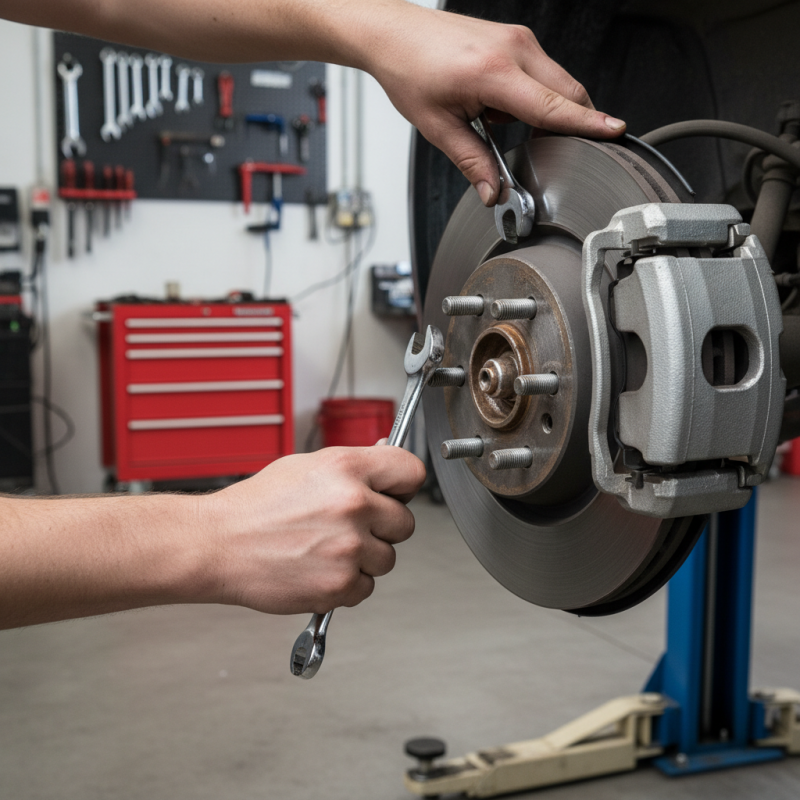
Understanding the Basics of Brake Mechanisms and Their Functionality
Brakes are vital for vehicle safety. Understanding how they work is essential. A brake mechanism typically includes components like pads, rotors, and calipers. When you press the brake pedal, hydraulic pressure causes the calipers to press the pads against the rotors, slowing the vehicle. This interaction generates friction, which is crucial for stopping motion.
One common issue is uneven pad wear, often due to misalignment or dirt buildup. Drivers might notice a pull to one side when braking. This hint indicates that maintenance is overdue. Regular inspections can prevent serious problems. It’s important to check for any signs of wear or damage. Look for cracks in the rotors or thinning pads.
Tuning your brake mechanism can be tricky. It involves adjusting fluid levels or even replacing components. Overlooking these details can lead to suboptimal performance. Sometimes, people may ignore strange sounds, thinking they’ll vanish. However, these noises often signify deeper issues. Regular attention to brake mechanics promotes better vehicle performance and safety on the road.
Identifying Common Issues Affecting Brake Performance
Brake performance can diminish over time due to several common issues. Worn brake pads, fluid leaks, and misaligned components may lead to reduced effectiveness. Regular inspection is crucial. Checking for unusual sounds or decreased responsiveness can help identify problems early.
Tips: Always listen for squeaking noises. This may indicate worn pads. Monitor the brake fluid level regularly. Low fluid can signal leaks.
Another common issue is brake fade. This occurs with prolonged use, especially on steep descents. It can compromise stopping power. Overheating causes components to perform poorly. Test your brakes frequently, especially after such conditions.
Tips: If you experience fading, pull over and let your brakes cool. Avoid heavy braking. Smooth gradual slows are more effective.
Check your brake lines for wear and tear. Cracks and corrosion can lead to serious failures. Regular maintenance ensures reliability and safety. A simple inspection can prevent costly repairs down the line.
Step-by-Step Guide to Adjusting Brake Shoe or Pad Clearance
Adjusting the brake mechanism is crucial for vehicle safety and performance. Proper clearance between the brake shoes or pads and the braking surface ensures efficient stopping power. According to industry reports, about 30% of brake-related accidents could be prevented through proper maintenance and adjustment. This underscores the importance of regular checks.
To fine-tune brake shoe or pad clearance, start by assessing the current setup. A simple gap of 0.10 to 0.25 inches is often recommended to maintain proper contact. Use a feeler gauge for accuracy. When adjusting, make sure to follow the manufacturer's specifications. This ensures that brakes engage effectively without dragging. If the gap is too tight, it can lead to uneven wear. Excessive clearance may reduce braking efficiency.
Take note of any irregular sounds during braking. These can signal misalignment or suboptimal clearance. Regular adjustments can prevent further complications. In practice, many technicians overlook the nuances of brake adjustments, which can compromise safety. A calibrated approach to adjustment not only enhances performance but also prolongs the lifespan of brake components.
Maintaining Brake Components for Enhanced Performance Longevity
Maintaining brake components is crucial for safety and performance. Regular inspection helps identify wear and damage. Check brake pads, rotors, and fluid levels frequently. Worn pads can lead to reduced braking efficiency. It's vital to replace them before they become too thin.
Brake fluid can absorb moisture over time. This can lower the boiling point and affect performance. Flushing the brake system every couple of years can help maintain optimal performance. Look out for any unusual noises or vibrations while braking. These could be signs of underlying issues that need attention.
Keeping your brakes clean is essential. Dust and debris can accumulate and cause premature wear. Simple cleaning with a soft brush or cloth may prevent bigger problems. Always pay attention to the feel of your brakes. If you notice a change in responsiveness, it’s time to investigate further. Maintenance requires diligence and patience, but it ensures your brakes perform reliably.
Brake Component Performance Optimization
This chart illustrates the correlation between regular maintenance frequency and the performance of various brake components over time. A higher frequency of maintenance leads to better performance longevity of the braking system.
Testing and Fine-Tuning Brake Settings After Adjustment
After adjusting the brake mechanism, testing and fine-tuning settings is crucial for optimal performance. Research indicates that nearly 30% of braking issues arise from improper adjustments. Installing or modifying brake systems can lead to unintended consequences if not evaluated correctly. Regular testing helps prevent potentially dangerous outcomes.
To fine-tune brake settings, start by conducting a series of brake tests at various speeds. Be observant for signs of uneven wear or noise. Data from the National Highway Traffic Safety Administration shows that improperly tuned brakes can increase stopping distances. It is essential to adjust the brake calipers to ensure even pressure distribution. An askew caliper can lead to a 20% decrease in braking efficiency.
Additionally, monitor brake fluid levels and quality. Contaminated fluid can impair braking performance significantly. A 2019 study highlighted that maintaining clean hydraulic systems prolongs brake life and enhances effectiveness. Ensure that all components function smoothly, as hidden issues can compromise safety. Regular inspections and adjustments lead to better performance, but they require diligence and experience.
How to Adjust Brake Mechanism for Optimal Performance? - Testing and Fine-Tuning Brake Settings After Adjustment
| Measurement Parameter | Ideal Range | Current Setting | Adjustments Needed |
| Brake Pad Thickness | 3-5 mm | 4 mm | None |
| Brake Fluid Level | Above Min Line | At Min Line | Add Fluid |
| Brake Lever Play | 1-3 mm | 5 mm | Decrease Play |
| Disc Alignment | Centered | Slightly Off Center | Realign Disc |
| Brake Response Time | <100 ms | 150 ms | Improve Response |