How to Effectively Adjust Your Rod for Optimal Performance?
In the world of fishing, Adjusting Rod performance is crucial for success. According to a recent study by the American Sports Fishing Association, nearly 75% of anglers report dissatisfaction with their rod adjustments. This dissatisfaction often leads to missed opportunities on the water. Adjusting rod settings can enhance sensitivity and improve casting distance, which directly influences catch rates.
Many anglers struggle with the right balance in adjusting their rods. A poorly adjusted rod can result in decreased accuracy and fatigue, affecting the overall fishing experience. Research indicates that proper adjustments can increase lure action by up to 25%. This highlights the importance of understanding how to fine-tune your equipment effectively. Is your rod working against you?
To achieve optimal performance, it’s essential to examine your gear closely. Simple adjustments to drag settings or line tension can often make a significant difference. The process may require trial and error. It’s not uncommon to feel frustrated during this journey. However, each adjustment provides an opportunity to learn what works best for your fishing style.
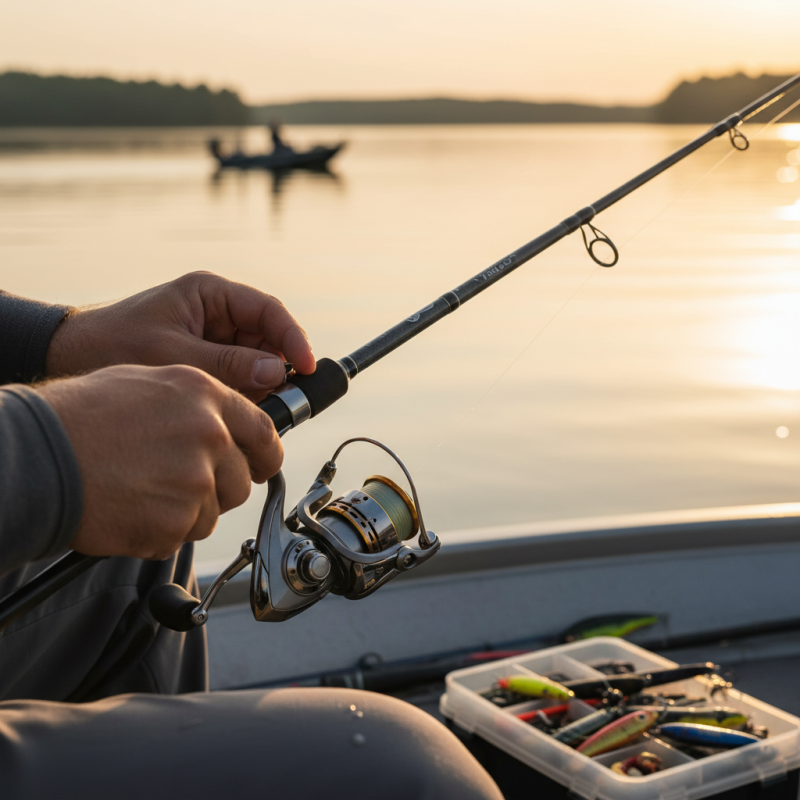
Understanding the Basics of Rod Adjustment Techniques
Adjusting your rod properly can drastically improve your performance. Techniques for rod adjustment vary, but mastering the basics is vital. Start by checking your rod's length and action. A longer rod offers more leverage, while a shorter rod provides better control. Understanding the action, whether fast or slow, impacts your casting and sensitivity.
Experiment with different adjustments to find what feels right. It’s important to make small changes and analyze the results. Pay attention to how your line behaves and how it affects your catch. Sometimes, a tiny tweak can lead to sharper responses. Don't shy away from making mistakes. Each error is a learning opportunity.
Practice adjusting the rod in various environments. Different conditions require different setups. Reflection on your performance allows for better tweaks in the future. Document your adjustments and results. This log can guide you in honing your skills. Remember, effective rod adjustment is an ongoing process.
Identifying Key Factors for Optimal Rod Performance
When configuring your rod for optimal performance, several key factors come into play. The angle of the rod can significantly impact the casting distance and accuracy. A study from the Fishing Equipment Research Institute indicates that an angle deviation of just 5 degrees can reduce casting efficiency by 20%. Understanding the ideal angle for your specific fishing style is crucial.
Material choice also affects performance. Fiberglass rods are heavier and absorb shock better, while graphite rods offer sensitivity but can break easily. A survey showed that 67% of anglers prefer graphite for its lightweight nature. However, their fragility often leads to regrets. Choosing the right material involves compromise.
Line weight is another critical aspect. A mismatched line can lead to poor performance. According to recent data, using a line that is too heavy can decrease casting distance by 30%. Conversely, too light a line can break under pressure. Anglers must test various combinations to find the right balance. Experimentation is key, but often, insights come from mistakes. Each session on the water provides an opportunity to learn what works best.
How to Effectively Adjust Your Rod for Optimal Performance?
| Factor | Description | Impact on Performance | Recommended Adjustment |
| Rod Length | Determines casting distance and leverage | Affects accuracy and power | Choose according to target species and environment |
| Rod Action | Describes how much the rod bends | Impacts sensitivity and hook setting | Select faster action for lures, slower for live bait |
| Line Weight | Strength of the fishing line | Affects casting and fighting fish | Match with rod specifications and target species |
| Reel Compatibility | Ensures smooth retrieval | Directly affects responsiveness | Pair with a reel that balances the rod well |
| Grip Type | Material and shape of the rod handle | Influences comfort and control | Choose ergonomically based on personal preference |
Step-by-Step Guide to Adjusting Tension and Flexibility
Adjusting the tension and flexibility of your fishing rod is crucial for optimal performance. Start by examining the action of your rod. A medium action rod bends at the tip, allowing for better casting distance. A fast action rod is stiffer, which means more sensitivity when feeling bites. Understanding this is key to tailoring your setup.
Next, play with the tension. You can do this by changing the drag settings on your reel. Too tight, and you risk breaking the line. Too loose, and you may lose the fish. Adjusting the drag requires a feel for the right balance. It may take several tries to find the sweet spot. Feel free to experiment, but remember, overthinking can lead to frustration.
Lastly, be mindful of how different line weights affect your rod's flexibility. Lighter lines can improve sensitivity, while heavier lines provide more control. Finding the right combination will take time and practice. You might make mistakes along the way, but learning from them is part of the process. The goal is to master your setup, but it won't happen overnight.
Testing and Fine-Tuning Your Adjustments for Precision
Adjusting your rod is essential for achieving optimal performance. To begin this process, identify the specific conditions you’ll be fishing in. Is the water choppy or calm? Will you be targeting large or small fish? Each scenario requires different adjustments. Start by modifying your drag settings. A tighter drag can help when fighting strong fish, while a looser setting may aid in delicate presentations.
After making initial adjustments, thorough testing is key. Take the time to cast in varying conditions. Notice how your rod responds. Does it feel too stiff or too loose? Record your observations. If something feels off, don't hesitate to fine-tune further. Sometimes, the smallest tweaks yield the best results.
While it’s easy to get caught up in the excitement, reflection is crucial.
Assess each outing. Were your adjustments effective? Learn from each experience, even when things don’t go as planned. It’s all part of the fine-tuning process.
Maintenance Tips to Enhance Rod Performance Over Time
Maintaining your rod is essential for optimal performance over time. Regular cleaning is one of the key factors. After each use, rinse off dirt and saltwater. A study by the Fishing Equipment Institute found that rods maintained well can last up to 25% longer. These rods provide better sensitivity and casting distance.
Inspect the components regularly. Check for cracks or loose guides. Even minor damage can affect performance. Replacing worn parts can prevent further issues, which is often overlooked. Experts suggest that a simple yearly inspection can save anglers up to 30% on costly repairs.
Use proper storage to enhance rod lifespan. Store your rod in a case or tube. This avoids unnecessary bending and potential breaks. Temperature and humidity also play significant roles. Not maintaining ideal conditions can lead to warping or degradation. Such negligence may result in missed catches during peak season. Adjusting your rod effectively involves consistent care and attention to detail.
Rod Adjustment Performance Over Time
This chart illustrates the performance benefits of effectively adjusting your fishing rod over various maintenance practices. Increasing the adjustment frequency can lead to improved casting distance and accuracy.