Top 10 Benefits of Using 100 Ton Hydraulic Cylinders?
In various industries, the use of 100 Ton Hydraulic Cylinders has been pivotal. Recent reports indicate that these cylinders enhance efficiency and safety in heavy-duty applications. For instance, a study by the International Society of Automation highlights a 30% increase in productivity when using advanced hydraulic systems.
100 Ton Hydraulic Cylinders are designed for durability and power. They can lift enormous weights, making them essential in construction and manufacturing sectors. The materials and engineering behind these cylinders ensure they can withstand extreme conditions. Reports show they have a failure rate of less than 0.5%, underscoring their reliability.
However, the adoption of these cylinders isn't without challenges. Proper training in their usage is crucial to avoid accidents. Companies must also consider maintenance costs, as hydraulic systems require regular checks to maintain performance. Balancing these factors is key to successfully integrating 100 Ton Hydraulic Cylinders into operational workflows.
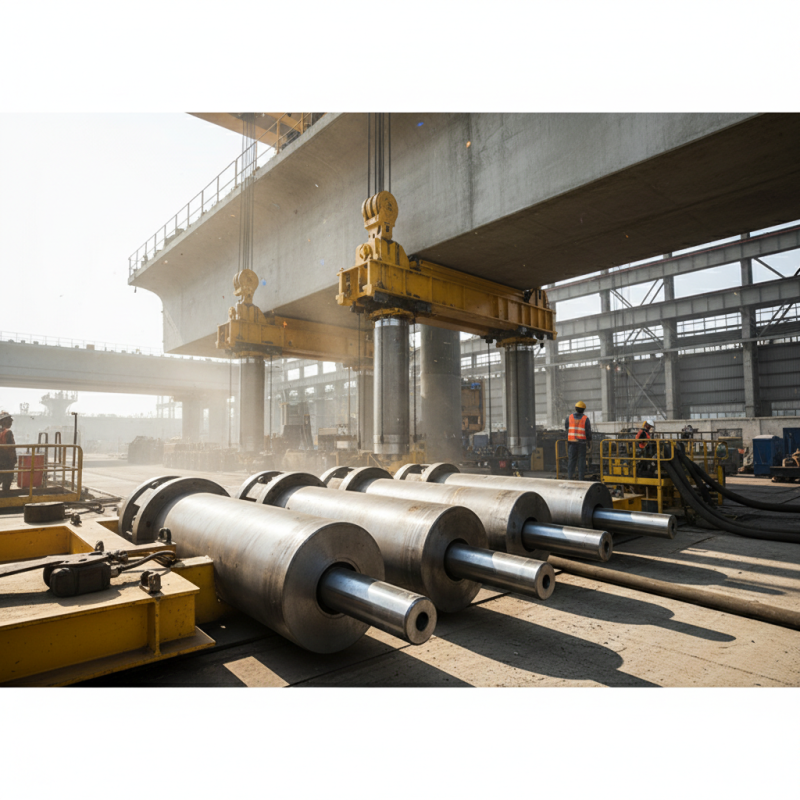
Advantages of Enhanced Load-Lifting Capabilities with 100 Ton Cylinders
When it comes to heavy lifting, 100 ton hydraulic cylinders excel in offering enhanced load-lifting capabilities. These powerful tools can effortlessly elevate massive weights. Their design incorporates advanced engineering, allowing for smoother operations. A robust hydraulic system ensures these cylinders perform reliably, even under extreme conditions.
The versatility of 100 ton cylinders is remarkable. They are used in construction, manufacturing, and transport sectors. For instance, lifting large machinery or structural steel components becomes manageable. However, operators must be well-trained. Understanding the nuances of calibration and pressure settings is crucial. Neglecting these details can lead to performance issues or accidents.
Additionally, the efficiency of these cylinders often shines through during heavy operations. Task completion time is significantly reduced. However, the initial investment and maintenance costs can be a concern for some companies. Balancing budget constraints with the need for high-performance equipment requires careful consideration. Understanding these factors ultimately leads to better operational decisions.
Improved Efficiency in Heavy-Duty Applications Using Hydraulic Cylinders
Hydraulic cylinders are pivotal in heavy-duty applications. These powerful tools can lift massive loads, making them vital in sectors like construction and manufacturing. According to industry data, a 100-ton hydraulic cylinder can exert substantial force while maintaining precision. This capability leads to improved operational efficiency, crucial in competitive environments.
The efficiency of hydraulic systems is often quantified in terms of energy use and operational outputs. Studies show that hydraulic machinery has a 90% efficiency rating compared to other systems. This means less energy waste and more productivity on the worksite. Equipment downtime is also minimized. With proper maintenance, hydraulic cylinders can last up to 20 years, reducing replacement costs.
However, there are challenges. Operators need proper training to maximize the benefits. Misuse can lead to accidents or equipment failure. Safety protocols must be prioritized alongside operational improvements. All stakeholders should be aware of potential hazards in high-pressure environments. Emphasizing training and safety can make the difference in overall system performance. The balance between efficiency and safety remains a critical topic in the industry.
Versatile Applications in Industrial and Construction Settings
Hydraulic cylinders weighing 100 tons offer remarkable versatility in industrial and construction environments. Their power and reliability make them ideal for heavy lifting tasks. In construction, they can elevate steel beams or heavy machinery with precision. This capability enhances efficiency on job sites and reduces the risk of accidents. The robust construction of these cylinders ensures they withstand harsh conditions, providing dependable performance over extended periods.
In industrial settings, these cylinders play a crucial role in automated processes. They can push, pull, or lift heavy loads consistently. This use is especially important in factories where productivity is key. However, using such powerful equipment does carry risks. It requires proper training and safety measures to prevent accidents. Additionally, regular maintenance is essential to keep the cylinders functioning properly. Ensuring all components are in good condition is critical for safe operation. Misjudging the load or operating under duress can have serious consequences.
In summary, while the benefits of 100-ton hydraulic cylinders are clear, users must remain vigilant. The balance between power and safety is essential. Assessing the environment and workload is vital before any operation. Emphasizing training and maintenance can significantly diminish risks.
Safety Features and Risk Reduction Associated with Hydraulic Systems
Hydraulic systems provide significant safety features that reduce risks associated with heavy lifting. One notable advantage is the built-in pressure relief valves. These valves prevent over-pressurization, which can cause catastrophic failures. According to industry data, the risk of accidents in workplaces using hydraulic systems drops by 30% when safety measures are implemented properly.
Another key safety feature is the use of double-acting cylinders. These cylinders provide equal force in both directions, enhancing stability. Furthermore, sensors can monitor pressures and temperatures, alerting operators to anomalies. Reports suggest that utilizing sensors can improve operational safety by 25%.
Tips for safe operation include regular maintenance checks. Timely inspections identify potential issues before they can lead to accidents. Training operators on emergency protocols is crucial, as timely responses can minimize risks. Additionally, always refer to the manufacturer's guidelines for safe usage. The integration of modern technology in hydraulic systems also helps in reducing risks, yet operators must remain vigilant.
Cost-Effectiveness Over Time for Heavy Equipment Operations
Utilizing 100-ton hydraulic cylinders can greatly enhance cost-effectiveness in heavy equipment operations. These cylinders are designed for high load-bearing applications, performing efficiently over time. A study by the International Journal of Engineering Trends and Technology revealed that equipment downtime can account for up to 25% of operational costs. By investing in robust hydraulic technology, companies can reduce this downtime significantly.
The longevity of hydraulic cylinders also contributes to savings over time. For example, when properly maintained, these cylinders often exceed a lifespan of ten years. This durability not only minimizes replacement costs but also decreases the need for frequent repairs, further ensuring operational efficiency. The hydraulic system's optimal performance can lead to up to 20% better fuel efficiency in heavy machinery, translating into substantial savings.
However, the initial investment can be substantial. Some companies hesitate to adopt advanced hydraulic systems due to perceived high upfront costs. This short-sightedness can hinder growth. It's crucial for organizations to evaluate long-term benefits rather than just immediate expenditures. Planning for the future can lead to better financial stability and operational success in the long run. Investing in 100-ton cylinders is not just about acquiring equipment; it’s about embracing a more efficient operational strategy.
Top 10 Benefits of Using 100 Ton Hydraulic Cylinders