Top Benefits of Panneau WPC for Global Buyers?
The increasing demand for sustainable building materials has brought Panneau Wpc to the forefront. This composite product excels in durability and environmental friendliness. Global buyers are recognizing the advantages of using Panneau WPC for their construction projects.
Panneau WPC stands out due to its unique blend of wood fibers and plastic. This combination results in a material that resists weathering, unlike traditional wood. Additionally, it requires less maintenance, which is a significant benefit for homeowners and builders alike. The versatility of Panneau WPC allows it to be used in diverse applications, from decking to wall cladding.
However, as with any material, there are considerations to keep in mind. While Panneau WPC offers many benefits, buyers should assess their specific needs. The initial cost can be higher than conventional materials. Reflecting on long-term savings versus upfront expenses is crucial. Panneau WPC provides a promising option, but careful evaluation is essential to maximize its potential.
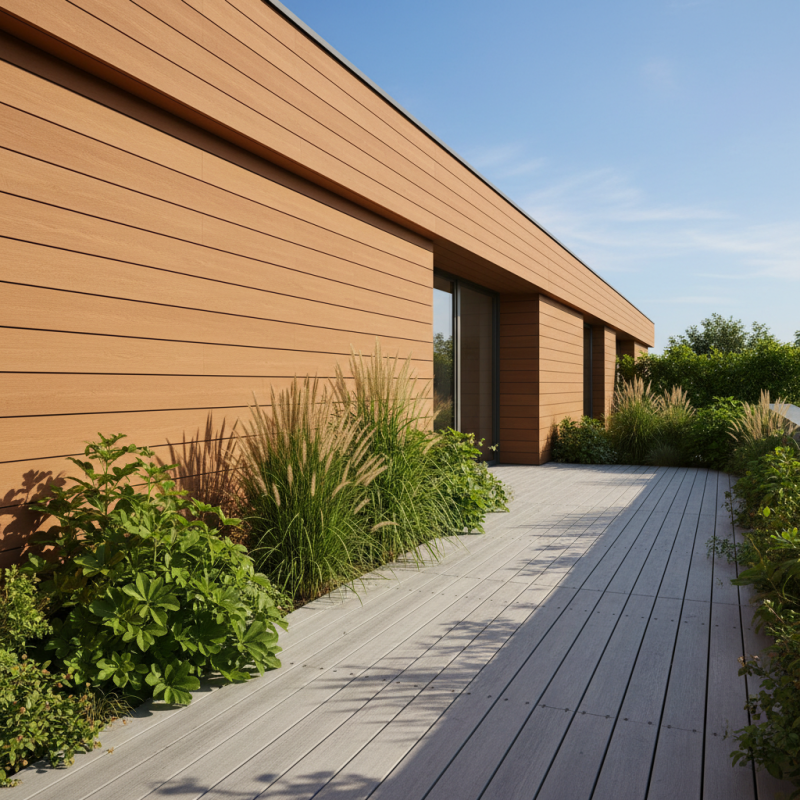
Understanding Panneau WPC: A Sustainable Material Choice
Panneau WPC stands for wood-plastic composite, a revolutionary material that combines wood fibers with plastic. This fusion creates a product that is both durable and visually appealing. Its structure offers excellent resistance to moisture and pests, making it a popular choice for various applications. Buyers are often surprised by its lightweight nature, which simplifies installation processes and reduces shipping costs.
Choosing Panneau WPC means opting for sustainability. The material is made from recycled wood and plastic, minimizing waste and environmental impact. This eco-friendly approach appeals to conscious consumers looking to reduce their carbon footprint. However, the long-term performance of Panneau WPC may vary, depending on the specific formulation and usage conditions. Improper care can lead to potential issues, such as discoloration or surface damage.
As global buyers explore sustainable options, the versatility of Panneau WPC is notable. It can be used in outdoor decking, fencing, and furniture. Yet, the challenge lies in ensuring that the material meets rigorous quality standards. Reviewers often emphasize the importance of sourcing from reputable suppliers. Balancing cost, quality, and sustainability requires thoughtful consideration. Each application presents unique requirements, prompting buyers to reflect on their specific needs.
Key Features of Panneau WPC for Versatile Applications
Panneau WPC, or Wood Plastic Composite, offers remarkable versatility across various applications. Its key features make it a go-to choice for modern buyers. One significant advantage is its resistance to moisture and pests. This durability results in less maintenance compared to traditional wood. A report from the Wood Products Council notes that WPC's lifespan can surpass that of standard lumber by up to 50%.
In addition, Panneau WPC comes in an array of colors and textures. This variety allows for customization in design. It can mimic the look of real wood while providing added stability. A survey by the Global Composites Association indicated that nearly 40% of architects prefer WPC because of its aesthetic qualities. This material is not only functional but can enhance the visual appeal of any project.
**Tip**: Always consider the environmental impact when sourcing materials. Panneau WPC is recyclable, which contributes to its sustainability. However, not all WPC products are created equal. Research the composition to ensure eco-friendliness.
Users should also reflect on their specific needs. Panneau WPC can be great, but it might not suit every project. Evaluate the long-term costs and benefits before making a decision. Quality and performance can vary widely in this market.
Comparative Advantages of Panneau WPC Over Traditional Materials
Panneau WPC is quickly gaining traction among global buyers. Its advantages over traditional materials are notable. For one, WPC offers enhanced durability. It resists moisture, rot, and insects. Traditional wood materials often fall victim to these issues, leading to frequent replacements.
Another compelling benefit is its low maintenance. Panneau WPC requires minimal care compared to wood. Buyers appreciate the time and cost savings here. Moreover, WPC is eco-friendly. It is made from recycled materials, reducing environmental impact. This is often overlooked when choosing traditional options.
A potential drawback exists. Some may question the aesthetic appeal of WPC. It does not always replicate the warmth of natural wood. However, advancements in design continue to improve its appearance. Many designs now mimic the look of authentic wood closely. The choice ultimately hinges on balancing aesthetics with practicality.
Cost-Effectiveness: Panneau WPC in Budget Management for Buyers
Panneau WPC (Wood Plastic Composite) is becoming increasingly popular among buyers worldwide. Its cost-effectiveness significantly aids in budget management. This material combines the durability of plastics with the aesthetic appeal of wood. It offers a practical solution for those seeking high quality without overspending.
Tips: Consider the long-term savings. While the initial investment can be a bit higher, Panneau WPC requires less maintenance. You won’t need frequent replacements, which can save money over time. Evaluate your specific needs before making a purchase.
Panneau WPC can seem overwhelming at first. Assessing its properties will help define if it suits your project. This material is resistant to moisture and pests, reducing long-term costs. However, remember that not all grades are equal. Research helps ensure you choose a type that meets your expectations.
Investing in Panneau WPC means lowering your overall expenditure on building materials. Buyers should weigh the benefits against their project requirements. A thorough analysis can prevent costly mistakes.
Top Benefits of Panneau WPC for Global Buyers
| Benefit | Description | Impact on Budget | Long-term Savings |
| Durability | WPC materials are resistant to pests, moisture, and warping. | Reduces replacement costs over time. | Lower maintenance and replacement frequency. |
| Low Maintenance | Requires minimal upkeep compared to traditional materials. | Decreases labor costs for upkeep. | Saves costs on repairs and labor over time. |
| Eco-Friendly | Made from recycled materials, reducing carbon footprint. | Potential tax credits for eco-friendly products. | Long-term environmental savings and reputational benefits. |
| Aesthetic Variety | Available in numerous styles and colors, enhancing design flexibility. | Allows for creative design without additional costs. | Increases property value through superior design. |
| Cost Efficiency | Competitive pricing compared to traditional wood and plastic products. | Lower initial investment costs. | Results in cost-efficient long-term solutions. |
Environmental Impact: The Ecological Benefits of Using Panneau WPC
Panneau WPC, or Wood Plastic Composite, presents significant environmental advantages. According to a recent industry report by MarketsandMarkets, using WPC can reduce carbon footprints by approximately 30% compared to traditional materials. This eco-friendly resource utilizes recycled plastics and wood fibers, making it a sustainable alternative in construction and outdoor applications. The incorporation of recycled materials greatly lessens waste in landfills, which continues to be a growing global concern.
The production process of Panneau WPC also demands less energy. A study from the American Wood Council indicates that manufacturing WPC consumes 20% less energy than that of pure wood products. Additionally, these composites are designed to withstand weather conditions without intensive maintenance, which contributes to their longevity. However, the reliance on plastic feedstock raises questions about the source of materials. Transparency in supply chains is essential for ensuring sustainability.
Moreover, Panneau WPC helps mitigate deforestation. With an increasing demand for timber, preserving forests is critical. As reported by the World Resources Institute, deforestation contributes up to 20% of global greenhouse gas emissions. By utilizing composites, we can protect natural resources and maintain ecological balance. Nevertheless, challenges remain in promoting widespread adoption. Education on benefits and sustainable practices is necessary for larger consumer acceptance.
Top Benefits of Panneau WPC for Global Buyers