Best Breaker For House Options You Need to Know?
When it comes to ensuring the safety and functionality of your home’s electrical system, choosing the right "Breaker For House" is crucial. Lisa Thompson, a seasoned electrician and industry expert, emphasizes, “Selecting the best breaker is not just about compatibility; it’s about safety and reliability.” This statement highlights the importance of understanding different options available in the market.
The range of breakers can be overwhelming. Some may find it challenging to navigate models, brands, and specifications. Homeowners often underestimate the risk of outdated or incompatible breakers. These choices can lead to unsafe electrical practices. Each breaker type meets specific needs, such as circuit types or load capacities, making research essential.
Investing time in understanding your options can prevent future issues. It’s not just about immediate needs; it’s about long-term safety. Stay informed and consider professional advice. Your home’s electrical safety depends on it.
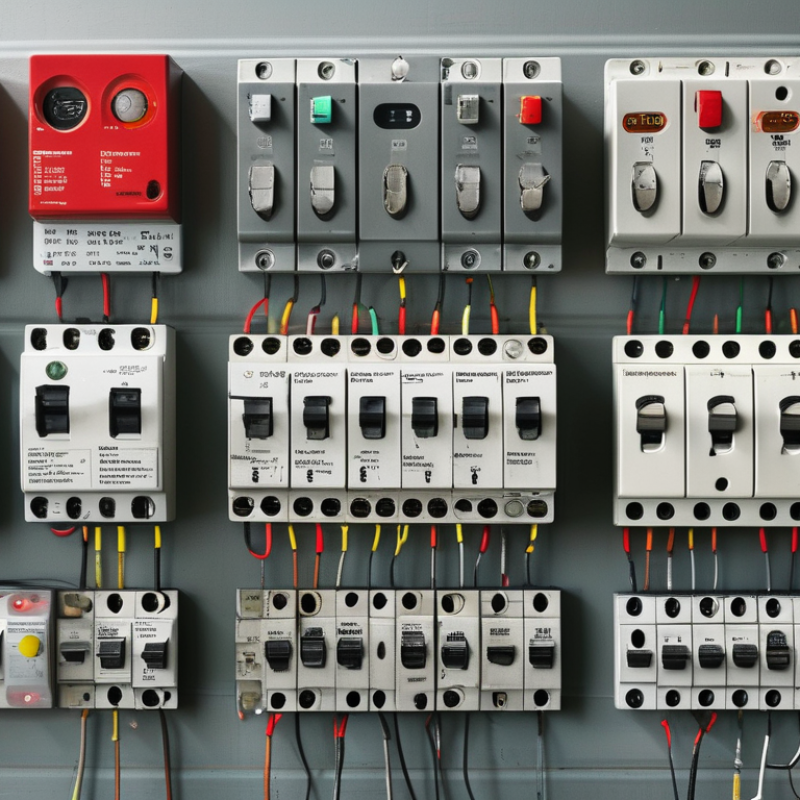
Types of Circuit Breakers for Residential Use
When considering circuit breakers for your home, several types come into play. Standard circuit breakers protect your electrical system from overload. They trip and cut off the current when they detect excess flow. This is essential for preventing electrical fires and equipment damage.
Ground Fault Circuit Interrupters (GFCIs) are another crucial type. They are designed for areas prone to moisture, like kitchens and bathrooms. If a ground fault occurs, they react quickly, cutting power to prevent shocks. Their placement in high-risk areas is a critical safety measure many overlook.
Last, there are Arc Fault Circuit Interrupters (AFCIs). These breakers detect arc faults caused by damaged wires or loose connections. They offer an extra layer of protection. However, homeowners sometimes hesitate to upgrade, thinking it's unnecessary. Investing in the right breakers can enhance safety and reliability in your home. Each type serves a distinct purpose and knowing the differences can prevent potential hazards.
Factors to Consider When Choosing a Circuit Breaker
Choosing the right circuit breaker is crucial for home safety. Several factors influence your decision. You need to consider the current rating, which indicates how much electrical flow the breaker can handle. A breaker that is too weak may trip often, disrupting power supply. Conversely, an oversized breaker may not trip when necessary, posing a fire risk.
Another important aspect is the type of breaker. Standard breakers work for most homes, but you might need specialty options for certain appliances. Ground fault circuit interrupters (GFCIs) protect wet areas, while arc fault circuit interrupters (AFCIs) shield against electrical fires. Understand your needs before making a choice.
Installation location matters as well. Breakers installed in damp or outdoor areas often require more protection. Environmental conditions can affect their performance. Regular inspections help ensure reliability. Missing this step could lead to unexpected trips or unsafe conditions. Balancing safety with functionality will lead to better outcomes in your home's electrical system.
Comparing Breaker Brands and Their Features
Choosing the right circuit breaker is essential for home safety and efficiency. Various brands offer different features tailored to various needs. For instance, a report from the National Electrical Manufacturers Association indicated that residential circuit breakers can vary significantly in terms of trip response time and surge protection capabilities. Quick trip mechanisms are crucial for preventing electrical fires, especially in older homes.
When comparing brands, it's vital to consider how each breaker handles overload and short-circuit situations. Studies show that some breakers can trip as fast as 1/30 of a second, while others take longer. This can be the difference between minor damage and a catastrophic failure. Additionally, features like ground fault protection and arc fault detection are becoming standard, yet quality varies.
Reliability is a key factor too. A research paper from the Institute of Electrical and Electronics Engineers notes that some breakers have a lifespan of up to 20 years, while others might need replacement within a decade. There’s also the challenge of compatibility with older wiring systems. Not all models fit seamlessly into existing setups. Homeowners must weigh these factors carefully to select a suitable breaker for their unique situation.
Installation Tips for Circuit Breakers in Homes
When installing circuit breakers in homes, careful attention is crucial. Begin by ensuring that you have a clear understanding of your home's electrical system. This includes assessing the total load your circuits will handle. It's essential to consult local building codes for safety standards. Failure to do this can lead to significant safety hazards.
Choosing the right breaker type matters. Understand the distinction between standard and GFCI breakers. Each type serves a different purpose and offers unique protection. A GFCI breaker is crucial in areas with high moisture, like kitchens and bathrooms. Always make sure the breaker matches your electrical service panel’s specifications.
During installation, turning off the main power is non-negotiable. This simple step prevents accidents. Wires should be stripped precisely, avoiding any damage that can affect sturdiness. Faulty connections can lead to unexpected failures later. Use a torque screwdriver to ensure a secure fit. Regularly check for wear and tear on breakers, as this can extend their lifespan and maintain safety.
Signs Your Circuit Breaker Needs to Be Replaced
Your circuit breaker plays a vital role in protecting your home’s electrical system. However, sometimes signs indicate it may need replacement. Flickering lights are among the most common issues. If you notice lights that often dim or flicker, it may signal an overloaded circuit. In addition to this, keep an eye on any frequent tripping of the breaker. If it trips multiple times a month, it might be time to consider a replacement.
Another red flag is the presence of a burnt smell or visible damage. If you detect an unusual odor near the breaker box, immediately turn off the power and investigate further. Also, check for any discolored or cracked components. These signs can suggest overheating or malfunction. A Circuit breaker that feels warm to the touch is also concerning. This indicates potential issues that could lead to electrical fires.
Consulting with a licensed electrician can provide clarity. It's crucial to communicate observations like these. They can assess the condition of your breaker effectively. While it can be a hassle, addressing these issues promptly ensures safety and peace of mind in your home. It's important to prioritize these signs and take action before problems escalate.
Best Breaker For House Options You Need to Know? - Signs Your Circuit Breaker Needs to Be Replaced
| Option | Description | Signs of Replacement |
| Standard Breaker | Basic circuit breaker for general household use. | Frequent tripping, burn marks around terminals. |
| GFCI Breaker | Ground Fault Circuit Interrupter, protects against electrocution. | Constantly tripping without moisture or ground faults. |
| AFCI Breaker | Arc Fault Circuit Interrupter, prevents electrical fires. | Flashing lights, overheating wires, frequent nuisance tripping. |
| Dual Function Breaker | Combines GFCI and AFCI features. | Tripping with no apparent cause, unusual sizzling sounds. |