
1-208-754-4884

What Is the Best Exhaust End Pipe for Your Car in 2026?

Choosing the best Exhaust End Pipe for your car in 2026 is not just a styling decision. The right part should fit your vehicle, suit your driving habits, and withstand years of heat, rain, and road salt. A polished tip may look sharp in a showroom, but poor sizing can leave it awkwardly recessed or sticking too far beyond the bumper. Sound matters, too. A new end pipe can change tone, though it usually cannot transform the performance of a stock exhaust system.

A practical rule of thumb: “Choose the end pipe for fit and durability first; let appearance come second.” This is an original editorial line, not a verified quotation from a named specialist. Without a supplied source, attaching it to a real exhaust expert would risk misrepresenting their words. In the sections ahead, we’ll compare stainless steel and other common materials, review shapes and finishes, and explain how to check inlet diameter and mounting style. Bring your vehicle’s year, make, model, and exhaust measurements to the decision. Small details count.

There is no universal winner. A daily driver facing wet winters may need corrosion resistance more than a dramatic finish. A carefully chosen clamp-on tip may suit one car; another may need a different inlet or mounting arrangement. Always confirm compatibility and follow the manufacturer’s installation guidance. The goal is simple: a secure fit, a finish you enjoy, and no unpleasant surprises under the bumper.
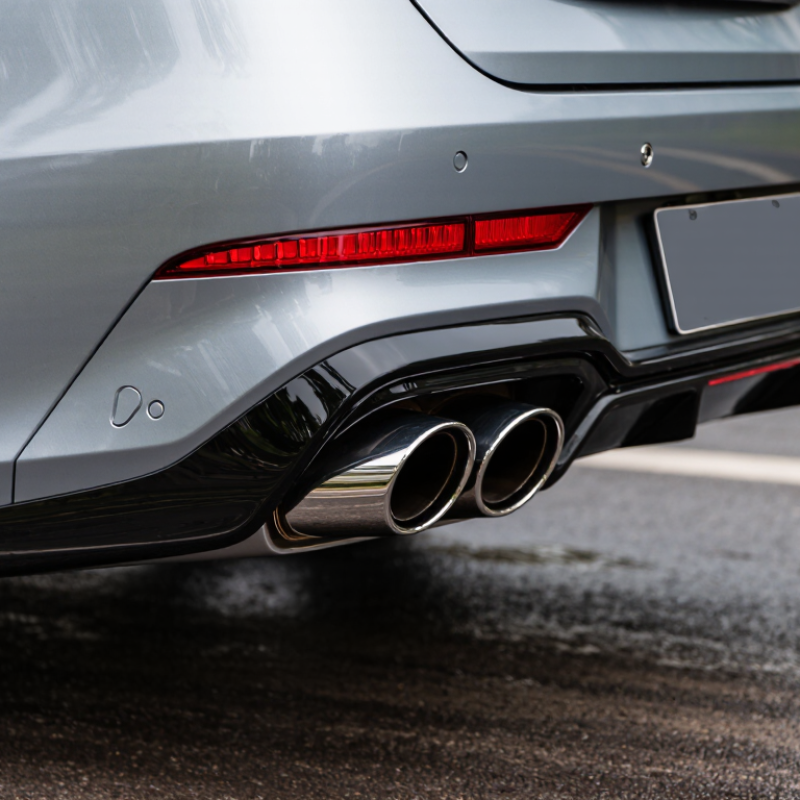
What Is the Best Exhaust End Pipe for Your Car in 2026?

What an Exhaust End Pipe Does and How It Affects a Car

An exhaust end pipe is the visible outlet at the rear of a car. It guides exhaust gases away from the underside and bodywork, while completing the exhaust system’s appearance. The engine, muffler, and pipework do most of the work that controls noise and emissions. A decorative end pipe alone usually does not create a meaningful power gain. A common misconception is that a larger opening must improve performance. It may simply change the look, and sometimes the sound slightly.

Looks are only part of it. A well-fitted pipe should match the existing outlet diameter and sit clear of the bumper. Check that its clamp or weld feels secure, with no rattling over bumps. The metal also matters: road salt and water can leave rust around seams, especially on a car used through winter. A polished finish may show fingerprints and soot quickly. Fitment can be awkward, too; measurements that seem close on paper may not account for a curved outlet. Inspect the exhaust only when it is cool, and watch for contact with nearby trim. If gases smell inside the cabin or the pipe has come loose, the issue needs more than a cosmetic replacement. I would not judge a part by shine alone.

Which Exhaust End Pipe Styles and Materials Are Available in 2026?

Exhaust end pipes in 2026 range from simple straight-cut tubes to rolled-edge, slash-cut, angled, and double-wall styles. A rolled edge gives the opening a smooth, finished rim; a slash cut can make the tailpipe look longer. Double-wall tips add a thicker visual profile.

Small detail, visible effect. The tip usually changes appearance more than exhaust performance, so match its inlet diameter to the existing pipe and check bumper clearance before choosing.

Material affects durability and upkeep. Stainless steel is a common choice: 304 generally offers stronger corrosion resistance than 409, while 409 can develop surface discoloration over time. Aluminized steel can cost less, but its coating may be vulnerable where scratched. Titanium and carbon-fiber sleeves are lighter-looking alternatives, though the sleeve material does not necessarily describe the full exhaust assembly. Check what the product is actually made from.

The MarketsandMarkets Automotive Exhaust Systems Market report estimated the global market at USD 45.2 billion in 2023, with a projected USD 57.4 billion by 2028. That broader market figure includes many components, not end pipes alone, but it reflects continuing interest in exhaust-system upgrades. A polished finish photographs well; it also shows fingerprints and road grime. That trade-off is easy to underestimate.

How to Check Vehicle Fitment and Installation Requirements

A suitable exhaust end pipe must match the car, not just look right in a product photo. Check the model year, engine, trim, and exhaust layout, since the same vehicle can have different tailpipe dimensions. Measure the tailpipe’s outside diameter, then compare it with the end pipe’s inlet size. Also check its overall length, outlet angle, and clamp position. Small details matter. A few millimeters can affect the fit.

Before ordering, compare the measurements with reliable vehicle specifications and the seller’s fitment details. Do not assume a listed diameter describes the inlet; it may refer to the visible outlet. Check how the part attaches: a clamp-on design needs enough straight pipe, while a welded design may require cutting and specialist equipment. I would not trust a loose visual match alone. It is easy to miss a bumper curve or an offset outlet.

Install only when the exhaust is completely cool, and support the vehicle securely if access underneath is needed. Follow the supplied torque and clearance instructions, then check that the pipe cannot touch the bumper, suspension, or nearby bodywork. Heat and vibration can shift a poorly aligned tip. If cutting or welding is required, have a qualified exhaust technician assess the job. I might measure twice and still recheck after fitting; alignment can look different from underneath.

What Is the Best Exhaust End Pipe for Your Car in 2026? - How to Check Vehicle Fitment and Installation Requirements

There is no single end pipe that fits every car. Choose one only after checking the vehicle’s exhaust outlet, available clearance, attachment method, and local noise and emissions rules. Measurements below are fitment checks—not universal vehicle specifications.

Fitment or selection factor What to check Practical requirement Why it matters
Vehicle application Model year, make, model, engine, body style, and exhaust configuration. Confirm the part is listed for the exact vehicle configuration, then verify the dimensions on the car. Different engines, trims, and body styles can have different pipe routing, outlet positions, or exhaust sizes.
Inlet diameter Measure the exhaust pipe where the end pipe will attach. Check whether the measurement is the pipe’s outside diameter or the accessory’s inside diameter. A slip-on end pipe’s inlet must match the mating pipe and its specified fitment method. Do not rely on a visual estimate. A mismatched joint may not clamp securely and can leak, loosen, or require an unsuitable adapter.
Attachment style Determine whether the existing outlet is designed for a clamp-on, bolt-on, or welded connection. Use a compatible joint and the correct fastener. Welding should be performed by a qualified technician. Attachment styles are not automatically interchangeable; modifying the exhaust can affect fitment and serviceability.
Outlet shape and size Compare the end pipe’s outlet shape and dimensions with the available bumper opening and the desired appearance. Allow clearance around the tip; it should not touch the bumper, trim, or other vehicle parts. Contact with the body can cause rattles, heat damage, or damage from vehicle movement.
Length and angle Check how far the tip will extend and whether it is straight, angled, or turned down. Position the outlet as specified for the vehicle, with safe clearance from bodywork and nearby components. A tip that is too long or incorrectly angled may protrude, strike nearby parts, or direct exhaust where it is not intended to go.
Material and finish Check the material description, corrosion resistance, wall construction, and finish care requirements. Common choices include stainless steel and aluminized steel; suitability depends on climate, exposure, budget, and upkeep. Materials differ in corrosion resistance and maintenance needs. A decorative finish does not establish vehicle fitment.
Clearance and movement Inspect nearby bumper material, heat-sensitive parts, suspension components, and the exhaust’s movement on its hangers. Check clearance with the exhaust cool and, where appropriate, recheck after installation without touching hot parts. The exhaust moves and heats up during use. Insufficient clearance can cause noise, contact, or heat-related damage.
Installation condition Look for corrosion, damaged threads, distorted pipe ends, worn hangers, or seized fasteners. Use the specified clamp or hardware and follow its installation instructions. Replace damaged components rather than forcing a poor fit. Existing damage can prevent a secure seal or make installation unsafe. Hot exhaust parts can cause burns.
Noise and legal requirements Check applicable local rules and whether the change affects required emissions equipment or noise limits. Keep required emissions components intact and use a configuration permitted where the vehicle is registered and operated. Rules vary by location. An end pipe should not be assumed to make a vehicle compliant or to improve performance.
Final fitment check After fitting, inspect the joint, clamp or weld, alignment, and clearance; listen for leaks or rattles during a safe check. Follow the component instructions and vehicle service guidance. Seek professional inspection if the joint is uncertain or modified. A visual fit alone does not confirm a sealed, secure installation.

How to Compare Durability, Sound, Appearance, and Price

Start with metal and the car’s climate. A thin, polished tip can look sharp in a showroom. Road salt and repeated heat cycles expose weak coatings. Aluminized steel usually costs less, while stainless steel generally resists corrosion better. Grade and workmanship still matter. Inspect seams and welds, especially where water can collect.

S&P Global Mobility reported that the average age of U.S. light vehicles reached 12.6 years in 2024. That is useful ownership context, not a pipe-life guarantee.

Sound depends more on the complete exhaust system than on the end pipe alone. A louder tip is not automatically better. Listen to a similar setup before buying, and check that the pipe will not touch the bumper.

Appearance is subjective. A rolled edge can look understated; a large outlet may overwhelm a small rear fascia. I would not overrate shine.

SEMA’s 2024 market report put U.S. specialty-equipment sales at $52.6 billion in 2023. That broad figure describes the aftermarket, not a fair price for one exhaust tip.

Compare installed quotes, material grade, finish, warranty, and whether cutting or adapters are required. A low-priced part can become less attractive once fitting costs appear. Conversely, paying more for a finish you barely notice may not make sense.

Which Safety and Local Noise Rules Should You Check?

Before choosing an exhaust end pipe, check that it matches the vehicle’s outlet diameter and mounting points. A loose joint can leak fumes beneath the car or create a sharp rattle. Small details matter. The US Centers for Disease Control and Prevention reports that unintentional, non-fire-related carbon monoxide poisoning causes more than 400 deaths annually in the United States. That figure is a useful reminder: inspect for leaks, corrosion, and secure clamps after installation, and never rely on smell to detect carbon monoxide. I would not assume a neat-looking pipe is a safe one.

Noise limits depend on your city, county, or state, and measurement methods can differ. Check local rules before buying: some specify a maximum sound level in decibels, while others define test distance, engine speed, or whether testing is stationary. SAE J1169 describes a stationary sound-level test procedure for light-vehicle exhaust systems; it can help explain how readings are taken, but it does not replace local requirements. Ask the relevant transport or inspection office which standard applies. A reading taken beside a garage wall may not match an official test. That can be frustrating, but it is worth checking.