2026 Best Light Bar Brackets for Your Next Project?
When embarking on a project that requires additional lighting, choosing the right light bar brackets is crucial. The market for light bar brackets has seen significant advancements in recent years. With so many options available, it can be overwhelming to find the ideal fit for your needs.
Light bar brackets are essential for securely mounting your lighting. They provide stability and durability in various environments. Quality brackets enhance the functionality and aesthetics of your lighting setup. However, the wrong choice can lead to alignment issues or even damage to your vehicle. Thus, understanding the specifications and materials is key.
Take time to research before making a decision. Evaluate the pros and cons of each type of bracket available. Some may offer superior sturdiness, while others focus on easy installation. Reflect on your specific needs and preferences. In the end, selecting the best light bar brackets impacts not only performance but also safety on your adventures.
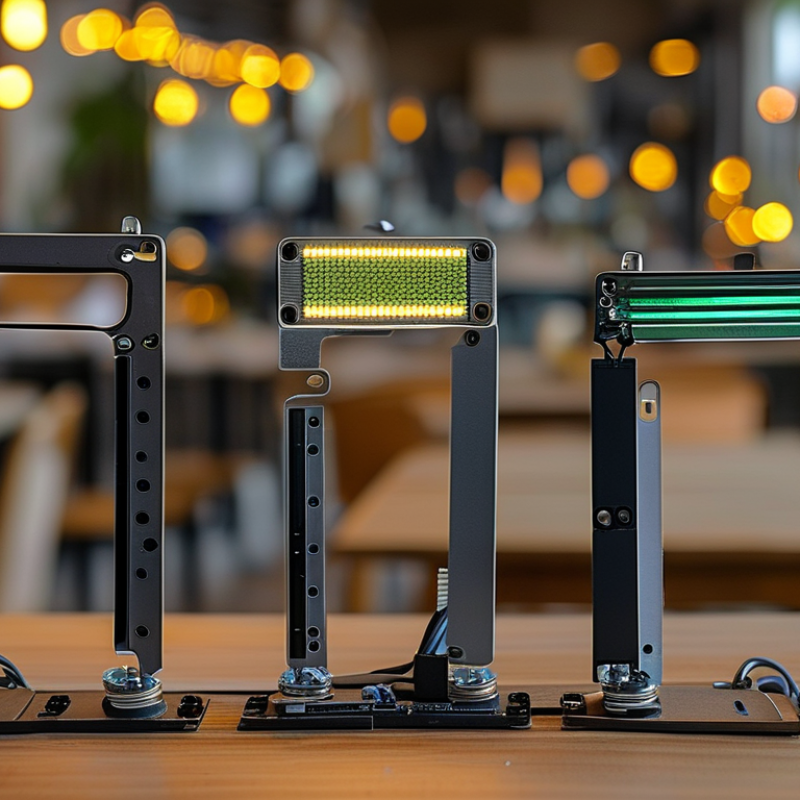
Overview of Light Bar Brackets and Their Importance
Light bar brackets are essential components for any lighting project. They provide the necessary support to securely mount light bars to vehicles or structures. Without proper brackets, light bars can vibrate or shift, leading to poor illumination and potential damage. The right bracket ensures stability, especially in rugged environments.
Selecting high-quality brackets improves performance and durability. Quality materials resist corrosion and withstand the elements. However, some users might overlook the importance of installation. Improperly installed brackets can result in misaligned light bars, causing uneven light distribution. This can be frustrating, as it impacts the very purpose of the light bars themselves.
In any project, attention to detail matters. While it’s easy to focus on the light bars, neglecting the mounting system leads to problems. Brackets are not just accessories; they play a critical role. Reflecting on past projects can improve future ones. Evaluate what worked and what didn’t. This approach fosters better choices in the long run.
Types of Light Bar Brackets for Various Applications
When choosing light bar brackets, understanding their types and applications is essential. There are various designs available, each tailored for specific needs. For instance, adjustable brackets allow for flexibility in positioning lights on different vehicles. They are favored for off-road trucks and SUVs. Fixed brackets provide sturdy support, ensuring lights remain stable in rough conditions. According to recent industry reports, over 45% of users prefer adjustable types for their versatility.
Fabricated brackets are another option, often made from durable materials like aluminum or steel. They can be customized for unique setups, which is a plus for specialized vehicles. However, they might not be the best choice for all projects due to their higher cost and complex installation. Users should weigh their priorities when choosing material and design.
Tips: Always check the weight capacity of the bracket before installation. A mismatch could lead to failure. Additionally, ensure proper alignment to avoid light glare while driving. Poor alignment can lead to unsafe driving conditions. Lastly, consider the environment where your vehicle will operate; different settings can dictate bracket choice. Make informed decisions to enhance reliability.
Factors to Consider When Choosing Light Bar Brackets
When selecting light bar brackets for your next project, several key factors are essential. Material strength is critical. High-quality brackets need to withstand vibrations and weather elements. According to a 2023 industry report, aluminum and stainless steel are the most popular materials due to their durability and resistance to corrosion. Ensure the brackets you choose can handle your light bar's weight and potential impacts.
Compatibility is another important consideration. The right brackets must fit your vehicle's model and design features. A mismatch can lead to installation issues, which may affect performance. Many reports highlight that nearly 30% of users experience challenges with improper fitting brackets. Measurement accuracy before purchasing is crucial to avoid such pitfalls. Additionally, check for adjustable features that allow customization, adapting to different mounting angles.
Installation ease shouldn't be overlooked. Complex installation processes may require extra tools or professional assistance. Nearly 40% of DIY enthusiasts prefer simple designs that don't need specialized skills. Before making a decision, consider reading user reviews. They often provide insights into real-world experiences, highlighting potential challenges and successes. Choosing wisely can enhance your project's overall satisfaction.
Top Features of the Best Light Bar Brackets for 2026
When selecting light bar brackets for your next project, consider durability, adjustability, and ease of installation. The best brackets are made from high-quality materials that withstand harsh conditions. This ensures your light bar remains secure, even on rough terrains. Strength matters, as weak brackets can lead to misalignment.
A key feature is adjustability. This allows for optimal light positioning. Brackets that offer different mounting angles can enhance visibility significantly. Keep in mind that ease of installation plays a crucial role. Complicated setups can deter users from making the most of their lighting equipment.
Think about weight capacity as well. Some brackets may look sturdy but cannot handle the load effectively. Additionally, ensure compatibility with various light bar models. Mismatched brackets could lead to frustration and wasted effort. While many products claim to be the best, hands-on research is essential to find the right fit for your project.
Installation Tips for Light Bar Brackets on Your Project
When installing light bar brackets, attention to detail is crucial. Begin by selecting a sturdy mounting location on your vehicle. This spot must be able to support the light bar's weight and withstand vibrations while driving. Use masking tape to mark the exact position. This allows for precise drilling and helps avoid mistakes.
Before proceeding, double-check your tools and ensure they are suitable for the task. A misaligned hole can lead to issues later on. Always measure twice; it’s better to take your time now than to fix mistakes later. Securing the brackets often requires specific hardware. Make sure everything is tight but be cautious not to over-tighten, which can damage threads or cause cracks.
Reflect on your installation process after completion. Did everything go as planned? If you encountered unexpected challenges, note them for future projects. This reflection can enhance your skills. Remember, practice makes perfect. Don’t hesitate to adjust your strategy based on what you learned during this installation. Each project builds your expertise.