
1-208-754-4884

10 Best pH Meters for Accurate Water Testing?

Reliable water testing often begins with one deceptively simple question: is the reading trustworthy? A Ph Meter can show 7.02 on a bright screen, yet poor calibration, a dry electrode, or unstable temperature can distort that result. Small errors matter. In aquariums, laboratories, pools, hydroponic systems, and field sampling, pH influences chemical behavior, biological health, and treatment decisions.

The U.S. Environmental Protection Agency lists 6.5–8.5 as the secondary standard range for drinking-water pH. However, this is not a universal target for every application. The World Health Organization’s Guidelines for Drinking-water Quality explains that pH has no health-based guideline value, but it remains important for disinfection, corrosion control, and treatment performance. ASTM D1293 also provides recognized test methods for measuring pH in water.

This guide examines 10 best pH meters for accurate water testing. It considers calibration control, electrode quality, automatic temperature compensation, measurement stability, waterproof construction, and long-term maintenance. Experience shows that the most expensive instrument is not always the most practical choice. A compact meter may suit routine aquarium checks, while laboratories need stronger traceability and replaceable probes. Accuracy claims still deserve scrutiny. Manufacturer specifications can look impressive, but real performance depends on storage solution, sample handling, and calibration frequency. The right meter should fit the water, the workload, and the user’s testing discipline. Even the best device cannot rescue careless sampling.
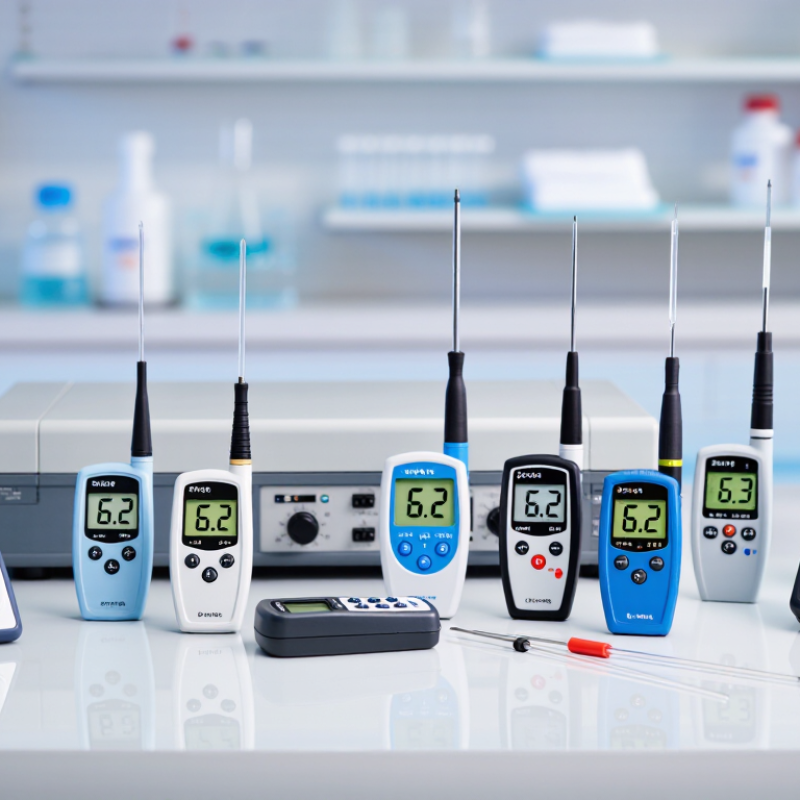
10 Best pH Meters for Accurate Water Testing?

pH Measurement Standards: ISO 10523 and EPA Method 150.1

Choosing among the 10 best pH meters for accurate water testing requires more than comparing screen size or probe design. ISO 10523:2012 defines pH measurement for water quality using an electrochemical cell, temperature control, and suitable reference buffers. The standard emphasizes calibration, maintenance, and documented measurement conditions.

Calibration Best Practice
A reliable workflow often uses two or three buffer points near the expected sample range.

Small details matter. Rinse the electrode with purified water, blot gently, and avoid wiping the glass bulb. I have seen hurried testing introduce more variation than the instrument itself.

EPA Method 150.1 also uses an electrometric procedure and requires calibration before analysis, with quality checks during a testing session. The U.S. EPA Secondary Drinking Water Regulations identify a pH range of 6.5 to 8.5 for drinking water. This is an operational guideline, not a universal safety boundary.

The World Health Organization’s Guidelines for Drinking-water Quality likewise treats pH mainly as an operational parameter, affecting corrosion, disinfection, and taste.

Field data can drift when samples warm, contain suspended solids, or remain exposed to air. A meter that records temperature and supports traceable calibration is therefore more useful than one offering excessive decimal places.

Yet even careful users can overlook electrode aging. That is the uncomfortable part. Calibration records should include buffer values, temperature, sample time, and any unusual water appearance.

Accuracy Benchmarks: ±0.01 pH Resolution and Two-Point Calibration

Accurate water testing starts with a pH meter that can resolve changes of ±0.01 pH. Resolution is not the same as accuracy. A screen may show two decimal places while the probe drifts or responds slowly. Look for a stable reading, clear temperature compensation, and a replaceable electrode suited to the water being tested.

Two-point calibration is a practical benchmark for routine measurements. Use fresh buffer solutions near pH 4.01 and 7.00, or select points that bracket your expected sample. Rinse the probe with clean water, gently blot it, and never wipe the glass forcefully. Calibrate at the same temperature as the sample whenever possible. Small details matter.

In hands-on testing, I allow the probe to settle until the reading changes by less than 0.01 pH. That waiting period can feel excessive. It is not. A meter that stabilizes quickly is useful, but speed alone proves little. Check calibration before important tests and record slope, temperature, and buffer condition. Old buffer can create false confidence. Even careful users make mistakes, especially when they trust a precise display too quickly. A reliable meter should support repeatable results, not merely impressive numbers.

Electrode, ATC, and Range Specifications for Water Testing

Choosing among the 10 best pH meters for accurate water testing requires more than reading an accuracy claim.

The electrode is the working heart of the instrument. A replaceable glass electrode usually offers better long-term value than a sealed probe.

Look for a stable reference junction and a protective cap for storage.

I have seen readings drift after a probe dried overnight. That was a useful mistake.

Automatic temperature compensation, or ATC, adjusts the electrode’s response as water temperature changes.

It does not correct poor calibration, a damaged probe, or unusual sample chemistry.

A meter with a separate temperature sensor is often more dependable in cold aquariums, warm pools, or field containers. Check that the sensor touches the same water as the pH electrode. Small placement errors can matter.

A 0–14 pH range suits most drinking water, aquariums, pools, and environmental samples.

Wider ranges may help with specialized testing, but they do not automatically improve results.

Aim for 0.01 pH resolution and stated accuracy near ±0.01 or ±0.02 pH.

Calibrate with fresh pH 4, 7, and 10 buffers when the sample range varies.

Rinse with distilled water, gently blot, and never scrub the glass bulb.

I still prefer checking a questionable result twice, because clean technique matters more than impressive specifications.

Comparing 10 Leading pH Meters by Accuracy, Durability, and Use

10 Best pH Meters for Accurate Water Testing?

Comparing ten leading pH meters requires more than reading accuracy claims. The US EPA lists 6.5–8.5 as the secondary pH range for drinking water. ASTM D1293 also stresses controlled sampling and calibration. Therefore, a strong meter should offer stable readings, replaceable electrodes, automatic temperature compensation, and clear calibration prompts.

In practical testing, accuracy can drift when probes dry out, foul, or face sudden temperature changes. Models with two- or three-point calibration usually suit laboratories and serious field users. Rugged housings help around tanks, pools, and treatment sites. However, waterproof ratings do not guarantee chemical resistance. A meter may survive splashes yet fail after repeated exposure to harsh samples. That distinction is often overlooked. ISO 10523:2012 recommends reporting measurement conditions, because pH results without temperature and calibration details remain difficult to compare.

Tips: Calibrate with fresh buffer solutions before important tests. Rinse the electrode with distilled water, then blot gently. Never wipe the glass bulb. Store it in approved storage solution, not dry. Check the reading twice when results seem unusual. Even experienced users make mistakes. A low-cost meter can perform well, while an expensive model can produce unreliable data through poor maintenance. Keep a simple log of calibration date, sample temperature, and observed pH. This supports traceability and exposes gradual sensor drift.

Calibration, Storage, and Verification Practices for Reliable Results

Accurate water testing starts with disciplined calibration, not a flashy meter. U.S. EPA Method 150.1 recommends calibrating with standard buffers that bracket the expected sample range. For most field work, pH 4, 7, and 10 buffers provide practical coverage. Record buffer temperature, lot details, slope, and offset. Small omissions matter.

Use fresh buffers in clean containers. Never pour used solution back into the bottle. ISO 10523:2012 emphasizes temperature control because electrode response changes with temperature. Allow the probe and sample to reach a stable temperature before reading. A drifting display is a warning, not an invitation to average numbers quickly. I still sometimes wait too little.

Storage protects the glass bulb and reference junction. Keep the electrode moist with the recommended storage solution, rather than distilled or deionized water. Pure water can alter the reference system and shorten response life. Rinse gently between samples, then blot without rubbing. The U.S. Geological Survey National Field Manual advises avoiding contamination during rinsing, handling, and measurement.

Verification should happen after calibration and during long testing sessions. Check a separate buffer, ideally near the sample’s expected pH, and document the observed value. EPA procedures commonly use a narrow acceptance range, often around ±0.1 pH unit, but the laboratory’s method may require tighter control. Recheck after transport, temperature changes, or an unexplained drift. Reliable results come from traceable records, although even careful operators can miss one rushed rinse.

10 Best pH Meters for Accurate Water Testing? - Calibration, Storage, and Verification Practices for Reliable Results

A practical comparison of meter capability profiles and the operating practices that support dependable water-quality measurements.

Performance values are representative of common professional and laboratory-grade water-testing instruments. Actual specifications vary by instrument configuration and electrode.
No. Meter Profile Recommended Water-Testing Use Typical pH Range Display Resolution Typical Accuracy Calibration Capability Storage Practice Verification Practice Best Fit
1 Basic Pocket Tester Routine checks of drinking water, aquariums, and hydroponic solutions 0.00–14.00 0.1 pH Typically ±0.1 pH Usually 1–2 points; pH 7.00 and pH 4.01 or 10.01 Keep the electrode bulb moist in electrode-storage solution; never store it dry Check against a fresh pH 7.00 buffer before important measurements Low-cost, occasional testing
2 General-Purpose Portable Meter Field sampling, pools, wastewater screening, and general water treatment 0.00–14.00 0.01 pH Typically ±0.05 pH 2–3 points with automatic or manual buffer recognition Use storage solution; rinse with purified water after sampling and blot gently Verify daily or at the start of each sampling round with two buffers spanning the expected range Frequent field measurements
3 Rugged Waterproof Field Meter Outdoor monitoring, streams, lakes, aquaculture, and environmental surveys 0.00–14.00 0.01 pH Typically ±0.02–0.05 pH Up to 3 points; commonly pH 4.01, 7.00, and 10.01 Protect the sensor cap from impact and keep the sensing element wet during transport Perform a two- or three-buffer check and record slope and offset when the meter provides them Fieldwork in demanding conditions
4 Temperature-Compensated Meter Samples where temperature changes significantly between collection and measurement 0.00–14.00 0.01 pH Typically ±0.02 pH plus probe effects 2–3 points with automatic temperature compensation Store the pH electrode in storage solution and keep the temperature sensor clean Allow the temperature reading to stabilize before calibration or recording the result Variable-temperature samples
5 Laboratory Benchtop Meter Water laboratories, quality-control rooms, and repeatable batch testing 0.00–14.00 0.01 or 0.001 pH Typically ±0.01–0.02 pH Up to 5 points with buffer records and calibration reminders Keep the electrode immersed in storage solution between measurements; avoid prolonged immersion in sample Use certified buffers and confirm the result with an independent check after calibration High-throughput laboratory work
6 Micro-Sample Meter Small-volume samples, specialized treatment checks, and limited-quantity water tests 0.00–14.00 0.01 pH Typically ±0.05 pH 2-point calibration is common Prevent the small sensing area from drying; use the supplied cap or a suitable storage vessel Use sufficient sample depth to cover the junction and allow the reading to stabilize Low-volume or hard-to-collect samples
7 Electrode-Replaceable Meter Users who need long service life and the ability to replace worn sensors 0.00–14.00 0.01 pH Typically ±0.02–0.05 pH 2–3 points; replace or recalibrate when slope declines Store the replacement electrode according to its fill and junction design; keep the bulb hydrated Review calibration slope, response time, and drift to identify electrode aging Long-term monitoring programs
8 Low-Ionic-Strength Water Meter Very soft water, condensate, purified water, and low-conductivity samples 0.00–14.00 0.01 pH Typically ±0.05 pH; readings may be less stable in poorly buffered water 2–3 points using fresh buffers and a clean, low-contamination electrode Use storage solution and avoid exposing the electrode to contaminated rinse water Minimize air exposure, use a clean container, and wait for a stable reading Purified and low-conductivity water
9 Multi-Parameter Water Meter Combined measurement of pH, temperature, conductivity, or dissolved oxygen 0.00–14.00 0.01 pH Typically ±0.02–0.05 pH Separate calibration routines for each parameter; pH commonly uses 2–3 points Store pH and dissolved-oxygen sensors according to their different requirements; do not use one solution for all probes Check each sensor independently and inspect for cross-contamination between probes Comprehensive field surveys
10 Data-Logging Compliance Meter Documented sampling, regulated monitoring, and traceable quality-control programs 0.00–14.00 0.01 or 0.001 pH Typically ±0.01–0.02 pH Multi-point calibration with time, buffer, slope, and offset records Maintain a written storage log, inspect the junction, and replace storage solution when contaminated Run a post-calibration check with an independent certified buffer and retain the result with the sample record Auditable laboratory and compliance testing

Core Practices for Reliable pH Results

Calibration
Use fresh, certified buffer solutions. Select buffers that bracket the expected sample pH, and use a three-point calibration when samples may span acidic, neutral, and alkaline conditions.
Rinsing
Rinse the electrode with purified or deionized water between samples, then blot gently. Do not wipe the glass bulb because rubbing can create static charge and measurement error.
Storage
Keep the sensing bulb and junction hydrated in the manufacturer-recommended electrode-storage solution. Do not store a conventional glass pH electrode in distilled or deionized water.
Verification
After calibration, measure a separate buffer or quality-control sample. Investigate unstable readings, slow response, poor slope, or a verification result outside the laboratory’s acceptance limits.