Best Vegetarian Diet Supplements for Global Buyers?
As the global interest in vegetarian diets grows, many are seeking the best Vegetarian Diet Supplements. These supplements can help bridge nutritional gaps that often arise from plant-based eating. While a well-planned vegetarian diet can be nutritious, some nutrients may be lacking. Key vitamins, minerals, and proteins are essential for overall health.
Navigating the world of vegetarian diet supplements may feel overwhelming. Options abound, from plant protein powders to omega-3 sources from algae. Quality and efficacy vary significantly among brands. It's important to choose reputable products that have been tested for safety and absorption. Not all supplements are created equal. Some may offer benefits, while others may deliver little.
It's essential to reflect on individual health needs and dietary preferences. Consulting with healthcare professionals can provide guidance tailored to personal goals. Not every vegetarian requires the same supplementation, and that's where personal assessment comes into play. Understanding one's unique nutritional requirements is vital for making informed choices in the pursuit of optimal health.
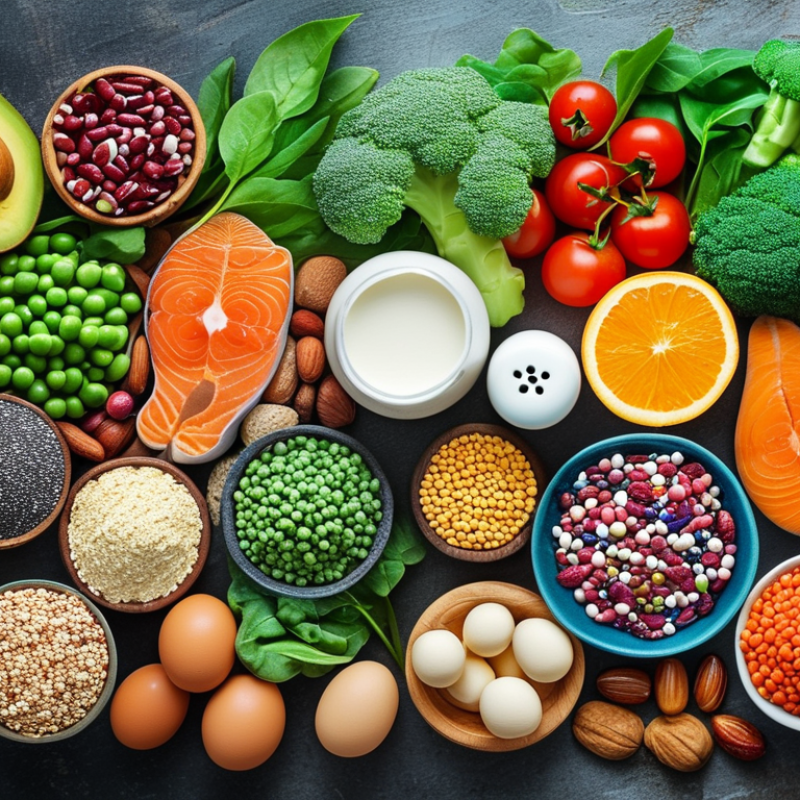
Best Vegetarian Diet Supplements: An Overview
The demand for vegetarian diet supplements is steadily rising, driven by increased awareness about health and nutrition. According to a report from the International Food Information Council, about 40% of adults in urban areas are exploring plant-based diets. This trend highlights the growing need for safe and effective supplements that cater to vegetarian lifestyles.
Many vegetarians face challenges in obtaining adequate nutrients, such as Vitamin B12, iron, and omega-3 fatty acids. Research indicates that nearly 50% of vegetarians may experience deficiencies in these essential nutrients. Hence, specific supplements become crucial for maintaining optimal health. Supplements made from algae, for instance, can provide a sustainable source of omega-3 fatty acids, addressing a common shortfall.
However, not all supplements are created equal. It’s vital to choose options backed by scientific research. The absence of regulations in the supplement industry can lead to inconsistencies. Many products lack mandatory testing, which raises questions about their efficacy and safety. Engaging with reputable sources and verifying claims remains essential for informed choices.
Key Nutrients Lacking in Vegetarian Diets
Vegetarian diets can provide numerous health benefits. However, they may also lack essential nutrients. Understanding what these nutrients are is crucial for maintaining overall health.
One key nutrient often missing in vegetarian diets is protein. While plant-based sources like beans and legumes are available, they may not provide all essential amino acids. Vegetarians need to pay attention to their overall protein intake. Another common deficiency is vitamin B12, which is primarily found in animal products. This vitamin is vital for nerve function and DNA production. Without adequate B12, individuals may experience fatigue and cognitive issues.
Iron is another essential mineral that vegetarians may lack. While spinach and lentils offer some iron, the body absorbs plant-based iron less efficiently than that from meat. Incorporating vitamin C-rich foods can help with this absorption. Additionally, omega-3 fatty acids are often underrepresented in vegetarian diets. These fatty acids support heart health and brain function. Consider incorporating flaxseeds or chia seeds as alternatives. Vegetarian diets can be healthy, but they require careful planning to ensure all nutrient needs are met.
Top Vegetarian Supplement Types and Their Benefits
Vegetarian diets can be rich in nutrients, but sometimes they lack essential elements. This is where vegetarian supplements come in. Popular supplement types include plant-based protein powders, omega-3 fatty acids, and B12 vitamins. These can help fill nutritional gaps in a plant-based diet.
Plant-based protein powders are valuable for muscle recovery. They provide a convenient protein source. Many vegetarians struggle to meet their protein needs solely through food. Omega-3 fatty acids are crucial for brain health. They are often found in fish oils, but vegetarian sources like algae oil are available. These options ensure vegetarians receive these important fats.
B12 is often overlooked. It is vital for nerve function and DNA production. Many vegetarians may not get enough from their diet alone. Fortified foods and supplements can help. Still, it's important to assess dietary needs individually. Not everyone requires the same supplements. Balancing whole food sources with supplements can create a well-rounded vegetarian diet. Individual reflection on dietary choices is essential for overall health.
Guidelines for Choosing Quality Vegetarian Supplements
Choosing quality vegetarian supplements requires careful consideration. The market for these supplements has grown significantly, reaching a projected $5.3 billion by 2027. With this expansion, it's vital for consumers to ensure the supplements they select meet high standards.
Start by examining the ingredient list. Look for recognizable, whole food ingredients. Research indicates that supplements containing plant-based sources of vitamins and minerals are often more bioavailable. For example, iron from plant sources is less easily absorbed than from animal products. Therefore, it's crucial to choose supplements fortified with vitamin C to enhance iron absorption.
Additionally, third-party testing is essential. Certifications from reputable organizations enhance credibility. A report from the Council for Responsible Nutrition states that consumers should look for products verified through NSF International or the US Pharmacopeia. These certifications assure you are getting quality products. Transparency is key. Brands should provide detailed information on sourcing and production methods. Reflect on the growing demand for transparency, as many customers now prefer companies that openly share their manufacturing processes. This need for clarity is reshaping the industry.
Global Market Trends for Vegetarian Supplements
The global market for vegetarian diet supplements is evolving rapidly. More individuals are adopting vegetarian lifestyles for health and environmental reasons. This has led to a significant increase in the demand for supplements that cater to vegetarians. Key nutrients such as vitamin B12, iron, and omega-3 fatty acids are crucial for individuals avoiding animal products. Consumers are seeking supplements that are derived from plant-based sources.
As awareness grows, companies are responding with innovative products. Plant-based proteins and herbal supplements are taking center stage. However, consumers must be cautious in their selections. Not every product marketed as vegetarian is necessarily healthy or effective. It's essential to research ingredients and sourcing. Transparency is vital in building trust with customers.
The trend of veganism and vegetarianism is not just a fad. It indicates a significant cultural shift toward ethical and sustainable dietary choices. Yet, this shift could make it challenging for some to view vegetarian supplements as a dependable path to health. Education and clear labeling will play critical roles in shaping perception and ensuring informed choices. The journey ahead is complex but filled with potential for growth.