
1-208-754-4884

Top 10 Insights on Breaking Capacity of RCDs for Buyers

Understanding the Breaking Capacity Of Rcds (Residual Current Devices) is essential for buyers in the electrical industry. As Robert Thompson, a leading expert in electrical safety, stated, "The breaking capacity of RCDs can make or break a safety installation." This insight highlights the importance of selecting the right product to ensure not just compliance but also safety.

RCDs protect against electrical shocks and prevent electrical fires. However, their effectiveness hinges on their breaking capacity—how much fault current they can interrupt. An inadequate breaking capacity may lead to catastrophic failures during malfunctioning scenarios. Buyers must grasp the nuances of this specification to make informed choices.

Tackling the complexities of the breaking capacity of RCDs requires careful consideration. Many buyers may overlook this critical parameter in favor of cost or brand recognition. However, understanding the exact requirements for specific installations can prevent dire consequences. The right choice hinges on detailed knowledge, rather than superficial metrics.
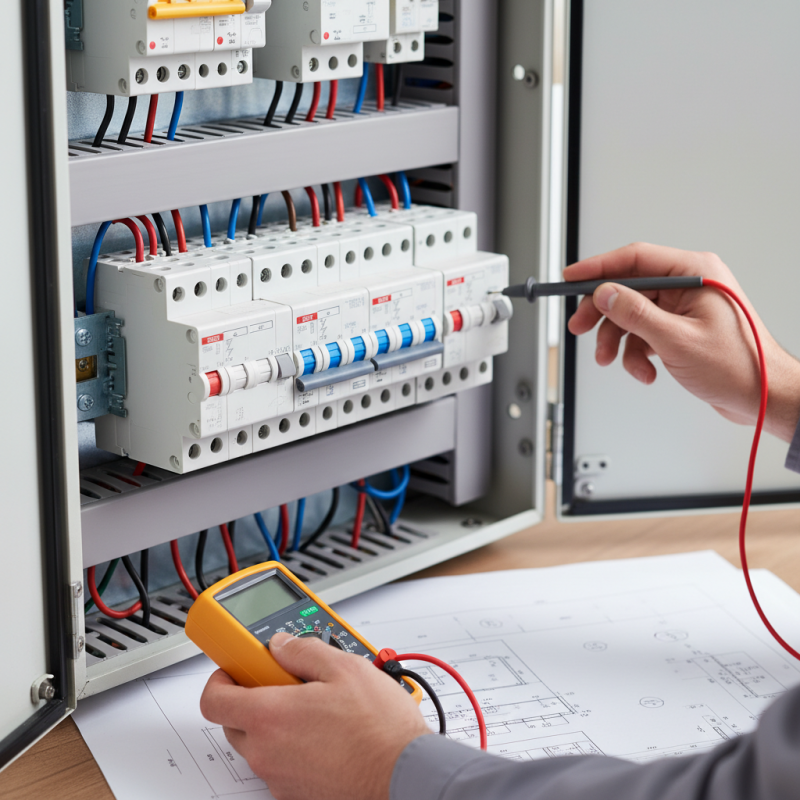
Top 10 Insights on Breaking Capacity of RCDs for Buyers

Understanding Residual Current Devices (RCDs) and Their Functionality

Residual Current Devices (RCDs) play a critical role in electrical safety. They protect against electric shocks and electrical fires by detecting imbalance in electrical current. When an imbalance occurs, RCDs swiftly disconnect the circuit, thus preventing harm. Understanding how RCDs function is essential for anyone involved in electrical installations or maintenance.

The breaking capacity of an RCD is a vital specification. It determines how much fault current an RCD can handle before it trips. For buyers, this means having equipment that can effectively manage electrical faults in various environments. Misjudgment in selecting RCDs could lead to inadequate protection, risking safety. Buyers need to prioritize RCDs with appropriate breaking capacities based on their specific applications.

Choosing the right RCD involves more than just breaking capacity. Factors like the type of electrical installation and expected loads matter. Some RCDs may not trip under certain fault conditions. It's essential for users to regularly test their devices to ensure functionality. Also, understanding local regulations can guide buyers in making informed choices.

Key Factors Influencing the Breaking Capacity of RCDs

When considering Residual Current Devices (RCDs), breaking capacity is a crucial factor. This capacity refers to the maximum fault current that the device can interrupt safely. High breaking capacity ensures protection against electrical shocks and reduces fire risks. Buyers should pay attention to the local electrical conditions and potential fault currents in their installations. Understanding these variables helps in selecting the right RCD.

Installation plays a significant role in the effective performance of RCDs. Improper setup can lead to malfunctions. It's essential to adhere to local standards and regulations. Conducting regular maintenance checks also influences effectiveness. Users may overlook these details, which can jeopardize safety.

Additionally, environmental factors should not be ignored. Humidity, temperature, and dust levels can affect the reliability of RCDs. Buyers often underestimate these elements, risking the device's performance over time. Understanding the surroundings in which the RCD will operate is vital for ensuring safety and longevity.

How to Determine the Adequate Breaking Capacity for Your Needs

When selecting Residual Current Devices (RCDs), understanding breaking capacity is essential. Breaking capacity refers to the maximum fault current that an RCD can interrupt without failing. This threshold is crucial for system safety and reliability. If the breaking capacity is too low, the RCD may not effectively protect circuits during faults.


To determine the adequate breaking capacity, consider the specifics of your electrical installation. Evaluate the potential fault currents based on the upstream protection system. This might include consulting with a qualified electrician. Each circuit’s load requirements should also be analyzed. A mismatch can lead to equipment damage or system failures.


Reflect on your premises and existing infrastructure. Are you planning any upgrades or expansions? These changes can significantly affect the RCD's performance and requirements. While the theoretical aspects are straightforward, real-world applications often present complexities. Gathering data is vital, but be prepared for unexpected variables. Always prioritize safety and consult with professionals when in doubt.

Common Misconceptions About RCD Capacity and Protection Levels

When it comes to Residual Current Devices (RCDs), misconceptions often cloud buyers' understanding. Many believe that a higher breaking capacity always means better protection. However, this isn’t the case. The breaking capacity should match the specific applications and the environment where the RCD will be installed. An unnecessarily high capacity can lead to confusion about protection levels and performance.

One common myth is that all RCDs provide the same level of safety. In reality, the type of RCD and its rating greatly impact safety outcomes. Buyers should consider the specific electrical loads and risks associated with their environment. This can prevent overestimation of safety and ensure optimal functionality.

**Tip:** Always consult an electrical professional before purchasing. This will provide clarity on your needs and the best options available.

Understanding the nuances of RCDs can help buyers avoid pitfalls. For instance, not all RCDs respond equally to different fault currents. This reflects a need for careful selection based on real-world conditions.

**Tip:** Review the testing history of any RCD you consider. Look for compliance with relevant safety standards. This ensures reliability and performance in critical situations.

Top 10 Insights on Breaking Capacity of RCDs for Buyers

Insight Number Common Misconception Correct Understanding Protection Level
1 Higher breaking capacity equals better protection. Breaking capacity indicates the maximum fault current but does not guarantee overall protection effectiveness. Depends on installation specifics.
2 All RCDs have the same breaking capacity. RCD braking capacity varies significantly by design and manufacturer. Ranges from 6 kA to over 25 kA.
3 RCDs do not require regular testing. RCDs should be tested regularly to ensure effective operation and capacity. Periodic testing every 6 months is recommended.
4 Higher current ratings lead to increased safety. Safety is determined by appropriate system matching rather than just higher ratings. Specific to application.
5 All electrical installations are adequately protected with standard RCDs. Custom installations may require RCDs with higher breaking capacity. Application specific.
6 Only residential RCDs are necessary. Industries often need specialized RCDs with higher ratings. Varies extensively by sector.
7 RCDs can be relied on for all fault types. RCDs are primarily for earth fault protection, not other fault types. Earth fault protection.
8 RCDs are interchangeable regardless of application. Each application may need a specific rated RCD for appropriate protection. Dependent on environment.
9 A higher number indicates more features. Not all features equate to safety or utility enhancement. Features vary across models.
10 RCDs are too complex for non-experts. Basic understanding and guidance can aid proper selection and use. User-friendly options available.

Evaluating RCD Options: What Buyers Should Look For

When evaluating RCD options, buyers must prioritize certain factors. Understanding breaking capacity is crucial. This value indicates how much current an RCD can safely interrupt in case of a fault. Buyers should carefully analyze this specification. A higher breaking capacity ensures greater safety in various environments.

Different applications require different breaking capacities. For residential use, lower capacities might suffice. However, commercial settings often demand higher limits. Buyers need to consider the maximum fault current that might occur. Analyzing installation sites and potential electrical loads is essential. Not paying attention can lead to underperformance and safety risks.

Buyers should also evaluate the RCD's testing features. Some models provide built-in self-test capabilities. This ensures reliability over time. Maintenance needs to be manageable and straightforward. A complex device can lead to accidental disengagement or neglect. Knowing the limits and strengths of each option helps make informed decisions.