Why Choose a DC High Pressure Pump for Your Applications?
When considering a high-performance solution for demanding applications, the "Dc High Pressure Pump" stands out as a reliable choice. Its design optimizes efficiency while ensuring durability in challenging environments. These pumps are engineered to deliver consistent pressure, making them ideal for various industrial uses.
In applications like cleaning, hydrostatic testing, and inkjet printing, a DC High Pressure Pump provides the needed force and reliability. Users often report improved performance and reduced downtime. However, selecting the right pump can be complicated. Factors like pressure requirements, fluid compatibility, and system design play a significant role.
Experienced professionals recognize the importance of understanding these parameters. Choosing the wrong pump can lead to inefficiencies and increased costs. Thus, a thorough evaluation of application needs should precede the investment in a DC High Pressure Pump. An informed decision ensures optimal performance and longevity of the system.
Advantages of Using DC High Pressure Pumps in Various Applications
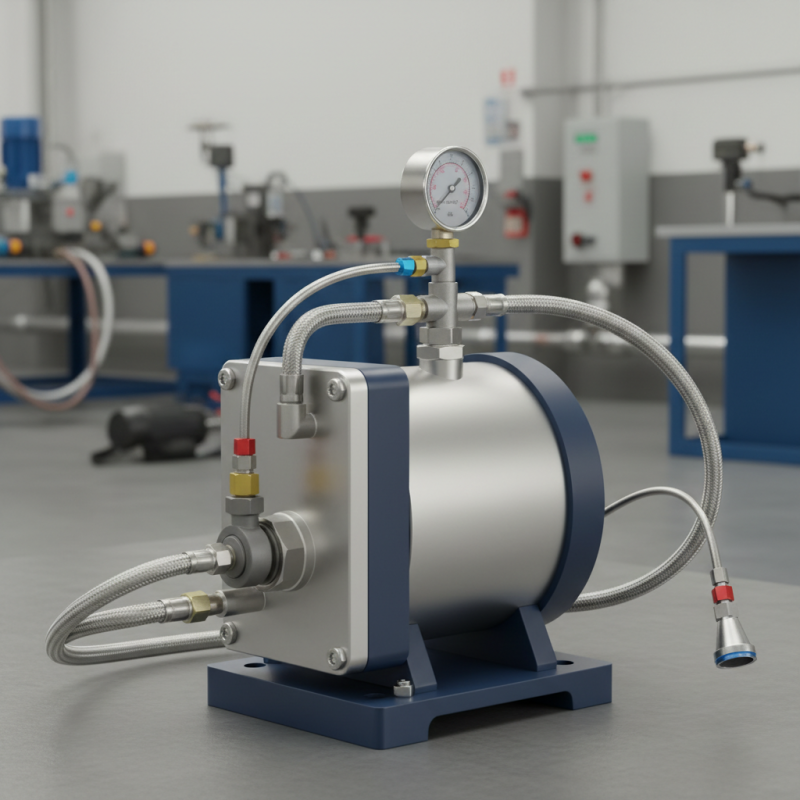
DC high pressure pumps have gained traction across various industries due to their numerous advantages. These pumps deliver reliable performance in challenging environments, making them ideal for applications that require precision. One major benefit is their energy efficiency. Compared to traditional pumps, DC high pressure pumps consume less power while maintaining high performance. This translates to lower operational costs and minimal environmental impact.
In addition, the compact design of DC high pressure pumps allows for easy installation in confined spaces. They can be integrated into existing systems with minimal modifications. This versatility makes them suitable for a wide range of applications, from water treatment to industrial cleaning. Users often appreciate their low noise operation, which is a significant advantage in residential or sensitive environments.
Tips: Consider the specific requirements of your application before selecting a pump. Evaluate factors like flow rate, pressure rating, and energy consumption. This can lead to better long-term performance. Regular maintenance is also crucial. A well-maintained pump tends to last longer and perform better. Keep an eye on its operational parameters to detect any discrepancies early.
Understanding the Mechanism of DC High Pressure Pumps
DC high pressure pumps operate on a fundamental principle of converting electrical energy into mechanical energy. This transformation occurs within a sealed chamber, using a rotor to create pressure. Variations in design lead to differing flow rates and pressures, catering to diverse applications. The efficiency of these pumps can exceed 90%, aligning with data indicating that optimized designs improve operational performance significantly.
Research highlights that industries utilizing DC high pressure pumps often experience enhanced precision in fluid delivery. For instance, in hydraulic applications, the pressure output remains consistent with minimal fluctuations. This consistency is crucial in scenarios requiring reliable flow, such as in precision cleaning processes or inkjet printing systems. Yet, it’s noteworthy that improper operational parameters can lead to degradation over time, affecting reliability.
The scalability of DC high pressure pumps ensures adaptability across various sectors. However, users must consider installation environments that can influence pump longevity. Data from the International Pumps Association suggests more than 15% of failures arise from environmental stressors. Maintenance protocols play a vital role in mitigating these issues, emphasizing the importance of regular assessments. This calls for continuous reflection on usage patterns and adherence to best practices in operational settings.
Why Choose a DC High Pressure Pump for Your Applications? - Understanding the Mechanism of DC High Pressure Pumps
| Feature | Description | Applications | Advantages |
| High Pressure Capability | Can operate at pressures up to 600 psi. | Industrial Cleaning, Water Jet Cutting | Efficient liquid transfer with minimal energy loss. |
| Versatility | Suitable for a wide range of liquids, including corrosive fluids. | Chemical Processing, Food Industry | Flexible installation and customized configurations. |
| Energy Efficiency | Low power consumption compared to traditional pumps. | Agriculture, HVAC Systems | Cost savings on energy bills over time. |
| Compact Design | Space-saving and lightweight for easy installation. | Portable Applications, Vehicle Systems | Ideal for mobile and constrained environments. |
| Durability | Built with robust materials for long-lasting performance. | Mining, Oil & Gas | Reduced maintenance and downtime costs. |
Key Factors to Consider When Selecting a DC High Pressure Pump
When selecting a DC high pressure pump, several key factors come into play. The application’s specific requirements significantly influence the choice. For instance, flow rate and pressure specifications are essential. According to a report from the International Journal of Pump Engineering, pumps must meet the flow rate demands of the system to function effectively. A mismatch can lead to inefficiencies and potential equipment failure.
Material compatibility is another vital consideration. The pump's material should withstand the fluid's chemical properties. For instance, corrosive substances can degrade inappropriate materials over time. In a study by the American Society of Mechanical Engineers, over 30% of pump failures stem from improper material selection. Additionally, energy efficiency cannot be overlooked. A well-chosen pump can save operational costs by reducing energy consumption.
Reliability is crucial as well. Selecting pumps with proven performance history can mitigate risks. A pump’s duty cycle should match its operational conditions to avoid premature wear. Yet, even with thorough research, unexpected outcomes can arise. Users must remain vigilant and ready to adjust. This dynamic process often leads to improved performance metrics in the long run.
Common Applications for DC High Pressure Pumps in Different Industries
DC high pressure pumps are versatile and efficient, making them ideal for various applications across multiple industries. In the automotive sector, these pumps often deliver high-pressure fluids for washing and cleaning. The precision of DC pumps ensures that dirt and grime are effectively removed, ensuring vehicles maintain their appearance. They are also used for lubricating systems, where consistent pressure helps keep engines running smoothly.
In the agricultural industry, DC high pressure pumps facilitate irrigation systems. They deliver water efficiently, powering drip irrigation or spraying pesticides. This helps improve crop yield. Additionally, in the manufacturing sector, these pumps assist in various processes. They are integral to systems that require the precise transfer of fluids, whether for cooling machinery or processing materials. The ability to adapt to different needs is a significant advantage.
However, users should be aware of potential limitations. Not all pumps perform well in extreme conditions. Some systems may require additional adjustments for optimal functioning. Ensuring proper maintenance is crucial, as wear over time can impact performance. Understanding these factors can lead to better decision-making for your application needs.
Maintenance and Troubleshooting Tips for DC High Pressure Pumps
DC high pressure pumps are vital in various applications, yet they require regular maintenance. Understanding common issues can improve performance and longevity. Low pressure is often tied to inlet blockages or worn impellers. Regular inspections can identify these concerns early.
Another common problem is overheating. Overheating can stem from insufficient coolant or environmental factors. Ensure the pump has adequate ventilation. Dirty filters can also restrict airflow, leading to heat buildup. Clean filters frequently to prevent this issue.
Connection leaks pose another challenge. Tighten all joints regularly and use appropriate sealing methods. A leak not only wastes resources but also indicates potential pump failure. Addressing leaks quickly can save time and money in repairs. Regular monitoring and proactive maintenance are critical for optimal performance.