How to Choose the Best Aluminum Enclosure for Your Project?
When embarking on a project that requires an Aluminum Enclosure, the choice can be overwhelming. Various factors influence the decision, including size, material quality, and design. The right enclosure not only protects your components but also enhances the project's overall functionality. Choosing the wrong one, however, can lead to frequent failures or safety risks.
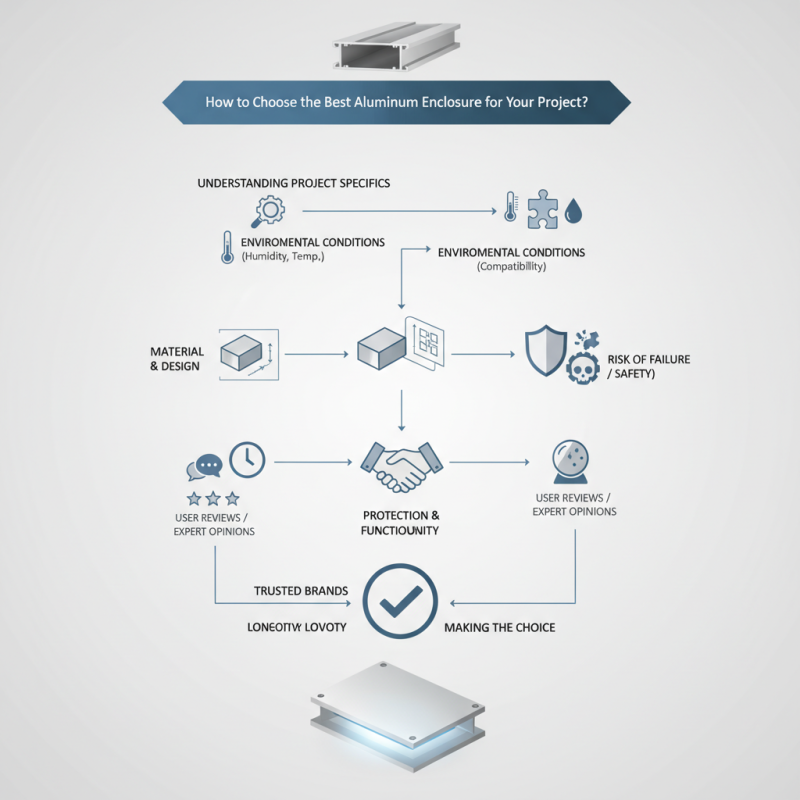
Understanding the specifics of your project is essential. Consider environmental conditions, such as humidity or temperature variations, which could affect the enclosure’s performance. An adequate Aluminum Enclosure should withstand these challenges without compromising integrity. Additionally, think about how the enclosure integrates with other components. Compatibility is key to ensuring a seamless project execution.
The importance of trusted brands cannot be overstated. Investing time in research pays off. User reviews and expert opinions will guide you in making a well-informed choice. A reliable Aluminum Enclosure serves not just immediate needs but stands the test of time. Reflect on whether your project’s requirements may change in the future. This foresight can make a significant difference in your selection process.
Understanding the Importance of Aluminum Enclosures in Projects
Aluminum enclosures play a crucial role in protecting electronic components. Their lightweight yet durable nature makes them suitable for various projects, from consumer electronics to industrial applications. These enclosures shield devices from environmental factors such as dust and moisture. They also provide structural integrity, ensuring the longevity of your project.
When selecting an aluminum enclosure, consider the specific needs of your project. Measure the dimensions of your components accurately. An enclosure that is too tight may lead to overheating. On the other hand, excessive space can cause unnecessary movement and potential damage. Ensure thoughtful placement of ventilation holes for heat dissipation. These details are often overlooked but can significantly impact functionality.
Tips: Choose a design that facilitates easy access. This way, you can perform maintenance or upgrades without hassle. Always prioritize materials that meet your project's environmental demands. Reflect on your initial choices; they affect not just performance but also the overall user experience. A well-chosen enclosure can elevate your project, providing both aesthetic appeal and robust protection.
How to Choose the Best Aluminum Enclosure for Your Project?
| Aspect | Description | Importance |
| Material Thickness | Refers to the thickness of the aluminum used in the enclosure. | Affects durability and protection level against impacts. |
| Size | Dimensions of the enclosure to accommodate your project needs. | Ensures all components fit properly with room for wiring. |
| Ingress Protection (IP Rating) | Level of protection against dust and moisture. | Critical for outdoor or harsh environment applications. |
| Finish | Surface treatment (anodized, painted, etc.). | Affects aesthetics, resistance to corrosion, and wear. |
| Mounting Options | Type of mounting (DIN rail, wall mount, etc.). | Ease of installation and placement in project setup. |
| Ventilation | Design features for airflow and heat dissipation. | Essential for preventing overheating of components. |
Identifying Key Specifications for Your Aluminum Enclosure Needs
Choosing the right aluminum enclosure requires careful consideration of specific needs. Start by identifying the size and dimensions required for your project. Measure your components and ensure you have enough space. This prevents overcrowding and allows for proper ventilation.
**Tips:** Always consider the weight of your projects. Lighter is often better for mobility and ease of installation. Also, double-check your measurements before finalizing your choice. A small error can lead to costly adjustments later.
Next, think about the environment in which the enclosure will operate. Will it be exposed to extreme temperatures or moisture? Select an enclosure with appropriate IP ratings for dust and water resistance. This is crucial for ensuring the longevity of your components.
**Tips:** Research potential heat dissipation needs. Inadequate ventilation can lead to overheating. Consider adding ventilation holes or fans where necessary. It's a common mistake to overlook this aspect, which can jeopardize your project's success.
Understanding Key Specifications for Aluminum Enclosure Selection
Evaluating Different Types of Aluminum Enclosures Available
When selecting the best aluminum enclosure for your project, it’s essential to evaluate the different types available. Aluminum enclosures can vary greatly in terms of design, size, and functionality. Common types include standard box enclosures, rackmount enclosures, and custom-shaped options. The choice often depends on environmental factors, such as moisture and temperature exposure, which can greatly affect performance.
Studies reveal that nearly 40% of project failures stem from improper enclosure choices. Selecting the right enclosure can enhance durability and improve equipment longevity. For example, a study by industry analysts highlights that enclosures made with higher-grade aluminum show better corrosion resistance, especially in coastal environments. Consider how the enclosure's finish and internal structure can influence heat dissipation, which is crucial for preserving electronic components.
Tips: Always assess the project’s specific needs before making a choice. Examine the enclosure’s thermal management capabilities. If your equipment generates heat, choose one with adequate ventilation. Reflect on the ease of installation as well; complicated setups can increase project timelines. Investing time in thorough evaluation can prevent future frustrations.
Comparing Cost vs. Quality in Aluminum Enclosure Selection
When selecting an aluminum enclosure, balancing cost and quality is crucial. High-quality enclosures provide durability but often come with a higher price tag. These durable options typically withstand extreme conditions and protect sensitive components. Companies may cut costs by choosing lower-grade materials, but this can lead to poor performance or an increased failure rate.
Consider the specific needs of your project. If your application requires rigorous environmental protection, investing in a quality enclosure will likely pay off in the long run. For less demanding situations, a cost-effective option may suffice. Evaluate your project's requirements and assess the potential impact of your choice on overall performance and reliability.
It's easy to fall into the trap of choosing the cheapest option available. However, this could result in unexpected costs later. A poor-quality enclosure can lead to component damage, increased maintenance, and even project delays. Reflecting on past experiences teaches us that a well-thought-out investment in quality can save time and resources in the future.
Assessing Environmental Factors for Enclosure Durability and Protection
Choosing an aluminum enclosure involves considering various environmental factors that affect durability. Temperature fluctuations, humidity, and exposure to chemicals can severely impact performance. Corrosion resistance is critical in humid environments. However, even high-quality aluminum may weaken over time without proper treatment.
Tips for assessing your environment: identify potential hazards first. If your project is near the ocean, consider saltwater exposure. This can lead to accelerated corrosion. Careful selection of protective coatings may also enhance longevity. Be aware that not all coatings are created equal. Research the best choices for your specific conditions.
Evaluate how UV light exposure might wear down an enclosure. Aluminum is more resilient than many materials, but it's not impervious. Regular inspections can help catch potential issues early. Don't overlook the importance of ventilation. In enclosed spaces, heat can build up, causing thermal fatigue. Always plan ventilation solutions to maintain a stable internal temperature.