2026 How to Choose the Best Perforated Mesh Machine?
Choosing the right Perforated Mesh Machine is critical for various industries. This equipment plays a vital role in enhancing productivity and quality. Recent industry reports indicate that the global perforated metal market is projected to grow at a CAGR of over 6% from 2021 to 2026. Such data underscores the importance of selecting the right machinery.
A well-chosen Perforated Mesh Machine can improve efficiency and reduce waste. However, not every machine meets industry standards. Different machines come with unique features and capabilities. It is essential to examine not only the price but also the quality and reliability. In some cases, cheaper options lead to higher long-term costs due to maintenance issues.
Investing in the right machine can yield significant benefits. It offers improved production rates and better material usage. Yet, businesses must acknowledge that no machine is flawless. Regular maintenance and operator training are crucial for optimal performance. Failing to prioritize these aspects may result in undesirable outcomes.
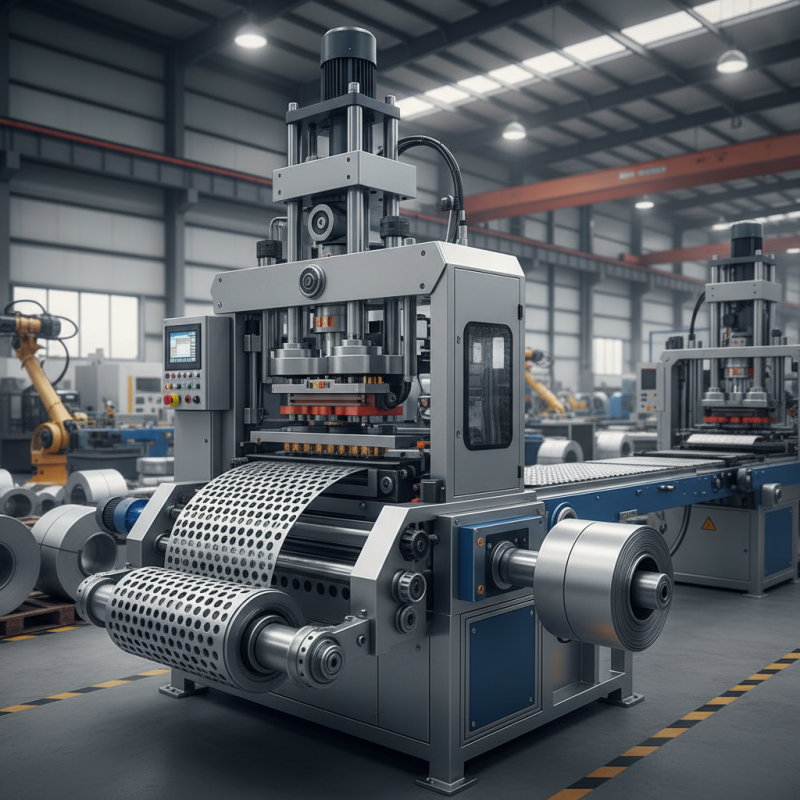
Importance of Perforated Mesh Technology in Various Industries
Perforated mesh technology plays a crucial role across various industries. According to a recent market report, the global perforated metal market is projected to reach $3.5 billion by 2025. This growth can be attributed to its versatility and efficiency in applications like filtration, architecture, and automotive manufacturing. In construction, perforated metals are used for facades, allowing for aesthetic design while providing ventilation. The blend of functionality and design is increasingly sought after.
In the filtration industry, perforated mesh provides essential support. This technology allows for better fluid flow while trapping unwanted particles. A study from the American Society for Testing and Materials highlights that materials with precise hole patterns improve filtering efficiency by up to 30%. Such advancements do not come without challenges. Ensuring the right balance between mesh size and strength requires in-depth testing. This is often overlooked, leading to inefficiencies.
Furthermore, the environmental benefits of using perforated mesh are significant. Lightweight materials reduce energy consumption during manufacturing and transportation. However, finding sustainable sources for these materials remains a challenge. As industries push for greener technologies, this gap in sustainable production practices must be addressed. Balancing cost, durability, and eco-friendliness will define the future of perforated mesh applications.
Key Factors to Consider When Selecting a Perforated Mesh Machine
Choosing the right perforated mesh machine hinges on several key factors. The first consideration should be the machine's capabilities. Different models offer varying sizes and configurations of perforations. It's essential to evaluate your production needs. For instance, if your focus is on small-scale production, a compact model may suffice. Conversely, larger operations may require a more robust machine with higher efficiency.
Material compatibility is another crucial factor. The machine should efficiently handle the materials you plan to use, whether they are metal, plastic, or other composites. According to industry reports, machines designed for specific materials often outperform generic models in terms of precision and durability. Always check for specific material handling specifications.
Tip 1: Assess the machine's maintenance requirements. A complex machine may require frequent servicing, impacting productivity.
When selecting a perforated mesh machine, consider the technological features. Modern machines often integrate advanced automation and control systems. These features can significantly enhance production precision and speed. A report from the Manufacturing Technology Association indicates that increased automation can improve output by up to 30%.
Tip 2: Look for demo opportunities. Testing the machine can highlight performance capabilities and potential limitations.
Reflecting on your specific needs, it's wise to weigh the pros and cons of each option. Not every machine will be a perfect fit, and some may fall short of expectations. Prioritize features that align closely with your operational goals.
Comparison of Different Types of Perforated Mesh Machines Available
When selecting a perforated mesh machine, it’s vital to understand the different types available. Each type serves unique purposes and offers varying features. For instance, rotary machines provide high-speed perforation, ideal for mass production. Alternatively, static machines excel in precision and detail for smaller batches. It’s essential to consider the application before choosing a machine.
Another crucial factor is the material compatibility. Perforated mesh machines can handle stainless steel, aluminum, and even plastics. Each material requires specific settings for optimal performance. Not all machines excel in versatility. Some may struggle with harder materials while being perfect for softer ones. This inconsistency can affect production quality, leading to costly errors.
Assessing user-friendliness is essential. Complicated interfaces can slow down workflows. A machine easy to operate saves time and training costs. However, simple machines might lack advanced features, which can be limiting. Always weigh the ease of use against required capabilities. Once you identify the right features, achieving a balance becomes easier.
Analysis of Performance Metrics for Mesh Production Efficiency
When selecting a perforated mesh machine, performance metrics are crucial. Understanding these metrics helps manufacturers boost mesh production efficiency. Key performance indicators include throughput, accuracy, and downtime. A machine's throughput indicates how quickly it can produce mesh. High accuracy ensures the final product meets specifications. Minimizing downtime is essential for maintaining productivity.
Tips for evaluating throughput: Review historical data of similar machines. Check user feedback on speed and reliability. Always measure performance in real production scenarios. Even minor design flaws can lead to low output, making this a vital consideration.
Accuracy directly impacts product quality. Machines with advanced sensors typically outperform older models. However, keep in mind that technological upgrades might lead to steep learning curves for operators. Invest time in training to avoid costly mistakes.
Downtime can significantly hinder efficiency. Regular maintenance is necessary. Be cautious of machines that seem low-cost but require frequent repairs. Balancing initial costs with long-term reliability is essential. Reflect on your operational needs; sometimes, more features can mean complicated usage. Careful consideration of these factors yields better production outcomes.
Performance Metrics for Perforated Mesh Machines
Cost-Benefit Analysis of Investing in Advanced Perforated Mesh Equipment
When considering the investment in advanced perforated mesh equipment, a thorough cost-benefit analysis is essential. The projected growth of the perforated mesh market suggests a compound annual growth rate (CAGR) of around 5.8% over the next few years. Such data implies that investing wisely can yield substantial returns. Businesses often find that high-quality machines improve production efficiency and enhance product quality, leading to increased sales.
However, the initial outlay for advanced equipment can be quite significant. It often leads to concerns about payback times. According to industry reports, companies can expect to recoup their investment within 2 to 4 years, depending on production volume and operational efficiencies gained. Equipment that offers durability and precision significantly reduces maintenance costs over time. Still, the challenge lies in evaluating potential overestimations in projected savings and returns.
A reliance solely on performance metrics can be misleading. Periodic reassessment of goals and equipment performance is vital. As market demands shift, flexibility is key. Continuous training and employee engagement with advanced technologies are necessary but can introduce unexpected costs. Balancing these factors can lead businesses to make informed decisions that align with their long-term strategies.
2026 How to Choose the Best Perforated Mesh Machine? - Cost-Benefit Analysis
| Feature | Description | Cost | Benefits |
| Material Compatibility | Compatible with various metals and plastics | $20,000 | Increased production versatility |
| Hole Size Customization | Adjustable hole sizes for specific applications | $15,000 | Enhanced product performance |
| Automation | Includes automated feeding and cutting | $30,000 | Reduced labor costs and improved efficiency |
| Maintenance | Low maintenance requirements with easy access | $10,000 | Longer machine lifespan and uptime |
| Energy Efficiency | Designed for low energy consumption | $12,000 | Lower operational costs |