How to Choose Industrial Display Solutions in 2026?
Choosing the right Industrial Display solutions in 2026 is crucial for businesses. The industrial display market is evolving rapidly. With technology advancing and user needs changing, it can be daunting to make an informed choice.
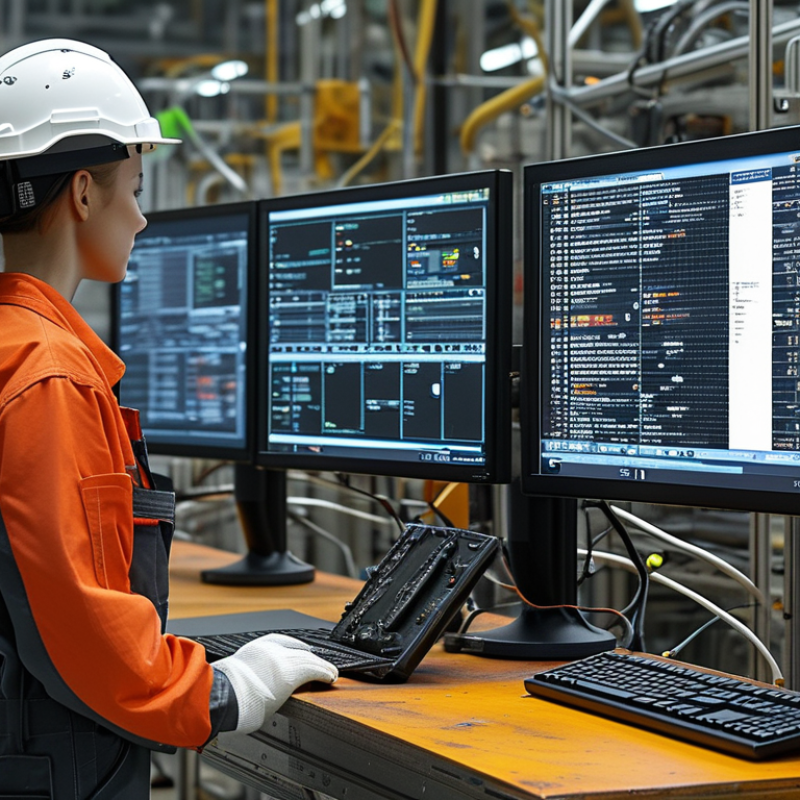
Industrial displays are essential for various applications, including manufacturing, automotive, and healthcare. Each sector demands unique features. Understanding these needs can seem overwhelming. As industries face new challenges, selecting the right display system becomes important for efficiency and productivity.
Quality matters. It’s vital to focus on reliability and performance. Consider factors such as resolution, brightness, and durability. Investing in the right technology will lead to better outcomes. There may be obstacles in navigating options. Companies should address their specific requirements. Keeping up with trends can help businesses make better decisions.
Factors to Consider When Selecting Industrial Display Solutions
Choosing the right industrial display solutions in 2026 requires careful consideration of several key factors. One important aspect is the environment where the display will be used. Factors such as temperature, humidity, and exposure to dust or chemicals can affect performance. Displays intended for harsh conditions must be ruggedized. Users should consider the potential for screen damage in these settings.
Resolution and clarity are also critical. A high-resolution display improves visibility, especially for intricate data presentations. Assessing the viewing distance is necessary. Large screens may need different specifications compared to smaller units. Additionally, consider the ease of installation and maintenance. Complexity can lead to increased downtime.
Connectivity options should not be overlooked. Various industrial applications require different interfaces. Look for flexibility in connectivity to ensure compatibility with existing systems. Lastly, remember to evaluate long-term support. Reliable service and easy access to replacement parts are vital for maintaining operational efficiency. These considerations can seem overwhelming. However, taking the time to analyze each factor will lead to better decision-making.
Types of Industrial Displays: Comparing Technologies and Features
When selecting industrial display solutions in 2026, understanding the types of industrial displays is crucial. Technologies vary significantly, influencing performance and suitability for specific applications. LCD, LED, OLED, and e-paper are leading contenders in today's market. According to a recent industry report, the global industrial display market is projected to reach $18 billion by 2026, with an annual growth rate of over 7%.
LCD displays are widely popular due to their clarity and cost-effectiveness. They offer vibrant images, making them ideal for control rooms and factory floors. However, they can struggle with visibility under direct sunlight. Conversely, LED displays shine brighter and often last longer. This technology is increasingly favored in outdoor settings. Nonetheless, their higher investment costs can deter businesses on tight budgets.
OLED displays boast superior contrast and quicker response times. They can adapt well to varied lighting conditions. Yet, they are less common in industrial applications due to concerns over longevity. E-paper, while not as dynamic, excels in energy efficiency and is perfect for static information. Balancing these technologies with application-specific needs and budget constraints requires thoughtful consideration.
Assessing Environmental Conditions for Industrial Display Use
Choosing the right industrial display solutions in 2026 requires careful consideration of environmental conditions. Factors like temperature, humidity, and dust levels can significantly impact display performance. According to a recent industry report, displays operating in extreme temperatures (below -20°C or above 50°C) can experience reduced lifespan and reliability.
When assessing the environment, consider the location. Indoor settings often have controlled temperature and humidity, compared to outdoor applications subject to direct sunlight and weather fluctuations. The latter requires displays with high brightness and protective coatings. For instance, displays with IP65 ratings are suitable for dusty and wet environments.
**Tips:** Always evaluate if your space has high levels of vibration. This can damage sensitive electronics over time. Invest in ruggedized displays for such conditions. Also, frequent cleaning should be part of maintenance. Dust buildup can also affect visibility and sensor functionality, leading to operational issues.
Consulting with industry experts can provide crucial insights. Their knowledge helps in making the best choice. By understanding your specific environmental conditions, you can select displays that improve productivity and ensure longer service life.
Evaluating Cost versus Performance in Display Solutions
Choosing the right industrial display solutions requires careful evaluation of cost and performance. Many businesses aim for high-quality displays that fit their budget. However, this balance can be tricky. What works best for one industry may not apply to another. Therefore, businesses must assess their specific display needs.
Performance metrics include resolution, brightness, and durability. A higher resolution may enhance visibility, but it often comes with a higher price tag. Brightness is crucial for outdoor displays, while durability matters in harsh environments. Analyze how these factors influence your operations. This isn't a one-size-fits-all situation.
Budget constraints often limit options. Businesses must ask if investing in premium displays is worth it. Could a more affordable solution meet their needs? This reflection involves understanding long-term costs versus initial investments. Sometimes, settling for less can lead to unexpected challenges in the future. Making the right choice requires a blend of analysis, experience, and sometimes, a willingness to learn from past mistakes.
Cost vs Performance of Industrial Display Solutions in 2026
Future Trends in Industrial Display Technologies for 2026
In 2026, the landscape of industrial display technologies is set to evolve dramatically. Businesses must adapt to these changes to optimize efficiency and enhance user experience. One emerging trend is the integration of augmented reality (AR) into display solutions. This technology can overlay digital information onto physical environments, offering real-time data to users in their workflow. The ability to visualize complex processes will likely revolutionize training and maintenance tasks.
Touch-sensitive displays are also becoming increasingly popular. They allow operators to interact seamlessly with data, making operations more intuitive. However, the durability of such screens under industrial conditions remains a concern. Manufacturers are tasked with creating displays that withstand extreme environments while retaining functionality. There is a delicate balance between advanced features and practical usability that hasn’t been fully realized yet.
Energy efficiency will be another critical factor in selecting displays. Emerging technologies like organic light-emitting diodes (OLED) promise lower power consumption. Yet, the longevity and performance under varied lighting conditions need more testing. As industries push for more sustainable practices, finding displays that meet these demands will require careful consideration. The future of industrial displays holds great promise, but the path forward is filled with challenges that need addressing.
How to Choose Industrial Display Solutions in 2026?
| Display Technology | Key Features | Industry Applications | Expected Growth (2026) |
| LED Displays | High brightness, energy-efficient, long lifespan | Manufacturing, Transportation, Retail | 15% CAGR |
| LCD Displays | Wide viewing angles, good color accuracy, cost-effective | Healthcare, Education, Logistics | 8% CAGR |
| OLED Displays | Vivid colors, thin and flexible design, high contrast | Telecommunications, Automotive, Digital Signage | 20% CAGR |
| MicroLED Displays | High resolution, self-emissive, low power consumption | Aerospace, Military, Advanced Automotive | 25% CAGR |
| E-Paper Displays | Extremely low power, sunlight readable, flexible | Retail, Logistics, Smart Labels | 10% CAGR |