Why Choose O Ring Face Seal for Your Applications?
In the world of sealing solutions, the O Ring Face Seal stands out for its unique advantages. According to a report by MarketsandMarkets, the global sealing devices market is projected to reach $66.5 billion by 2025, with face seals becoming increasingly popular in various applications. This rising trend highlights the need for reliable sealing technologies.
O Ring Face Seals provide exceptional reliability in situations where traditional seals may fail. Their design minimizes leakage and contamination risk, especially in industries such as aerospace and automotive. A study by the Society of Automotive Engineers (SAE) indicates a 30% reduction in leakage rates when using O Ring Face Seals compared to conventional seals. This not only saves costs but also enhances performance.
However, the choice of seal must align with specific application needs. Factors like material compatibility and installation conditions should not be overlooked. While O Ring Face Seals offer strong advantages, challenges exist. It is crucial to analyze the application's requirements thoroughly. Thus, understanding both the benefits and potential limitations of O Ring Face Seals is essential when making a choice.
Understanding O Ring Face Seal: Design and Functionality
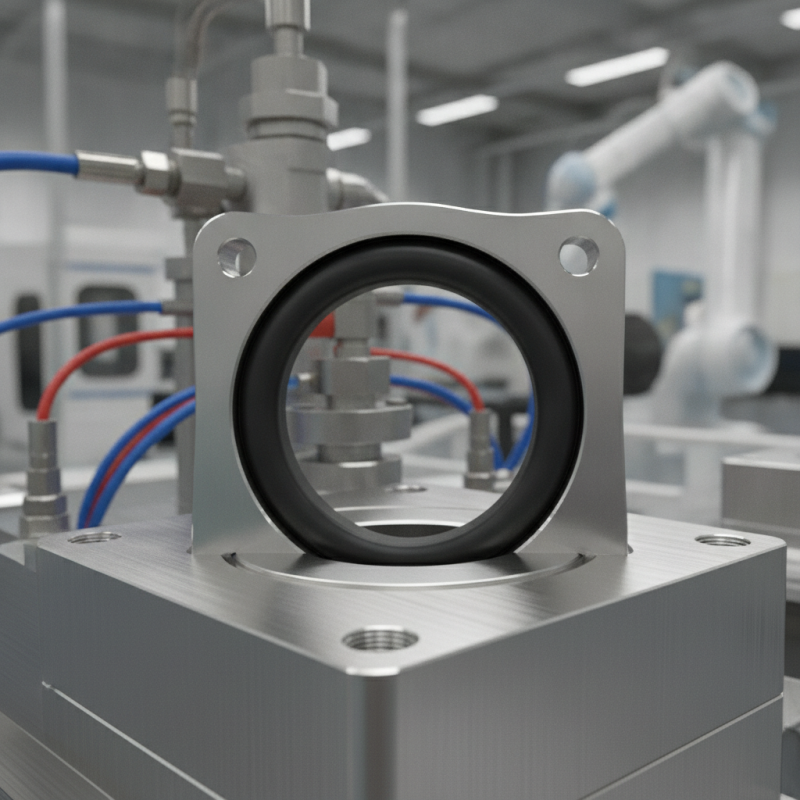
O Ring face seals are essential components in many applications. Their unique design effectively creates a barrier against leakage. The O-rings compress against metal faces, forming a secure seal. This mechanism ensures minimal wear and long service life.
The functionality of O Ring face seals relies heavily on precise engineering. They can withstand high pressures and variable temperatures. Materials are chosen based on specific conditions. This versatility makes them suitable for various industries, from automotive to aerospace. However, improper selection can lead to failures. Maintenance is crucial for longevity.
Understanding the fundamental design and functionality of O Ring face seals is vital. Engineers must evaluate their application requirements carefully. Some might underestimate the importance of small components. A minor flaw can lead to significant issues. Periodic inspections and adjustments are needed to avoid performance drops. Balancing reliability with cost can be challenging. A deeper comprehension can significantly improve application outcomes.
Why Choose O Ring Face Seal for Your Applications?
| Feature | Description | Benefits | Applications |
| Design Flexibility | O ring face seals can be designed in various sizes and shapes to meet specific requirements. | Allows customization to fit diverse applications, enhancing functionality. | Hydraulics, pneumatics, automotive. |
| Low Friction | Designed to minimize friction between sealing surfaces. | Improved efficiency and reduced wear on components. | Machinery, robotics, food processing. |
| Pressure Resistance | Can withstand high internal pressures without leaking. | Reliable operation under various pressure conditions. | Oil & gas, aerospace, nuclear. |
| Temperature Range | Effective in extreme temperatures depending on material selection. | Versatile for various environments and applications. | Heating & cooling systems, automotive engines. |
| Ease of Installation | Simple installation process due to their design. | Reduces downtime and costs during maintenance. | Industrial machinery, piping systems. |
Industry Applications of O Ring Face Seals in Fluid Systems
O ring face seals have become essential in various fluid systems across industries. Their design enables a reliable barrier between components, minimizing leakage. A study suggests that seals can reduce fluid loss by over 50%, significantly cutting operational costs.
In the automotive sector, O ring face seals are critical for hydraulic systems. These seals maintain pressure, allowing brakes and steering systems to function efficiently. The automotive industry relies heavily on effective sealing solutions, as leaks can lead to safety issues.
In aerospace applications, the demand for high-performance seals is even more pronounced. The American Society for Testing and Materials (ASTM) indicates that aerospace fluid systems must withstand extreme temperatures and pressures. O ring face seals meet these rigorous standards, providing reliability in challenging environments. This durability is crucial, especially when failures can have catastrophic implications.
Comparative Analysis: O Ring Face Seal vs. Traditional Sealing Methods
When evaluating sealing methods, O Ring Face Seals present distinct advantages over traditional options. Traditional seals often rely on a static compression to form a barrier. This can lead to issues like leakage under pressure. O Ring Face Seals, however, utilize a dynamic interface. This design minimizes wear and offers a more reliable seal under various operational conditions.
Consider the environment where the seal will operate. O Ring Face Seals thrive in high-pressure and temperature situations. They perform better than many traditional seals, especially where fluid dynamics play a significant role. The material choices for O Ring Face Seals also contribute to their durability. Their versatility makes them suitable for a wide range of applications.
**Tips**: Always assess the material compatibility with the fluids involved. Incorrect choices can lead to seal failure. Regular maintenance checks can help identify wear early, preventing costly downtime. Testing different configurations can also yield a more robust sealing solution. Adaptation and optimization are key to achieving the best results.
Material Selection: Optimizing Performance of O Ring Face Seals
When it comes to O Ring Face Seals, material selection plays a crucial role in optimizing performance. Notably, elastomers are frequently used due to their flexibility and resilience. A study published in a materials science journal highlights that nitrile rubber can withstand pressures of up to 3000 psi. This capability makes it ideal for high-pressure applications like hydraulic systems. However, varying operating conditions can compromise the performance of even the highest quality seals.
Additionally, temperature resistance is another key factor. Silicone, for example, can perform effectively in extreme temperatures, ranging from -60°F to 400°F. This characteristic is essential for applications in harsh environments. Yet, these benefits are accompanied by trade-offs. Silicone seals can be less resistant to certain chemicals, which might lead to failure in some applications.
Moreover, it’s important to consider the wear resistance of materials. An industry report indicates that thermoplastic elastomers (TPEs) excel in this realm, offering longer service life than traditional rubber seals. However, they may not be suitable for all sealing applications, particularly those involving high compression or specific chemical exposures. Balancing these material properties is not straightforward, often requiring extensive testing and data analysis to achieve optimal outcomes.
Material Selection: Optimizing Performance of O Ring Face Seals
Performance Metrics: Reliability and Lifespan of O Ring Face Seals
O Ring face seals are increasingly popular in various applications due to their reliability. When evaluating performance metrics, it's crucial to assess factors such as lifespan and operational stability. The design of O Ring seals allows them to perform under varying pressures and temperatures. This adaptability often translates into extended service life.
Reliability is a pivotal metric. Traditional seals can fail under harsh conditions, leading to leaks and downtime. O Ring face seals perform well in extreme environments, reducing maintenance needs. They are engineered to withstand wear and tear, but they are not immune to degradation. Users should regularly inspect seals for signs of wear, including cracks or swelling.
In practice, the lifespan of O Ring face seals varies based on specific conditions. High temperatures may accelerate breakdown, while chemical exposure can have adverse effects. A proactive approach involves monitoring conditions and scheduling replacements. Though O Ring seals offer strong performance, understanding their limitations is essential to ensure optimal functionality.