Why Choose Rigid Vacuum Insulation Panels for Your Projects?
When considering insulation materials, Rigid Vacuum Insulation Panels (RVIPs) stand out for several reasons. Their unique design provides exceptional thermal performance, making them ideal for various projects. Contractors and architects often seek energy efficiency and durability in their insulation solutions. RVIPs deliver both, offering a solution that meets stringent building codes.
The use of Rigid Vacuum Insulation Panels can reduce energy costs significantly. They require less space than traditional insulation, which can be crucial in design constraints. However, it's essential to evaluate the installation process. While RVIPs are efficient, they can be more complex to handle than standard materials. This complexity could lead to errors if not managed properly.
Experience with Rigid Vacuum Insulation Panels reveals both advantages and challenges. Understanding their properties and limitations can enhance project outcomes. As technology evolves, these panels may become even more integral in sustainable construction practices. Their potential for thermal efficiency remains a focal point for future developments. The current impact of RVIPs emphasizes the need for continuous learning and adaptation within the industry.
Understanding Rigid Vacuum Insulation Panels: An Overview
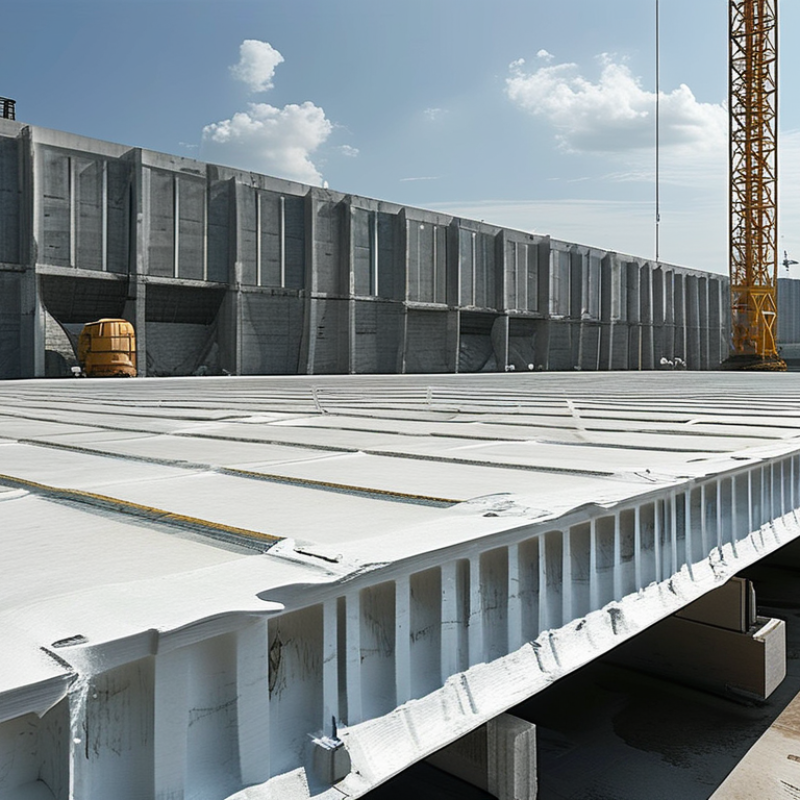
Rigid vacuum insulation panels (VIPs) are an innovative solution for thermal management in construction. These panels are composed of a core material encased in a vacuum-sealed envelope. The absence of air significantly reduces thermal conductivity. Research indicates that VIPs offer thermal resistance values (R-values) much higher than traditional insulation materials. According to the American Society of Testing and Materials (ASTM), VIPs can achieve R-values exceeding 30 per inch. This makes them particularly valuable for applications where space is limited.
The growing importance of energy efficiency drives the demand for rigid vacuum insulation panels. In the building sector, energy consumption accounts for nearly 40% of global energy use. Implementing VIPs can lead to a reduction in energy costs and greenhouse gas emissions. However, it's essential to consider the challenges. VIPs are more expensive than conventional insulation products, and their installation requires careful handling. Damage during installation can compromise performance, which is a critical aspect to address.
Selecting the right insulation method must involve a thorough evaluation of project needs. VIPs are not a one-size-fits-all solution. Their unique properties can lead to exceptional energy savings, but they may not suit every application. Skepticism about their long-term durability and potential moisture issues also exists. Thus, assessing both short-term and long-term implications is vital for successful implementation.
Comparison of Thermal Conductivity of Insulation Materials
This bar chart compares the thermal conductivity of different insulation materials, highlighting the superior performance of Rigid Vacuum Insulation Panels (0.007 W/m·K) compared to other common insulation options like Polyurethane Foam, Fiberglass Insulation, and Polystyrene Insulation.
Key Benefits of Using Rigid Vacuum Insulation Panels in Construction
In recent years, the construction industry has seen a growing interest in rigid vacuum insulation panels (VIPs). These panels offer impressive thermal performance that traditional materials cannot match. Studies show that VIPs can achieve thermal conductivity values as low as 0.004 W/mK, making them highly efficient. This efficiency allows builders to create thinner walls without sacrificing insulation quality.
Using rigid vacuum insulation panels also enhances energy efficiency in buildings. According to the U.S. Department of Energy, buildings account for about 40% of total energy consumption. By incorporating VIPs, projects can significantly reduce heating and cooling demands, leading to lower energy costs. The initial investment in VIPs can pay off over time through these energy savings.
Consider these points when working on your project. Look for panels with verified thermal properties. Ensure installation meets industry standards. Regularly assess panel conditions during the building's lifecycle. It’s essential to weigh the upfront cost against long-term benefits carefully, as failure to do so might lead to overestimating savings.
Why Choose Rigid Vacuum Insulation Panels for Your Projects? - Key Benefits of Using Rigid Vacuum Insulation Panels in Construction
| Benefit | Description | Impact on Construction |
| High Thermal Insulation | Rigid vacuum insulation panels provide superior thermal insulation compared to traditional insulation materials. | Significantly reduces energy consumption and helps maintain stable indoor temperatures. |
| Space Efficiency | These panels are thinner and lighter, allowing for more usable space within structures. | Enables more design flexibility and interior space optimization. |
| Moisture Resistance | Rigid vacuum insulation panels are less sensitive to moisture, reducing the risk of mold and mildew. | Improves durability and longevity of building materials and overall structural integrity. |
| Environmental Sustainability | These panels can be made from recyclable materials, contributing to sustainability efforts. | Supports green building initiatives and reduces carbon footprint. |
| Long Lifespan | With proper installation, rigid vacuum insulation panels can last for decades without losing their performance. | Decreases the need for frequent replacements, saving costs in the long run. |
Applications of Rigid Vacuum Insulation Panels in Various Industries
Rigid Vacuum Insulation Panels (VIPs) are gaining traction across various sectors due to their superior thermal performance. For instance, the construction industry is increasingly utilizing VIPs for energy-efficient buildings. According to the U.S. Department of Energy, nearly 40% of energy consumption is attributed to buildings. VIPs help reduce energy costs by maintaining temperature with minimal heat loss.
In the refrigeration industry, VIPs are vital for both commercial and residential applications. Reports show that refrigerators using VIPs can save up to 50% more energy compared to traditional insulation materials. This efficiency not only lowers operating costs but also advances sustainability efforts by reducing greenhouse gas emissions.
The transport sector also benefits from rigid VIPs. These panels are used in refrigerated transport systems, helping preserve the integrity of temperature-sensitive goods. A study by the International Journal of Refrigeration highlights that using VIPs can extend shelf life by up to 20%, demonstrating their potential in optimizing logistics. However, despite these advantages, the cost of materials and installation remains a consideration. Balancing upfront investment with long-term savings poses challenges for many decision-makers.
Comparing Rigid Vacuum Insulation Panels with Traditional Insulation Methods
Rigid vacuum insulation panels (VIPs) offer significant advantages over traditional insulation methods. They are exceptionally efficient, often providing better thermal resistance than conventional materials. This can lead to thinner walls and more usable space in your projects. However, one must consider the upfront costs. While VIPs can reduce energy bills, initial investments may be higher than insulation batts or foam.
Traditional insulation methods, like fiberglass or foam, are easier to install. Many builders are familiar with these materials and can work with them without specialized training. Yet, they come with larger thickness requirements, limiting design possibilities. In contrast, VIPs require careful handling. Their fragile nature can be a concern during installation and transport.
Ultimately, the choice between VIPs and traditional methods hinges on project needs. For energy efficiency and space-saving requirements, VIPs shine. But for straightforward, cost-effective applications, traditional options might suffice. The decision should weigh both immediate and long-term benefits. Consider the overall impact on sustainability and energy efficiency in your evaluation.
Cost Considerations and Sustainability of Rigid Vacuum Insulation Panels
Rigid vacuum insulation panels (VIPs) offer significant cost savings in the long run by reducing energy consumption. According to the International Energy Agency, buildings account for nearly 40% of global energy use. Using VIPs can lower heating and cooling costs by up to 50%. This is crucial in areas with extreme temperatures. The initial investment might be higher, but the long-term savings on energy bills often justify the cost.
Sustainability is another vital factor. Rigid VIPs are made from materials that have a long lifespan, thus reducing waste. The U.S. Department of Energy highlights that improved insulation can lead to decreased greenhouse gas emissions. By enhancing thermal efficiency, VIPs are more environmentally friendly than traditional insulation methods. Furthermore, their lightweight construction can reduce transportation-related emissions.
Despite these advantages, there are challenges. Rigid VIPs can be fragile and require careful handling. Installation needs skilled professionals. Improper installation may lead to performance issues. Hence, thorough planning and professional guidance are essential for optimum results. This can add to project complexities. Monitoring performance over time remains essential. Ensuring that VIPs maintain their effectiveness requires diligence from builders and users alike.