How to Choose the Best Diesel Engine for Your Needs?
When selecting a Diesel engine, it's essential to align your choice with specific needs. Diesel engines power various industries, from transportation to agriculture. According to a recent report by MarketsandMarkets, the global diesel engine market is projected to reach $27 billion by 2025. This indicates the engine's growing importance and versatility.
Choosing the right diesel engine involves understanding its specifications and applications. A reliable engine optimizes performance while maintaining fuel efficiency. However, factors like maintenance costs and environmental regulations add complexity. Studies show that poorly chosen engines can lead to excessive downtime and increased expenses.
Consider the engine's power output, torque, and emissions. These metrics are crucial for achieving operational efficiency. It's easy to overlook the long-term implications of your choice, such as potential technological advancements. Each decision impacts overall productivity and sustainability in your operations. Reflecting on these elements can greatly enhance your decision-making process.
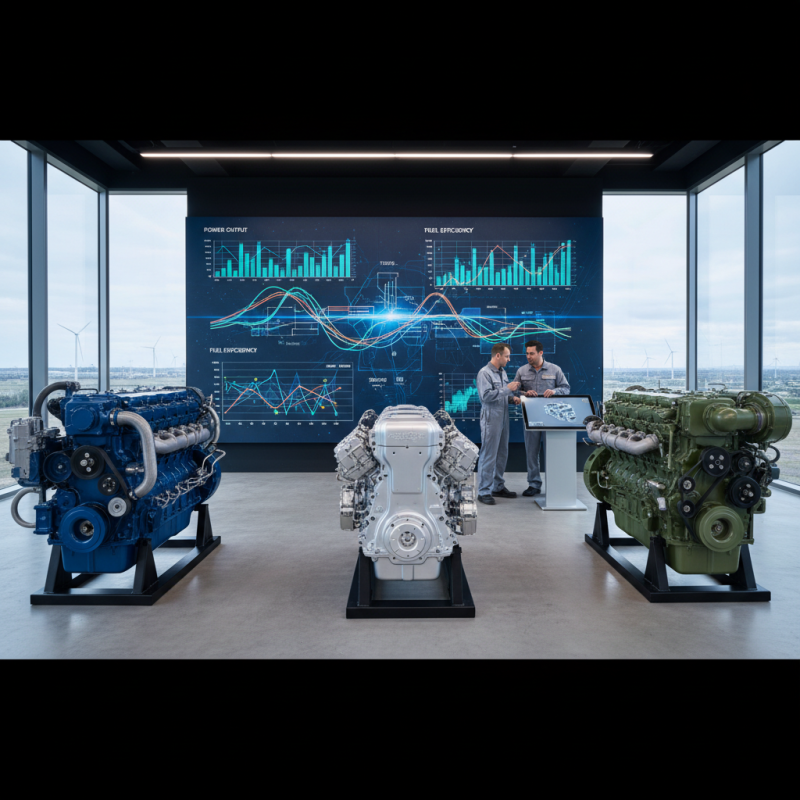
Understanding Your Power Requirements for Diesel Engines
When selecting a diesel engine, understanding your power requirements is vital. Diesel engines vary in capabilities, so assessing your specific needs will help you make an informed choice. According to industry reports, such as those from the International Diesel Engine Manufacturers Association, power needs can range widely. For instance, applications like heavy-duty trucks may require engines that deliver upwards of 600 horsepower, while smaller machinery may only need around 100 horsepower.
Tip: Begin with a detailed analysis of your applications. Calculate the load each engine must handle. This includes considering operational conditions like terrain and weight distribution. An engine that’s too powerful may lead to increased fuel consumption. Conversely, an undersized engine might struggle, leading to performance issues.
Another factor to consider is efficiency. Data shows that modern diesel engines can offer fuel economy improvements of up to 25% compared to older models. However, performance does vary between different engines. Choosing an engine that balances power and efficiency is crucial. Engaging with industry professionals can provide insights into which models meet your needs effectively.
Tip: Consult reports on diesel engine performance. This information can guide your selection process. Assessing real-world fuel usage and longevity will reduce costs in the long term. Be prepared to revisit your choices based on application demands and performance feedback.
Evaluating Different Types of Diesel Engines Available
When evaluating different types of diesel engines, consider your specific needs. Diesel engines vary greatly in size, power, and efficiency. A compact engine may suit light-duty applications, while heavy-duty engines may be necessary for larger machinery. Research is crucial; understand the various categories available.
Tips: Always assess the weight-to-power ratio of the engine. A well-balanced engine will improve performance and fuel efficiency. Don’t overlook maintenance requirements, as they can significantly impact running costs.
Additionally, consider the engine's lifespan and warranty options. Some engines are built for long-term durability, while others might not perform as expected over time. Analyze user reviews and expert opinions for deeper insights.
Tips: Experiment with advanced technology like turbocharging. It can enhance power without increasing the engine's size. However, improvements can also lead to more complex maintenance. Think critically about what technology aligns with your needs.
Key Performance Metrics to Consider When Choosing
Choosing the right diesel engine requires careful consideration of several key performance metrics. One crucial metric is power output. This determines how much load the engine can handle efficiently. Users must match power needs with the intended application, from heavy-duty trucks to industrial machinery.
Another important factor is fuel efficiency. Diesel engines are known for their longevity and fuel economy. However, variations exist, so it's essential to assess fuel consumption per horsepower. Real-world testing can provide more accurate insights into fuel efficiency than specifications alone.
Additionally, torque is vital for operation, especially in heavy applications. Higher torque means better performance at low speeds. Analyzing the torque curve helps in understanding how the engine will perform under different conditions. When evaluating these metrics, consider real testimonials and data. They often highlight pros and cons not present in sales literature. Balancing these elements can lead to a more informed decision, even if it feels overwhelming at times.
How to Choose the Best Diesel Engine for Your Needs? - Key Performance Metrics to Consider When Choosing
| Metric | Description | Typical Values |
| Horsepower | The power output of the engine measured in horsepower (HP). | 100 HP - 500 HP |
| Torque | The twisting force produced by the engine, measured in pound-feet (lb-ft). | 200 lb-ft - 1200 lb-ft |
| Fuel Efficiency | The amount of fuel consumed per unit of power output, usually expressed in miles per gallon (MPG) or liters per 100 km. | 15 MPG - 25 MPG |
| Displacement | The total volume of all the cylinders in the engine, typically measured in liters. | 2.0L - 12.0L |
| Emissions | The pollutants released into the atmosphere by the engine during operation. | 0.1 g/km - 1.0 g/km |
| Service Interval | The recommended time or mileage between servicing intervals for maintenance. | 5,000 miles - 15,000 miles |
Assessing Fuel Efficiency and Emissions Standards
When choosing a diesel engine, fuel efficiency is crucial. This ensures you get more power with less fuel. Look for engines that meet or exceed emission standards. This is not just about compliance; it affects long-term costs. You may save money on fuel bills while reducing your carbon footprint.
Understanding emissions standards is fundamental. Different regions have varying regulations. You need an engine that aligns with local laws. This could prevent legal issues down the road. It might limit your engine options, but it is essential for sustainability.
Don’t ignore the balance between power and efficiency. Tuning an engine for maximum efficiency may reduce its performance. Reflecting on your needs is vital. Consider how often you'll use the engine and the work it needs to perform. Limiting unnecessary power can lead to better efficiency and lower emissions.
Budgeting: Cost Considerations for Diesel Engine Selection
When selecting a diesel engine, budgeting plays a crucial role. Diesel engines vary widely in cost, influenced by factors such as size, power output, and brand reputation. It’s essential to establish a clear budget before exploring options. Additionally, consider ongoing costs, including maintenance and fuel efficiency.
Tips for budgeting effectively include researching average prices and reading customer reviews. This helps avoid overspending on features you might not need. Additionally, factor in the costs of necessary accessories or installation. A cheaper engine might save you upfront but can lead to higher long-term costs.
When planning your budget, be realistic. Sometimes, investing more initially can lead to savings down the road. High-quality engines often offer better reliability and fuel economy. Skimping now could mean higher repair costs later. Assess your specific needs thoroughly; this ensures that your choice serves you best in the long run.