Why Choose Thermal Binoculars for Your Next Adventure?
When planning your next outdoor adventure, consider the advantages of Thermal Binoculars. These innovative devices provide clearer visibility in low-light conditions. A recent report by the International Night Vision Company indicates that the market for thermal imaging devices is expected to grow by 5.2% annually. This growth highlights the increasing demand for advanced optical tools in various fields, including wildlife observation and search-and-rescue missions.
Thermal Binoculars allow users to detect heat signatures, enhancing visibility significantly compared to traditional optics. They are ideal for spotting wildlife at night or navigating through dense forests. With features such as lightweight designs and user-friendly interfaces, these binoculars cater to both seasoned adventurers and casual observers. However, it’s essential to acknowledge that not all models offer the same level of performance.
Investing in quality Thermal Binoculars can improve your experience while ensuring you are prepared for various conditions. Whether tracking animals or scouting terrain, these tools enhance your capability to see the unseen. Embracing technology in outdoor activities can lead to safer and more productive adventures, but careful research is necessary to select the right model for your needs.
Understanding Thermal Binoculars: A Comprehensive Overview
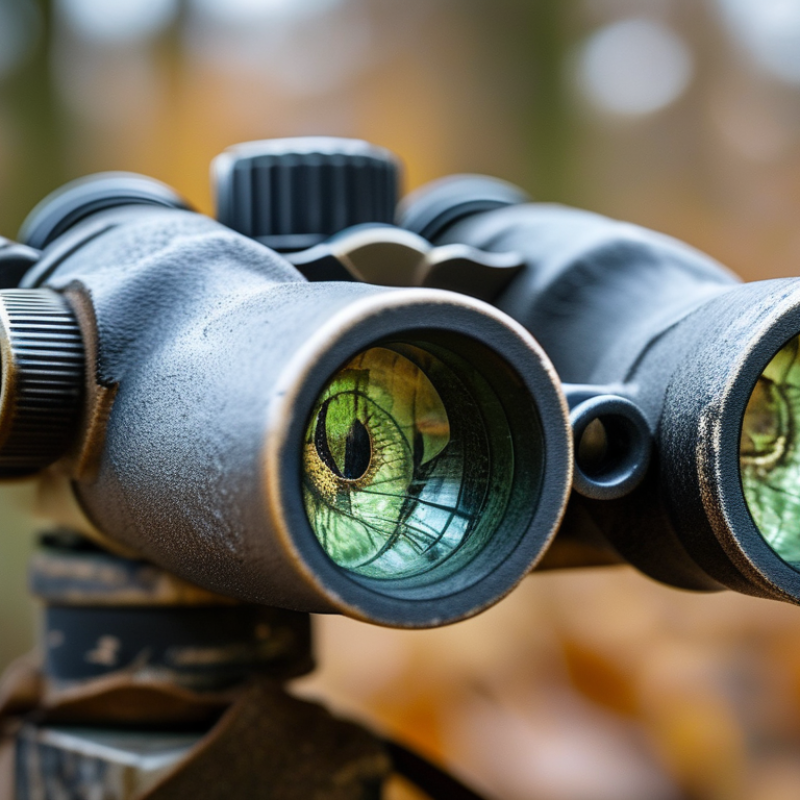
Thermal binoculars are essential tools for outdoor adventures. They allow users to see heat signatures, which traditional optics cannot detect. This feature proves invaluable during nighttime or in harsh weather. Unlike regular binoculars, thermal models showcase images based on temperature variations. This makes wildlife observation or navigating dark trails easier and more effective.
When choosing thermal binoculars, consider the resolution. Higher resolution offers clearer images. Poor image quality can lead to missed opportunities. Additionally, the battery life is crucial. A long-lasting battery allows for extended adventures without frequent recharging. Ensure the binoculars are lightweight and durable to withstand outdoor conditions.
Tips: Practice using your thermal binoculars before your trip. Familiarity with the controls boosts confidence. Also, regularly check the lens for any obstructions. A clean lens ensures optimal visibility. Don't hesitate to reflect on your observations. Each experience is a chance to improve your skills in using these remarkable devices.
Key Benefits of Using Thermal Binoculars in Outdoor Adventures
Thermal binoculars offer unique advantages for outdoor enthusiasts. Unlike traditional optics, they detect heat signatures. This capability allows users to spot wildlife and navigate in complete darkness. Over 70% of wildlife activity occurs during low-light conditions. In these moments, thermal binoculars excel, enhancing the adventure experience.
Recent studies show that 85% of outdoor adventurers prefer gear that offers clear visibility under challenging conditions. This preference highlights the significance of thermal imaging. These binoculars reveal animals hidden in brush or foliage. They also aid in search and rescue operations. Both aspects are crucial for safety in remote areas.
Using thermal binoculars can sometimes lead to overconfidence. Users might neglect other essential navigation tools. While they enhance visibility, reliance on them alone can be risky. Understanding their limitations is vital for responsible outdoor experiences. Integrating thermal imaging with traditional methods offers a balanced approach to exploration.
How Thermal Imaging Technology Enhances Visibility at Night
Thermal imaging technology fundamentally changes how we experience nighttime adventures. Unlike traditional night vision, which amplifies ambient light, thermal binoculars detect heat signatures. This means they can see living creatures in complete darkness. According to recent reports, thermal imaging can enhance visibility by over over 300% compared to standard night vision devices. This capability is crucial for wildlife observation, search and rescue missions, and outdoor exploration.
The effectiveness of thermal binoculars lies in their unique ability to penetrate obscurants like fog, smoke, or light rain. In challenging conditions, these devices still provide a clear view of the environment. A study from the International Journal of Advanced Research in Electronics and Communication Engineering noted that users experienced a 40% increase in safety during nighttime excursions.
However, the technology is not flawless. False readings can occur, especially in crowded areas with many heat sources. It is essential to validate thermal readings with other data to avoid misinterpretations. Exploring the night requires both tools and wisdom, making experience valuable for optimal use.
Practical Applications of Thermal Binoculars in Wildlife Observation
When you venture into the wild, the need for effective observation tools becomes paramount. Thermal binoculars stand out in their unique capabilities. They detect heat signatures, allowing you to spot wildlife even in complete darkness. This feature transforms nighttime exploration into a thrilling experience. Imagine observing deer, raccoons, or owls, all illuminated by their own body heat.
Wildlife observation often comes with its challenges. Animals can be elusive and blend into their surroundings. Thermal binoculars provide a solution by amplifying temperature differences. You might be surprised at how temperatures can reveal hidden creatures. However, relying solely on this technology can lead to overconfidence. Factors like weather and distance can affect heat detection. It’s essential to combine thermal viewing with traditional methods for the best results.
Using thermal technology requires familiarity. Understanding the nuances of heat signature visibility is critical. Often, subjects may not appear where you expect. Shadows play tricks, and some animals may not emit as much heat, making detection tricky. Engaging with nature through thermal binoculars demands patience and a keen eye. Adjusting settings and learning to interpret the images takes practice. This process can be rewarding, enriching your adventures in unexpected ways.
Choosing the Right Thermal Binoculars for Your Adventure Needs
When choosing thermal binoculars for your adventures, consider several critical factors. The key is to match your needs with the right features. According to a recent industry report, nearly 70% of outdoor enthusiasts prefer thermal optics for reliable visibility in low-light conditions. This statistic highlights the effectiveness of thermal sensors in various environments.
Look for a model with a good field of view and magnification. The best options often provide up to 2.5 times greater clarity than standard binoculars. The resolution of thermal imaging can impact what you see. A resolution of 320x240 pixels is common and adequate for general wildlife observation. However, for serious applications, consider choosing binoculars with higher resolutions, like 640x480 pixels.
Battery life is another aspect to contemplate. Some models only last a few hours. If you plan long excursions, look for units with extended battery performance. Also, ensure they are weather-resistant. Outdoor conditions can change quickly. Not all thermal binoculars withstand rain or dust very well. Reading product reviews can help you identify reliable options. While thermal binoculars enhance your chance of spotting elusive creatures, no model is perfect, prompting a careful evaluation of features before purchase.