How to Choose the Best Plate Series for Global Sourcing?
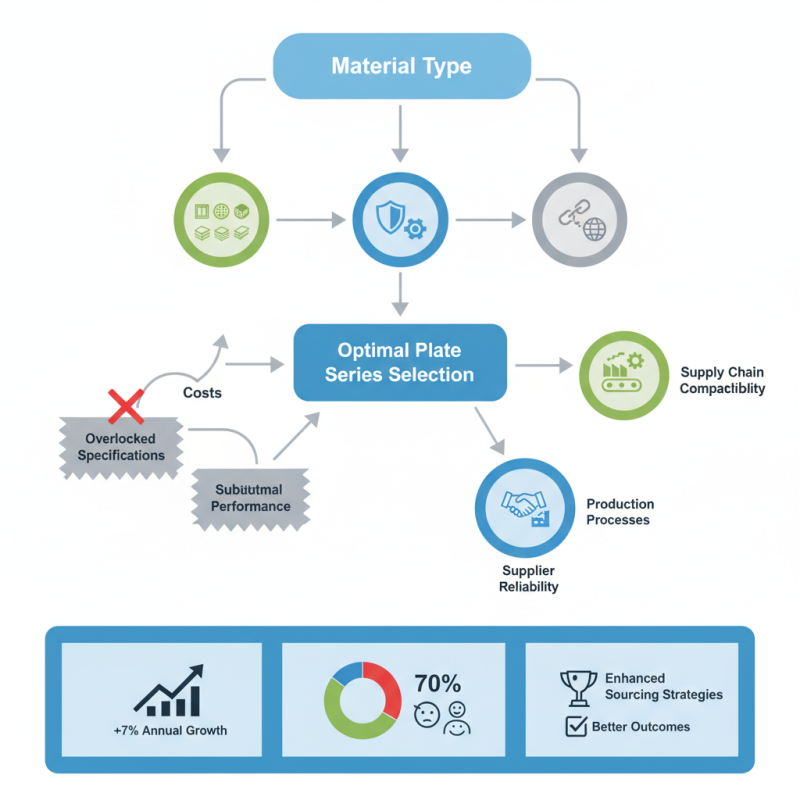
In the realm of global sourcing, selecting the optimal Plate Series is crucial for ensuring product quality and cost efficiency. According to industry reports, the global demand for high-quality plates is expected to grow by 7% annually over the next five years. This trend underscores the importance of making informed choices in a competitive market.
Choosing the right Plate Series involves understanding various factors such as material type, durability, and compatibility with existing supply chains. Research indicates that companies often overlook critical specifications, leading to suboptimal performance and increased costs. The stakes are high; inaccurate selections can disrupt operations and affect customer satisfaction.
Furthermore, not all Plate Series are created equal. Variations in production processes and supplier reliability can significantly impact overall quality. Data show that 30% of companies face issues due to improper sourcing decisions. This highlights the need for a detailed analysis to navigate the complexities of global sourcing effectively. By thoroughly evaluating options, companies can enhance their sourcing strategies and achieve better outcomes in the long run.
Understanding Global Sourcing: Key Concepts and Importance
Global sourcing is pivotal in today's interconnected marketplace. It allows businesses to access a wider array of products and technologies. However, understanding the key concepts of global sourcing is essential. Effective sourcing often involves consideration of costs, quality, and supplier reliability. Knowledge about global market trends can also influence sourcing decisions significantly.
When choosing the best plate series for global sourcing, focus on the materials used. High-quality materials ensure durability and performance. Look for suppliers who prioritize sustainability. This commitment not only reflects corporate responsibility but also attracts environmentally conscious consumers.
Tips: Always verify supplier credentials. Establish clear communication channels. Regularly assess supplier performance metrics. Building strong relationships is crucial. This proactive approach enhances trust and ensures smoother operations. Engage in continuous learning about global trends to remain competitive. Relying solely on past successes may limit growth opportunities. Prioritize continuous improvement in sourcing strategies to adapt to changing market dynamics.
Identifying Quality Standards for Plate Series in Sourcing
When sourcing plate series globally, identifying quality standards is crucial. Each region has different regulations and certifications. Understanding these standards helps ensure that you select reliable products. For instance, some materials might not meet safety criteria in certain markets. Research local guidelines thoroughly.
Creasing and bending are common issues in plate quality. Inspecting for even thickness is essential. Variations can affect durability and performance. Quality control measures should be put in place during manufacturing. Random sampling is a practical approach.
Maintaining clear communication with suppliers is vital. Transparency fosters trust and reliability. Discussing quality benchmarks before placing orders is wise. Be prepared to ask tough questions. Not all suppliers will meet your quality expectations. Being diligent ensures your products meet necessary standards.
Evaluating Supplier Reliability and Reputation for Plate Series
When choosing a plate series for global sourcing, evaluating supplier reliability and reputation is crucial. Start by researching potential suppliers’ history. Look for customer testimonials and feedback on their products. A strong track record often indicates a reliable supplier. Check online reviews; they can reveal patterns over time.
Consider the years the supplier has operated in the industry. Longevity often indicates stability and reliability. However, it’s essential to weigh this against any negative reports or product recalls. A seemingly reputable supplier may have hidden issues. Regularly updated information from industry publications can shed light on recent performance.
Communication with the supplier offers insights into their reliability. Prompt and clear responses indicate professionalism. Ask for references; they provide a firsthand account of experiences. Transparency in operations is a good sign. While no supplier is perfect, understanding their strengths and weaknesses can lead to better sourcing decisions.
How to Choose the Best Plate Series for Global Sourcing? - Evaluating Supplier Reliability and Reputation for Plate Series
| Supplier Region | Reliability Rating | Customer Satisfaction Score | Years in Business | Certifications |
| North America | 4.5/5 | 90% | 20 | ISO 9001, ASTM A36 |
| Asia | 4.0/5 | 85% | 15 | ISO 9001, CE |
| Europe | 4.7/5 | 92% | 25 | ISO 9001, DIN EN |
| South America | 3.8/5 | 80% | 10 | ISO 9001 |
| Africa | 4.2/5 | 88% | 12 | ISO 9001 |
Comparing Material Options and Manufacturing Processes in Plates
When selecting plates for global sourcing, material options and manufacturing processes play crucial roles. Different materials offer unique benefits. For instance, ceramic plates are known for their heat resistance and aesthetic appeal, while stainless steel plates provide durability and ease of cleaning. Each choice affects both performance and cost.
Consider the manufacturing process as well. Plates can be produced through techniques like injection molding or handcrafting. Injection molding may allow for precise shapes but can lead to uniformity. Handcrafted plates, while unique, often require more time and skilled labor. Balancing these factors is essential for meeting quality standards and budget constraints.
Tips:
Ensure you assess the environmental impact of the materials. Sustainable options are increasingly valued. Adaptability in sourcing strategies also matters. Be prepared to pivot if supply chains shift or if unexpected challenges arise. Always maintain good communication with your suppliers to ensure consistency.
Assessing Cost Efficiency and Logistics in Global Plate Sourcing
When assessing cost efficiency in global plate sourcing, it’s vital to analyze several key factors. Evaluate production costs by comparing manufacturing facilities in different regions. Labor costs, material availability, and energy expenses can vary widely. Understanding these differences will help you make informed decisions that enhance your bottom line. Always consider the hidden costs, such as tariffs and taxes, which can significantly impact the total expense.
Logistics play a crucial role in global sourcing. Efficient transportation and timely delivery are essential. Analyze shipping routes and select reliable carriers who can meet your deadlines. Bad logistics can lead to delays, impacting your operations and customer satisfaction. It’s also necessary to assess how fluctuations in fuel prices affect transportation costs over time.
Lastly, think about inventory management. Holding too much stock can be costly. A just-in-time approach might reduce overhead but requires reliable suppliers. Different suppliers may have varying lead times, affecting your flexibility. This may lead to challenges in balancing demand and supply. Being adaptable and willing to reassess your strategies can improve your sourcing decisions.