How to Choose the Best Smart Video Doorbell for Your Home?
The demand for Smart Video Doorbells has surged in recent years. A report from Allied Market Research indicates that the market for smart home security devices is projected to reach $80 billion by 2025. With increasing concerns about safety and surveillance, homeowners seek effective solutions. Smart Video Doorbells offer not just video surveillance but also two-way communication and motion detection.
However, choosing the right model can be challenging. There are various features that differ across brands. Industry experts suggest considering factors like video resolution, cloud storage options, and integration with existing smart home systems. An average consumer may overlook critical features, leading to dissatisfaction.
Many users express regret over not prioritizing compatibility with their smart home ecosystem. Additionally, battery life and weather resistance are overlooked factors that impact performance. Balancing price with necessary features poses another challenge. The right Smart Video Doorbell should enhance your home security without overwhelming you with unnecessary complexities.
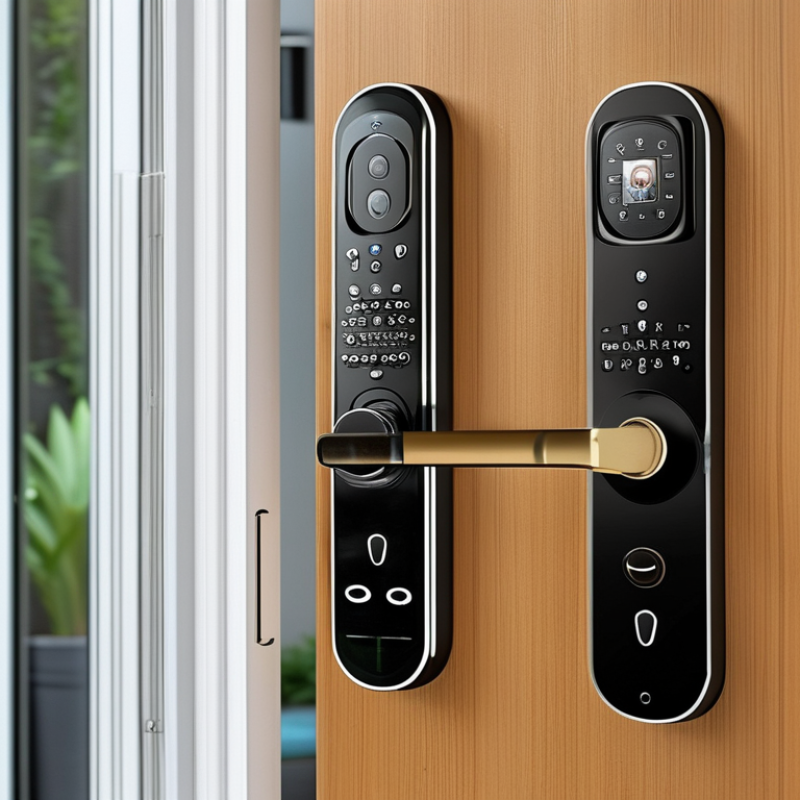
Factors to Consider When Selecting a Smart Video Doorbell
When selecting a smart video doorbell, several key factors come into play. The resolution is crucial. A higher resolution means clearer images. Look for options that offer at least 1080p HD video quality. This ensures you can identify visitors easily. The field of view also matters. A wider angle allows you to see more of your entrance. Some models even allow for adjustable views.
Consider the power source as well. Battery-operated doorbells offer flexibility. However, wired models provide consistent power. Choose according to your setup and preference. Pay attention to storage options too. Some doorbells offer cloud storage. This may require additional fees. Others provide local storage without subscriptions, which can save you money in the long run.
Don't forget about compatibility with your existing smart home devices. Ensure the doorbell works with your phone and other security systems. Read customer reviews for real-life insights. Many users share their experiences, which can guide your decision. Lastly, reflect on the installation process. Some models boast easy DIY installation, while others may require professional help. Think about your own skill level before you decide.
Analysis of Video Resolution Options: 720p vs 1080p vs 4K
When selecting a smart video doorbell, video resolution is crucial. Analyzing options like 720p, 1080p, and 4K helps determine the ideal choice for your home.
720p may seem sufficient, but clarity can be an issue. Details like faces and license plates may blur. This resolution is better for tight budgets or smaller spaces.
1080p delivers sharper images, allowing for better identification. Most users find this resolution adequate for monitoring visitors. However, it can still miss finer details in dim light.
4K resolution offers stunning clarity. It captures detailed visuals, even in low light. This option is best for larger homes or busy areas. However, it requires more storage and bandwidth. Many potential buyers overlook these aspects.
Tips: Always consider your home’s lighting. The best resolution also depends on the installation location. Test various settings if possible, to find the balance between quality and storage. A clear view can enhance security and peace of mind.
Understanding Field of View: Importance in Home Security Devices
When choosing a smart video doorbell, understanding the field of view is crucial. The field of view (FOV) indicates how much of the area in front of your door the camera can capture. This feature is vital for home security. A wider FOV enhances visibility, allowing you to monitor who approaches your home from multiple angles. Reports show that a 160-degree FOV can capture more than a traditional 90-degree view, reducing blind spots significantly.
Many security experts recommend a camera with at least a 120-degree FOV for adequate coverage. This allows users to see a larger portion of the doorway and adjacent areas. Some studies indicate that homes equipped with broader FOVs report fewer security incidents. Yet, a wider FOV may also lead to image distortion at the edges, potentially affecting picture quality. Finding the right balance is key.
The placement of the doorbell also plays a role. Installing it too high or at an awkward angle can negate the benefits of a wide FOV. Users should consider their entryway's layout and various factors before installation. The effectiveness of a smart video doorbell can diminish if the field of view is not optimized for its intended purpose. Always weigh the FOV with other features for a comprehensive security solution.
Evaluating Smart Features: Motion Detection, Night Vision, and Alerts
When evaluating smart video doorbells, consider motion detection, night vision, and alerts. These features enhance your home security. Motion detection should trigger notifications. You want to catch intruders quickly. Look for a doorbell that allows custom zones. Some areas may not need surveillance. Focus on high foot traffic zones instead.
Night vision is crucial for low-light conditions. A doorbell with infrared capabilities can capture clear footage. This reduces blind spots at night. Be aware that some models might struggle in total darkness. Choosing a product with solid night vision can be a game-changer.
Alerts are another vital feature. Instant notifications keep you informed of visitors. A reliable doorbell should deliver alerts without delay. Some systems offer real-time streaming, allowing you to see who’s at your door live. However, ensure that the app is user-friendly. Complicated interfaces can lead to missed opportunities.
Compatibility with Smart Home Systems: Importance for Integration
When choosing a smart video doorbell, compatibility with existing smart home systems is crucial. Research indicates that 57% of consumers prioritize integration with devices like smart speakers and security systems. Seamless integration allows for enhanced functionality, such as voice commands and live video streaming on your preferred device. Many homeowners find that the convenience of linking their doorbell to a smart hub outweighs the initial costs.
Moreover, compatibility issues can lead to frustrating user experiences. Data shows that around 34% of users encounter difficulties when trying to integrate devices from different brands. This often results in wasted time and resources. Don't overlook the potential for upgrades or expansions to your smart home system. Choosing a doorbell that collaborates well with future devices will save you from costly replacements or inconsistencies down the road.
Make sure to check compatibility with your existing system before making a purchase. Reading reviews and user feedback can provide insight into real-world performance. It's common for users to feel that a device looks great on paper but lacks a smooth interface in practice. Asking questions within community forums may reveal potential pitfalls that are not detailed in product specifications.
Smart Video Doorbell Compatibility with Smart Home Systems
This chart displays the compatibility of popular smart video doorbells with various smart home systems. Integration with systems such as Google Home, Amazon Alexa, and Apple HomeKit is essential for a seamless smart home experience.