2026 How to Choose Middle East Gas Liquid Hybrid Gas Dilution Instrument?
Choosing the right equipment for gas analysis is crucial, especially in the Middle East. The Middle East Gas Liquid Hybrid Gas Dilution Instrument stands out among options available today. Its unique features cater specifically to the region's diverse gas compositions and operational conditions.
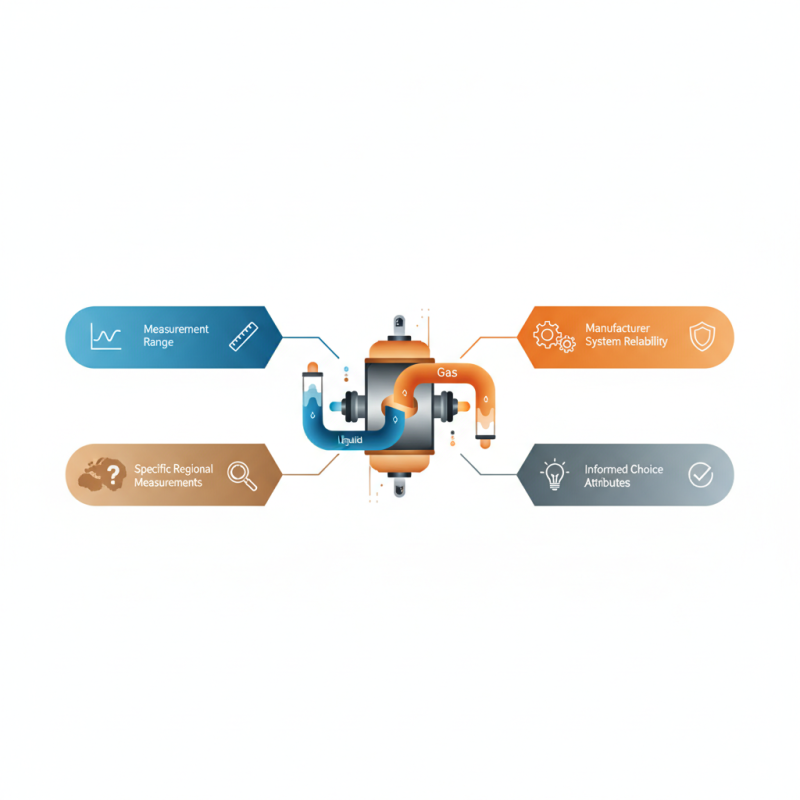
This instrument combines flexibility and precision, making it ideal for various applications. Users should consider factors like measurement range and compatibility with existing systems. Each selection process should involve evaluating manufacturer expertise and system reliability.
Many companies face challenges when selecting instruments. Some overlook specific regional needs, which can lead to inaccurate measurements. Therefore, understanding the unique attributes of the Middle East Gas Liquid Hybrid Gas Dilution Instrument is essential in making an informed choice.
Understanding Gas Liquid Hybrid Gas Dilution Instruments
Understanding gas liquid hybrid gas dilution instruments requires a solid grasp of their working principles. These devices mix gases and liquids precisely to achieve desired concentrations. Accurate calibration is crucial for reliable results. Professionals in the Middle East often face unique challenges due to extreme temperatures and varying gas compositions. This affects instrument performance and maintenance schedules.
These instruments combine gas dilution techniques with liquid phase control. The hybrid nature allows better adaptability for complex industrial applications. Users must check compatibility with local gas types and ensure corrosion-resistant materials. Installation environments should be clean and stable, but real-world conditions are rarely ideal. This discrepancy sometimes causes measurement deviations that require frequent recalibration.
Experts recommend evaluating instrument sensitivity and response time carefully. The ideal model balances accuracy with ease of operation. Careful consideration of flow rates and pressure limits also impacts instrument lifespan. However, even with best practices, unexpected issues might arise, highlighting the need for ongoing monitoring and adjustment. This ongoing process reflects the imperfect but necessary approach to mastering these complex instruments.
Key Features to Consider for Hybrid Gas Dilution Instruments
When choosing a hybrid gas dilution instrument for the Middle East market, several key features stand out. Effective gas dilution is critical in various applications, including environmental monitoring and process control. A recent report from the International Gas Association notes a 25% increase in demand for hybrid dilution systems due to the stringent regulations in both industrial and environmental sectors.
Accuracy is paramount. Look for instruments that offer a high degree of measurement resolution and reliability. Advanced models often come with real-time monitoring capabilities. Additionally, consider user-friendly interfaces that allow for seamless operation and data logging. These features can significantly minimize operator errors.
Tips: Regular calibration is vital. A poorly calibrated instrument can lead to inconsistent results. Also, ensure the instrument is compatible with multiple gas types for versatility.
Another aspect to consider is maintenance. Some instruments require more frequent servicing, which can affect total cost of ownership. Efficiency in maintenance schedules can save time and resources. An industry survey revealed that 40% of users faced unexpected downtime due to maintenance issues. Choosing a robust design can mitigate these concerns.
Remember to weigh the importance of support and training from the supplier. Proper knowledge can significantly enhance instrument efficiency.
Key Features to Consider for Hybrid Gas Dilution Instruments
The Importance of Measurement Accuracy in Gas Dilution
In the realm of gas dilution, measurement accuracy is crucial. Gas liquid hybrid instruments play an essential role in ensuring reliable results. Accurate measurements can significantly impact industrial processes and environmental assessments. Any inaccuracies may lead to incorrect data interpretation. This can have financial and regulatory implications.
Tips: Choose instruments with a proven track record of precision. Review customer feedback to gauge reliability. Consider the calibration features offered by the device.
Additionally, the complexity of gas mixtures makes the choice of instruments even more vital. A slight deviation in measurements can lead to misleading conclusions. Training personnel in handling these instruments is necessary for optimal performance. Regular maintenance also ensures longevity and reliability.
Tips: Establish a routine for instrument checks. Encourage operators to document anomalies. Continuous improvement will enhance measurement fidelity.
Evaluating the Cost-Effectiveness of Hybrid Gas Instruments
In evaluating the cost-effectiveness of hybrid gas instruments, it's essential to consider both upfront and long-term expenses. A recent industry report indicates that hybrid gas instruments can reduce operational costs by 20% compared to traditional methods. These savings primarily stem from their efficiency in gas dilution and the accurate measurement capabilities that minimize wastage.
Investing in a hybrid gas dilution instrument might seem daunting due to initial costs. However, lasting benefits include reduced maintenance and longer lifespans. According to studies, proper instrumentation can cut downtime by approximately 15%. This translates to substantial savings in labor and lost productivity.
Tips: Regularly reassess the instrumentation needs to ensure efficiency. Consider the total cost of ownership rather than just purchasing price. Evaluate potential training and support costs as they impact overall value.
The intricacies of the market warrant careful examination. Many professionals often overlook hidden costs associated with traditional instruments. Therefore, a detailed analysis of each instrument's ROI is advisable. Monitoring performance metrics routinely can further enhance cost-effectiveness, ensuring that the chosen technology remains relevant over time.
Maintenance and Calibration Best Practices for Optimal Performance
Maintaining and calibrating your Middle East gas liquid hybrid gas dilution instrument is crucial for accurate results. Regular maintenance ensures that the instrument operates optimally. Start with routine checks of the seals and connections. Any leaks can lead to measurement errors. Conducting a visual inspection helps catch small issues before they escalate.
Calibration is another essential aspect. It ensures that the instrument’s readings meet established standards. Use certified calibration gases for this process. Regular intervals for calibration should be established, ideally based on usage patterns. Document each calibration and any adjustments made. This creates a reliable record and allows for better troubleshooting.
Operators should be aware of signs that indicate a need for recalibration. Fluctuations in readings or unexpected results could suggest underlying issues. Training staff on these indicators is beneficial. Encourage a culture of vigilance and responsibility. It's important to reflect on processes and continuously improve maintenance approaches.