1-208-754-4884

2026 How to Choose the Right Automated Valves for Your System?

In the ever-evolving landscape of industrial automation, choosing the right Automated Valves is crucial. The global market for automated valves is projected to grow at a staggering rate of 6.5% annually, reaching approximately $7 billion by 2026. This significant growth highlights the increasing reliance on automation in various sectors, such as oil and gas, water management, and pharmaceuticals.

Selecting the appropriate Automated Valves can significantly enhance system efficiency and reduce costs. Yet, the process can be daunting. Many users overlook specific requirements, leading to inefficiencies. For instance, understanding the flow characteristics and operating conditions is essential. Utilizing the wrong valve type could result in leaks or failures, incurring unexpected expenses.

Industry reports indicate that improper valve selection costs companies up to 30% in operational delays. Investing time in understanding the technical specifications can yield substantial long-term benefits. A knowledgeable choice in automated valves not only ensures system reliability but also contributes to a more sustainable operational environment.
2026 How to Choose the Right Automated Valves for Your System?

Understanding Automated Valves: Types and Their Applications

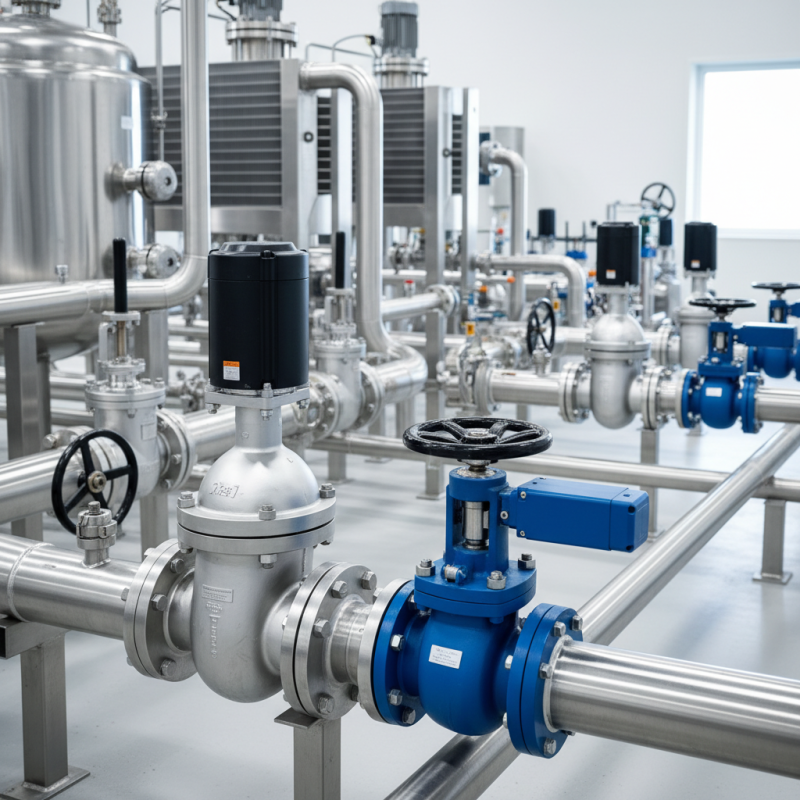
Automated valves play a key role in modern industrial systems. They enhance efficiency and precision. Understanding the various types of automated valves is crucial for any operation. Two main categories include control valves and on/off valves. Control valves manage flow rates, while on/off valves handle the start and stop of fluids.

In recent studies, it was found that over 70% of industries utilize automated valves to improve productivity. This indicates their importance in enhancing safety and reducing manual labor. However, a common mistake is to overlook the specific requirements of your system. Choosing the wrong valve type can lead to inefficiencies and increased costs.

When selecting an automated valve, consider factors like pressure, temperature, and medium type. Each valve has unique applications. For instance, butterfly valves are ideal for large volumes, while ball valves are best for tight sealing. It's essential to assess the limitations of each option. Failure to do so might result in system failures or reduced lifespan of the equipment.
Key Factors to Consider When Selecting Automated Valves for Your System

When selecting automated valves, several key factors are crucial for optimal performance. The application type determines valve requirements. For example, industries like oil and gas may need valves that handle high pressures. According to industry reports, improper selection can lead to system inefficiencies costing up to 30% in maintenance.

Material compatibility is another vital aspect. Choose materials that withstand corrosive environments. Stainless steel or specialized alloys may be necessary. Consider flow rate and pressure drop calculations as well. These factors ensure the valve meets system demands and operates efficiently.

Tips: Regularly review your system's needs. Technology evolves, and so do materials. Also, think about the control method. Electric actuators can offer greater precision but may require more maintenance. Mistakes in these areas can lead to unexpected downtimes. Always factor in long-term reliability and total cost of ownership when making your choice.

Industry Standards and Regulations for Automated Valve Selection

2026 How to Choose the Right Automated Valves for Your System?

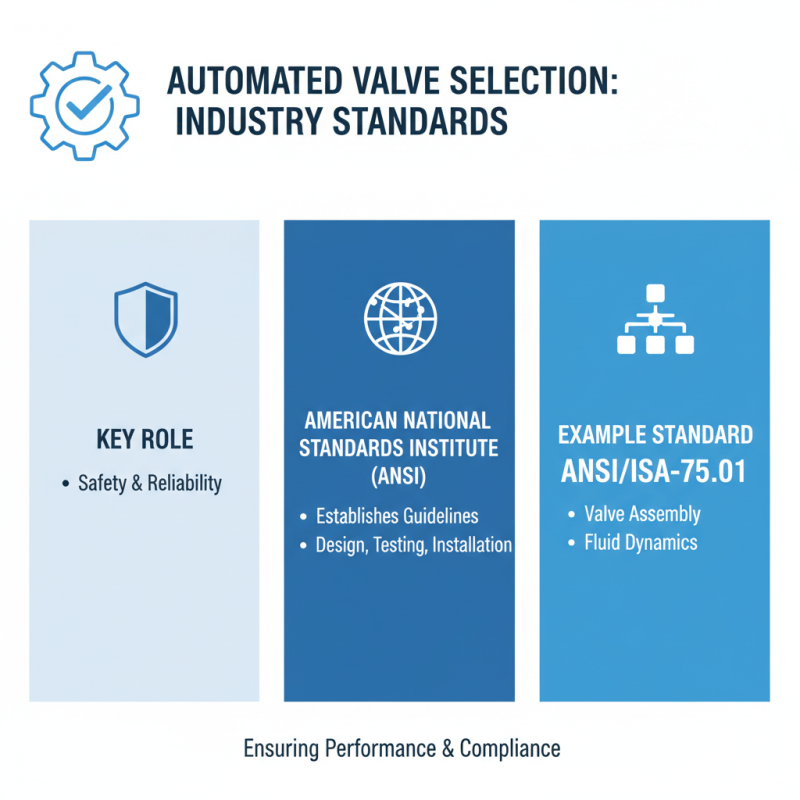
When selecting automated valves, industry standards and regulations play a critical role. The American National Standards Institute (ANSI) establishes guidelines that ensure safety and reliability. These standards apply to design, testing, and installation. For instance, ANSI/ISA-75.01 focuses on valve assembly and the impact of fluid dynamics.

Moreover, the International Organization for Standardization (ISO) provides additional frameworks, especially ISO 5211. This standard addresses actuator mounting, crucial for compatibility. Compliance with these standards can reduce operational risks. According to industry reports, systems adhering to established regulations show a 30% decrease in failures.

It’s important to recognize that not all suppliers meet these guidelines. Choosing non-compliant valves can invite problems. Regular audits and checks are necessary. As reported, nearly 25% of automated systems fail to meet required specs. This underlines the need for diligent selection. Implementing best practices is vital for long-term reliability.

Evaluating Performance Metrics: Flow Rate, Pressure, and Compatibility

2026 How to Choose the Right Automated Valves for Your System?

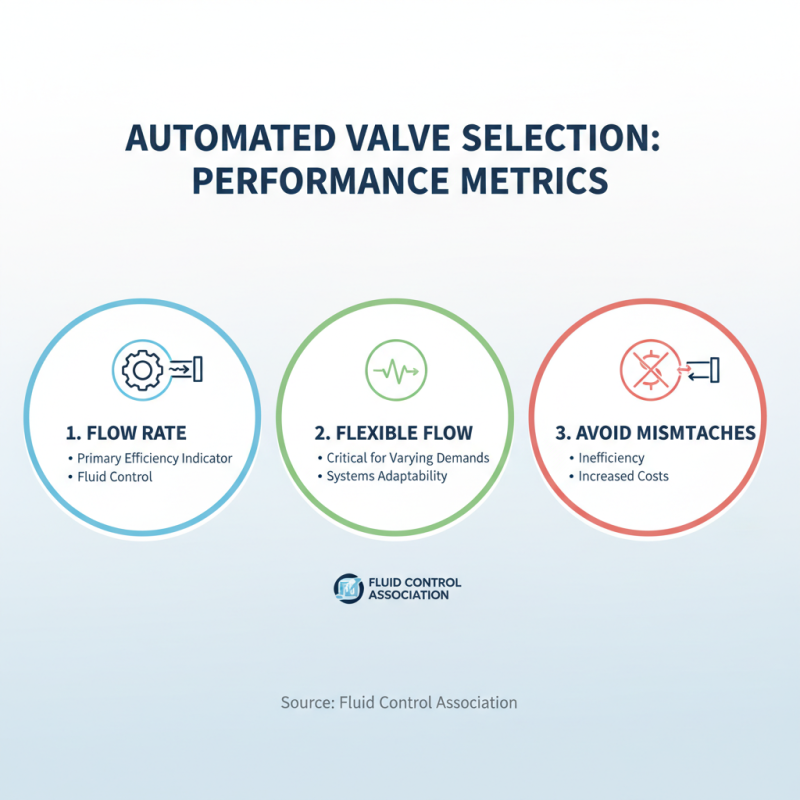
When selecting automated valves, evaluation of performance metrics is essential. Flow rate is a primary indicator of valve efficiency. According to the Fluid Control Association, flexible flow rates are critical for systems that experience varying demands. A valve with a flow rate mismatch can lead to inefficiencies and increased operational costs.

Pressure metrics also play a vital role. High-pressure systems require valves that can sustain and control pressures effectively. Data from the International Association of Plumbing and Mechanical Officials indicates that poorly rated valves can fail under stress, risking system integrity. Ensuring pressure compatibility with other system components is crucial.

Compatibility with existing infrastructure should not be overlooked. Different materials react differently in a system. A report from the Valve Manufacturers Association shows that valve material compatibility can significantly affect system longevity. Mismatched materials may lead to corrosion and premature failure. It's vital to conduct thorough research to avoid these costly mistakes.

Cost-Benefit Analysis: Investment vs. Long-Term Savings with Automated Valves

When considering automated valves, a cost-benefit analysis is crucial. Investing in these systems can lead to significant long-term savings. For instance, a report from the International Society of Automation highlights that automated valves can reduce operational costs by up to 30%. This percentage translates into substantial savings over time, especially in large industrial settings.

Moreover, maintenance expenses drop significantly with automated systems. Traditional valves often require frequent inspections and repairs. Automated valves, however, are designed for reliability. According to a recent survey, 70% of operators reported reduced downtime after switching to automation. This means less time lost due to maintenance and more productivity.

Yet, it's important to consider the initial investment. Automated valves may have a higher upfront cost. A study by the American Society of Mechanical Engineers noted that this might deter some businesses. However, weighing this against long-term savings is vital. Over a five to ten-year period, these valves often pay for themselves. Balancing initial costs with long-term gains requires careful planning and reflection. It is essential to consider specific operational needs before making this decision.

Cost-Benefit Analysis of Automated Valves