2026 How to Choose the Right Hydraulic Elevator Valves for Your Needs?
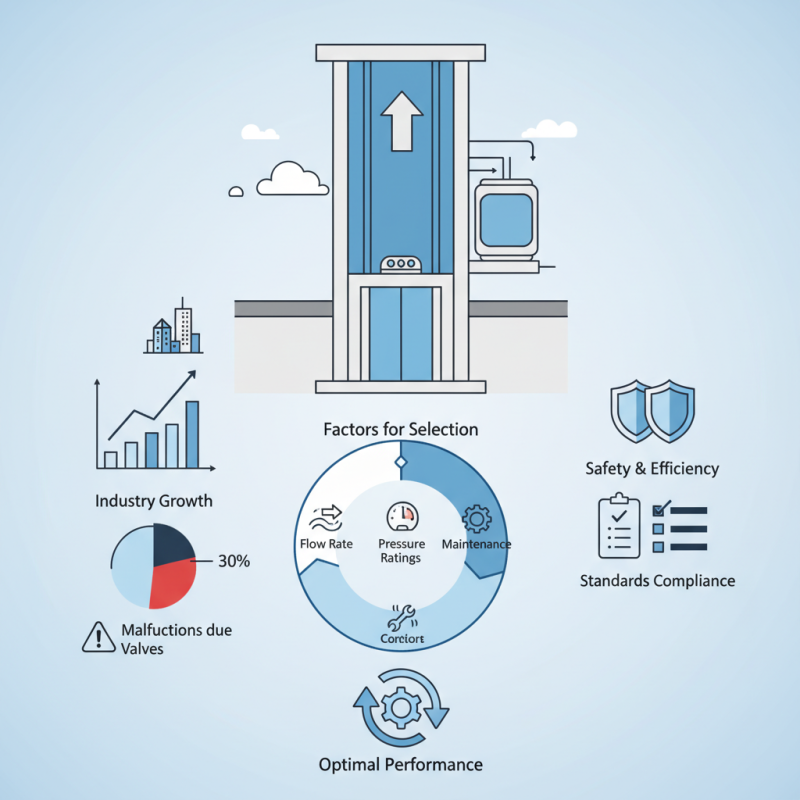
When selecting hydraulic elevator valves, understanding their function and application is crucial. Hydraulic elevators rely on these components to control fluid flow and ensure smooth operation. According to a recent industry report, improper valve selection can lead to system inefficiencies and increased maintenance costs. More than 30% of elevator malfunctions are attributed to valve issues, showcasing the importance of making informed decisions.
The market for hydraulic elevator valves has grown significantly. Experts predict a 5% annual growth rate in the elevator industry, driven by urbanization and increased reliance on vertical transportation. Choosing the right hydraulic elevator valves is not just a technical decision; it’s about enhancing safety and operational efficiency. Valves must meet specific standards to ensure they perform effectively in various environments.
However, selecting the right valve is not straightforward. Multiple factors, like flow rate and pressure ratings, come into play. Contractors and engineers often face challenges due to varying specifications. Understanding these aspects is vital to avoid potential pitfalls. The goal should always be to match the valve with the elevator's needs, ensuring reliability over time. Recognizing the importance of hydraulic elevator valves is the first step towards optimal performance.
Understanding the Basics of Hydraulic Elevator Valves
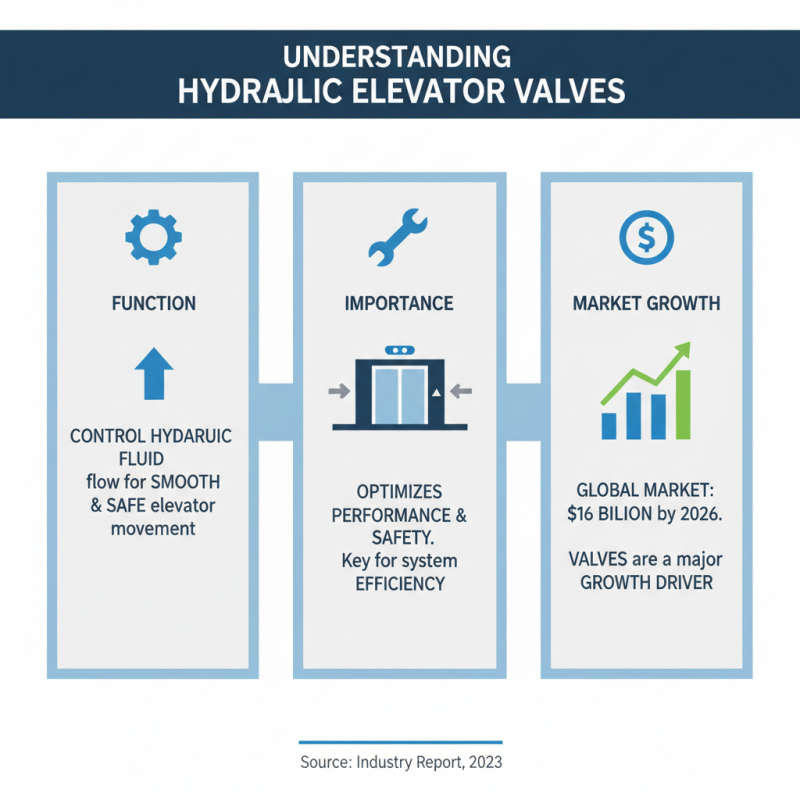
Hydraulic elevator valves are crucial components in the efficient operation of hydraulic elevators. They control the flow of hydraulic fluid, ensuring smooth and safe movement of the elevator car. Understanding their design and function is vital for optimizing performance. A recent industry report indicated that the global market for hydraulic elevators is expected to reach $16 billion by 2026, with valve technologies driving much of this growth.
Choosing the right hydraulic elevator valve requires knowledge of various types, such as directional control valves and pressure relief valves. Directional valves manage fluid flow direction. Pressure relief valves ensure safety by preventing excess pressure build-up in the system. Selecting the wrong valve can lead to operational issues, as 30% of elevator maintenance costs stem from valve-related failures. This statistic underscores the importance of understanding hydraulic systems and their performance metrics.
It's not just about choosing any valve; precision is essential. Regular inspection and maintenance are often overlooked yet critical for valve longevity. Many technicians may not fully grasp the intricacies of hydraulic systems, leading to suboptimal choices. An informed decision depends on analyzing specific system requirements and environmental factors, reinforcing the need for ongoing education in hydraulic elevator technology.
Types of Hydraulic Elevator Valves and Their Functions
When selecting hydraulic elevator valves, understanding their types and functions is crucial. There are mainly three types of hydraulic elevator valves: directional control valves, pressure control valves, and flow control valves. Each type plays a specific role in the proper functioning of hydraulic systems. Directional control valves manage the flow direction of the hydraulic fluid, essential for smooth elevator movement.
Pressure control valves ensure that the hydraulic system operates within safe parameters. They prevent excessive pressure buildup, which can be damaging. Flow control valves regulate the speed of the elevator, allowing for smooth acceleration and deceleration. These valves need careful consideration during installation. A mismatch can lead to inefficiency or safety hazards.
Choosing the right valve requires expertise. Analyze the elevator's intended use and load requirements. Misjudging these aspects can result in poor performance. Additionally, regular maintenance is necessary to ensure reliability. Observations and adjustments during operation can reveal valve issues early. Always prioritize safety and efficiency in your selection process.
2026 How to Choose the Right Hydraulic Elevator Valves for Your Needs?
| Valve Type |
Function |
Applications |
Advantages |
| Pressure Relief Valve |
Prevents hydraulic system pressure from exceeding safe limits. |
Used in all hydraulic elevator systems. |
Safety, reliability, protects machinery. |
| Directional Control Valve |
Controls the movement direction of hydraulic fluid. |
Utilized for stopping, starting, and changing direction. |
Versatility in operation, precision control. |
| Flow Control Valve |
Regulates the flow rate of hydraulic fluid into the cylinder. |
Applied for smooth and controlled elevator movement. |
Enhances operational efficiency, reduces wear. |
| Check Valve |
Prevents backflow of hydraulic fluid. |
Ensures proper functioning of hydraulic elevators. |
Improves safety and prevents reverse flow issues. |
| Solenoid Valve |
Electrically controlled valve to manage hydraulic flow. |
Common in modern automated elevator systems. |
Fast operation, allows for automation upgrades. |
Factors to Consider When Selecting Hydraulic Elevator Valves
When selecting hydraulic elevator valves, several key factors should be considered to ensure optimal performance. One crucial element is the flow rate. Research shows that hydraulic systems typically operate at flow rates between 0.5 and 20 gallons per minute. Understanding your specific requirements can prevent underperformance or inefficient energy use. Additionally, consider the valve’s pressure rating. Most hydraulic elevators function effectively within a pressure range of 1,000 to 2,500 psi. Selecting valves outside this range may lead to operational failures.
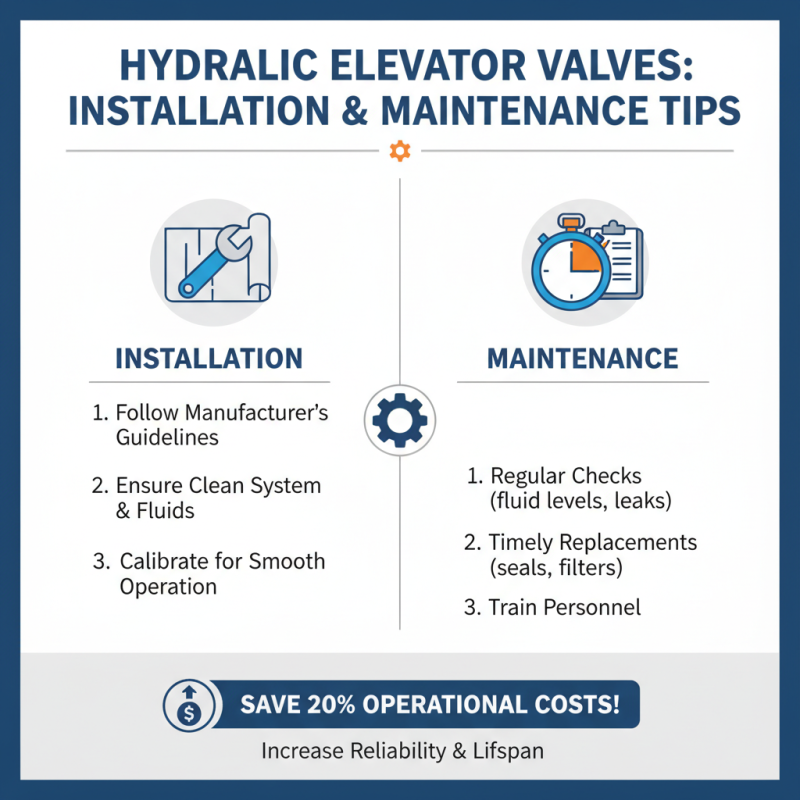
Another important aspect is compatibility with the hydraulic fluid. Industry data indicates that the wrong fluid can reduce the lifespan of the system by up to 50%. It's vital to verify whether the valve materials are suitable for the chosen hydraulic fluid type. Furthermore, installation complexity can vary significantly. Some valves require specialized fittings and precise alignment, which might lead to installation delays. It’s wise to consult with professionals who can provide insights based on their experiences and technical expertise.
Lastly, never ignore maintenance needs. Valves that demand frequent adjustments or specialized tools can increase overall costs. Regular maintenance schedules should be accounted for in your selection process. Balancing these factors will guide you in finding the most reliable hydraulic elevator valves that meet your operational needs.
2026 Hydraulic Elevator Valves Comparison
Evaluating Quality and Reliability in Hydraulic Elevator Valves
Choosing the right hydraulic elevator valves is crucial. It's not just about functionality, but also about quality and reliability. A well-functioning valve ensures smooth operation and safety in elevators. When evaluating these valves, consider the materials used. High-grade materials can resist wear, corrosion, and pressure fluctuations.
Tips: Look for valves made from stainless steel or high-strength alloys. These materials enhance durability and performance. Ensure that the valve can handle the specific loads required for your elevator design.
Another key aspect is the manufacturer’s reputation. Experienced companies often have established quality standards and testing methods. Research their history and read reviews. A reliable manufacturer provides better support and warranties.
Tips: Ask for certifications and testing results before making a decision. This information can indicate the valve's performance and safety features.
Overall, selecting the right hydraulic elevator valves requires careful consideration. While many options exist, prioritizing quality and reliability is essential. Reflect on your choices, and don’t hesitate to seek expert opinions if needed. Your elevator's efficiency may depend on it.