How to Choose the Best Industrial PC Rack for Your Needs?
Choosing the right Industrial PC Rack is crucial for optimizing performance and ensuring longevity. Industry expert Dr. Emily Thompson emphasizes, "A well-chosen rack can significantly enhance system stability." With the growing demand for robust computing solutions, selecting the appropriate Industrial PC Rack becomes paramount for businesses.
Considerations span from size to cooling requirements. An incorrect fit can lead to overheating. Ventilation is often underestimated, yet it plays a key role in maintaining the system's efficiency. Furthermore, understanding your specific needs is essential. Some racks may prioritize expansion capabilities, while others focus on durability.
Above all, reflection is vital. Rushing into a purchase without thorough evaluation may lead to regret. It's essential to assess your operational environment. Are the components secure? How often will upgrades be necessary? Delving deep into these questions can guide you toward a more effective choice.
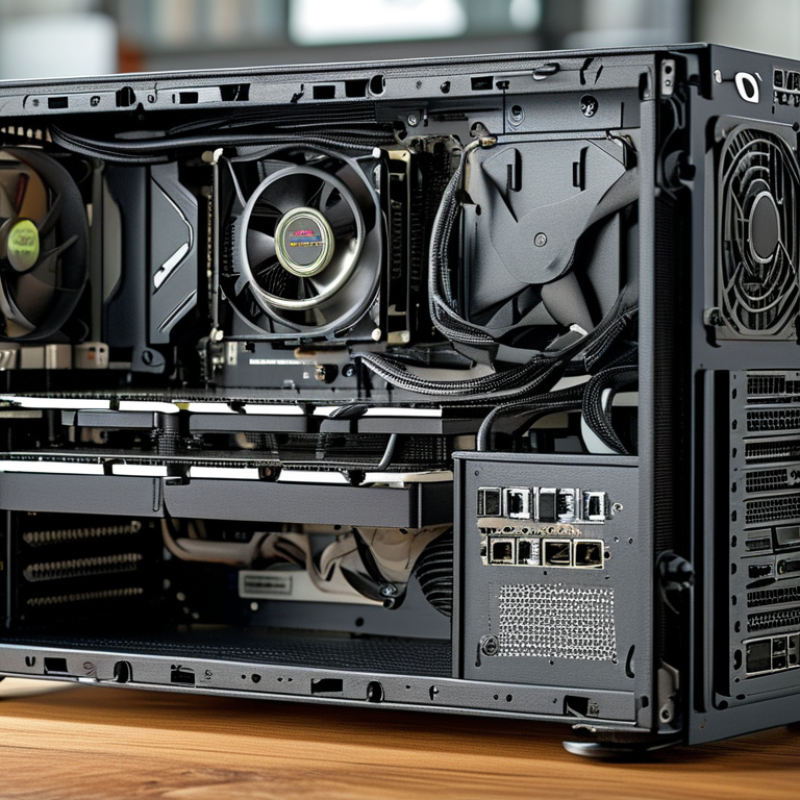
Understanding the Different Types of Industrial PC Racks Available
When selecting an industrial PC rack, understanding various types is crucial. Standard racks typically accommodate components like servers, storage units, and switches. They often come in 19-inch formats, which is a common industry standard. A report from Allied Market Research indicates that the industrial PC market is projected to reach $10 billion by 2027. This highlights the growing demand for effective hardware solutions.
Another type is wall-mounted racks. These are ideal for space-constrained environments. They offer accessibility while keeping footprints small. As logistics become more complex, wall-mounted racks are gaining traction. Some data suggests nearly 40% of companies are re-evaluating their infrastructure to maximize efficiency.
Open frame racks have advantages too. They provide unimpeded airflow, essential for cooling systems. However, they may expose equipment to dust and other contaminants. According to a recent study, 30% of equipment failures are attributed to overheating. This stat emphasizes the importance of choosing the right rack for specific environments. Always assess your needs against potential risks.
Key Specifications to Consider When Selecting an Industrial PC Rack
When choosing an industrial PC rack, several key specifications deserve attention. The first is size and compatibility. Ensure the rack can accommodate your equipment. Precise measurements are essential. A mismatch might lead to operational issues. Consider both height and width to optimize space usage.
Cooling solutions are another crucial aspect. Industrial PCs often generate heat. Racks with built-in ventilation promote airflow, preventing overheating. Check the materials used in construction. Metal frames provide durability, while certain types of plastics can resist chemicals commonly found in industrial settings. Make a choice based on your environmental needs.
Power management should not be overlooked. Racks with integrated power strips simplify cable management. Choose racks that support uninterruptible power supplies (UPS). This ensures the uptime of critical systems. Pay attention to weight capacity as well. Underestimating this can lead to rack failures, which are costly. Balancing these specifications against your operational requirements can sometimes feel overwhelming. Take time to evaluate your specific needs before making a decision.
Assessing the Environmental Conditions for Rack Placement
Choosing the right industrial PC rack involves careful consideration of the environment where it will be placed. Different industrial settings present unique conditions that can impact the rack's performance and longevity. Factors such as temperature fluctuations, humidity, and dust exposure must be assessed prior to installation.
Temperature is a critical element. In high-heat environments, overheating can damage sensitive components. On the other hand, extreme cold may lead to malfunction. Humidity levels should also be monitored. Excess moisture fosters corrosion, potentially degrading hardware. Additionally, a dusty environment can obstruct airflow, which is vital for cooling. Regular clean-ups are essential but may not be enough.
It’s important to consider the physical space as well. Ensure there’s adequate room around the rack for ventilation and maintenance access. Think about future expansion needs too. Constraints might arise unexpectedly; a foresight approach is beneficial. Ignoring these environmental factors can lead to costly downtimes. A well-thought-out placement reduces risk and enhances reliability, while oversights can compromise performance.
Evaluating Space and Design Requirements for Your Setup
Choosing the right industrial PC rack involves careful evaluation of your space and design requirements. Start by measuring your available area. Consider both height and width. An ideal setup should allow for easy access. This minimizes strain during maintenance. Plan for airflow and cable management. Overcrowded spaces can lead to overheating and performance issues.
Design plays a crucial role in function. Select a rack that complements your workflow. Each compartment must fit specific equipment. Customization may be necessary for unique needs. Keep in mind the durability of materials. Industrial settings demand robust solutions. Materials should withstand harsh environments.
Reflect on your current equipment. Will it change in the future? Flexibility is key. A rack that accommodates growth can save time and resources. Think about the aesthetic as well. An appealing setup can enhance workplace morale. Balancing functionality and design is challenging but essential.
Budgeting for Quality: Cost vs. Performance in Industrial Racks
When selecting an industrial PC rack, balancing cost and performance is crucial. Many buyers focus solely on price. However, opting for the cheapest option can lead to additional costs later. Poor quality racks may cause overheating or equipment damage. Investing a bit more initially can lead to significant savings over time.
Durability and expandability are key factors. A reliable rack should withstand heavy loads and harsh environments. Look for materials and designs that ensure longevity. Consider future needs, too. Will you need extra space for new equipment? Planning for growth can save you from frequent replacements.
Evaluate whether a low-cost option provides adequate airflow. Poor ventilation can lead to performance issues. Sometimes, higher-priced racks offer features that prevent such problems. It's essential to assess what truly fits your operational demands. Finding a balance between budget constraints and performance needs may require reflection and adjustments as you learn.