
1-208-754-4884

How to Choose the Best Roll Bag Making Machine?

Choosing the right Roll Bag Making Machine is a production decision, not just a price comparison. The machine must match the bag format, film type, output target, and available floor space. A mismatch can show up quickly: uneven seals, frequent stops, or rolls that need extra inspection. Small details matter.

Industry data explains why careful selection matters. The OECD’s 2022 Global Plastics Outlook reports that packaging accounted for about 40% of plastic waste generated worldwide in 2019. That figure does not measure demand for bag-making machines, but it highlights the importance of controlling material use and production quality. Buyers should compare practical measures such as stable sealing, scrap rates, changeover time, and energy consumption—not rely on advertised speed alone.

Start with the products you actually plan to make. Confirm bag width, length, thickness, perforation, printing needs, and roll diameter with the manufacturer. Ask for a demonstration using your own film where possible. A machine that performs well with one material may behave differently with another. No shortlist is perfect.

Also examine operator access, spare-parts availability, training, and local service support. Request clear information about rated output and the conditions used to measure it. Published specifications can be useful, but they may not reflect your factory’s real shifts or product mix. That is worth questioning. The best Roll Bag Making Machine is the one that meets your quality and output needs consistently, with costs and limitations you can verify before purchase.
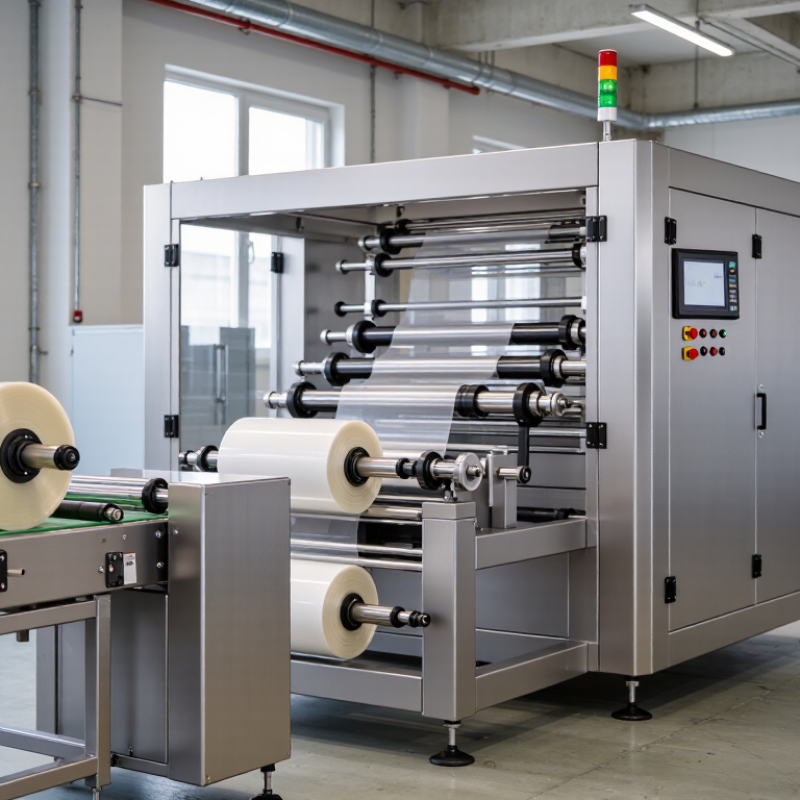
How to Choose the Best Roll Bag Making Machine?

Understanding What a Roll Bag Making Machine Does

A roll bag making machine turns a continuous roll of film into individual bags. The film unwinds from a mounted roll and moves through guides that help keep it aligned. Depending on the machine, it may form a side or bottom seal, add perforations, and cut bags to a set length. Some models also fold the film or wind finished bags onto rolls. That is the basic job.

The machine’s settings affect the finished bag. Film thickness, width, sealing temperature, and feed tension all matter. For example, uneven tension can cause wrinkles, while an incorrect heat setting may create weak or distorted seals. Operators usually check sample bags during setup and adjust settings in small steps. Production speed matters, but it is easy to focus on speed too much. A slower, stable run may reduce waste; actual results depend on the film and machine.

Tips: Ask which bag styles and film types the machine supports. Check the seal and cut on several samples, not just one. Keep a simple record of settings that work. It may not capture every variation, but it gives operators a useful starting point.

Identifying the Bag Types and Materials You Need to Produce

Choosing a roll bag making machine starts with the bags you intend to produce, not the machine’s advertised speed. A produce bag on a perforated roll needs different handling from a thicker drawstring sack. T-shirt bags also require shaped sealing and cutting operations. Define the bag’s width, length, gusset, handle style, and roll direction before comparing equipment.

Material matters just as much. HDPE film is often thin and crisp, while LDPE tends to feel softer and stretch more. These differences affect film tension, sealing temperature, and cutting quality. Recycled or blended films may vary between batches, so a setting that works on one roll may need adjustment on another. Check the machine’s supported film types and thickness range against your actual supplier specifications. Small samples can be misleading.

Ask for a production trial using your intended film and bag dimensions. Watch for weak seals, uneven perforations, wrinkles, and rolls that telescope during winding. Those details can slow packing later. It is easy to focus on maximum output. Less obvious, but important, is whether operators can change sizes without lengthy setup. Record the tested settings and inspect several rolls, not just the first one. A little uncertainty remains until the machine runs your material at sustained speed.

Comparing Machine Features, Capacity, and Compatibility

How to Choose the Best Roll Bag Making Machine?

Comparing Machine Features, Capacity, and Compatibility

A roll bag machine should match the film, finished roll, and daily production target—not just its advertised speed. Check compatible film types, web width, thickness range, core diameter, and maximum roll diameter. Confirm sealing temperature control and perforation accuracy on the actual material. A neat sample roll can hide weak seals or uneven tear lines.

Capacity matters during sustained shifts. Compare rated bags per minute with output during changeovers, roll loading, and routine adjustments. The Flexible Packaging Association’s 2024 State of the U.S. Flexible Packaging Industry reports $42.9 billion in U.S. industry sales for 2023. That scale reflects varied packaging needs, not one standard film specification. Ask suppliers for documented output using your bag dimensions and film gauge. Small details matter. A wider web may raise output, but only if the unwinder and sealing system stay stable.

Compatibility includes upstream film handling and downstream packing. Check whether the machine supports your existing cores, print registration marks, and take-off workflow. Request a trial with your own film, then inspect seal strength, perforation spacing, roll tension, and scrap rate. Also compare changeover time and access to wear parts.

I would not choose by peak speed alone; actual shift data can be messy, and estimates may miss operator pauses. Run a trial. Keep the results, even if they expose a mismatch. That is useful evidence before purchase.

Assessing Automation, Space, and Operator Requirements

How to Choose the Best Roll Bag Making Machine?

Assessing Automation, Space, and Operator Requirements

Automation should match your daily production, not just look impressive on a specification sheet. Check how the machine handles film feeding, sealing, cutting, and bag perforation. Ask how long a changeover takes when switching bag widths or film types. A fast cycle can lose its advantage if adjustments take half a shift. It depends on the job. For frequent product changes, accessible settings and repeatable recipes may matter more than maximum speed. During a supplier demonstration, run the materials and bag sizes you actually use.

Measure the whole working area, not only the machine footprint. Leave room for film rolls, finished-bag collection, cleaning, and maintenance access. A narrow aisle may look acceptable on a floor plan but become awkward when an operator changes a heavy roll. Check where electrical connections and film supplies will sit. Measure twice. It is easy to underestimate the space needed around moving parts and open access panels.

Operator needs deserve equal attention. Review how film tension, temperature, and cutting position are adjusted, and whether routine faults are clear to diagnose. Ask how much training a new operator needs before running a stable shift. If the machine requires frequent manual corrections, planned output may be unrealistic. A simple interface helps, but it cannot replace practical training. I would not rely on a polished demonstration alone; observe a longer run and note how often staff intervene.

Evaluating Total Cost, Maintenance, and Supplier Support

How to Choose the Best Roll Bag Making Machine?

Evaluating Total Cost, Maintenance, and Supplier Support

A roll bag making machine’s purchase price is only the visible part of its cost. Compare five-year expenses for energy, labor, tooling, installation, training, and planned service. Include scrap during setup and output lost when a sealing bar or perforation unit stops. A useful comparison is cost per 1,000 saleable bags, not maximum advertised speed. Small differences add up.

Maintenance deserves close attention. McKinsey’s 2018 analysis, “Predictive maintenance and the smart factory,” estimates predictive maintenance can reduce machine downtime by 30–50% and maintenance costs by 10–40% across applicable manufacturing settings. These figures are not guarantees for bag-making lines; film type, operator skill, and maintenance routines matter. Ask suppliers which wear parts need routine replacement, how quickly they can ship them, and whether troubleshooting support is available remotely. Check the service terms in writing.

Support counts. A fast technical response can matter more than a low quote when production is waiting. Ask for a sample maintenance schedule, training details, and clear response-time commitments. If possible, speak with a current operator and watch a changeover using your film. I would not rely on brochure uptime alone. It is easy to overlook the cost of one awkward adjustment. The right choice is the machine whose total cost and support fit your actual production conditions.