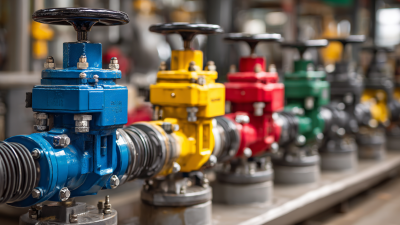
How to Choose the Right Valve Control Valve for Your Needs?
Selecting the right Valve Control Valve can be a complex task. According to industry expert John Smith, “The right valve can enhance system efficiency and reliability.” Choosing a valve involves understanding specific needs and system requirements. With the right guidance, you can avoid common pitfalls.
The Valve Control Valve must match your application. Factors like flow rate, pressure, and temperature are critical. Inaccurate choices can lead to system failures. A well-chosen valve ensures optimal performance and longevity. Consider both technical specifications and your operational context.
It's easy to underestimate the importance of this decision. Many overlook how a small component like a valve can impact overall efficiency. Exploring your options with diligence can make a significant difference. Each choice carries implications for system performance. A cautious approach leads to more reliable outcomes.
Understanding the Purpose of Control Valves in System Operations
Control valves are essential components in various systems, regulating flow and ensuring optimal performance. They help maintain pressure, control temperature, and manage fluid levels. Understanding their purpose is crucial for effective system operations. The right valve can enhance efficiency and safety while preventing costly downtime.
When selecting a control valve, consider the specific application requirements. This includes fluid characteristics, flow rates, and pressure levels. A detailed analysis of these factors can significantly impact reliability. Flawed choices could lead to insufficient performance or frequent maintenance, which is costly.
Communication with experienced professionals is vital. Seek advice from those who understand your particular system needs. Engaging with experts can reveal practical insights that documents may miss. Real-world applications often highlight nuances that matter. Ensure you are asking the right questions to get tailored recommendations. Automation trends may also influence your choice, adding complexity that demands further scrutiny.
Key Factors to Consider When Selecting a Control Valve
When selecting a control valve, several key factors come into play. The valve's size is a critical aspect. Improper sizing can lead to inefficiency. According to a recent industry report, 30% of operational issues stem from incorrectly sized valves. Ensure the valve diameter matches your pipeline specifications. Consider the flow rate and pressure requirements of your system. These parameters heavily influence your choice.
Another significant factor is the material of the valve. Different environments demand different materials. For instance, corrosive fluids require robust materials like stainless steel. Choosing the right material can enhance the valve's lifespan significantly, reducing maintenance costs. Data shows that using appropriate materials can increase durability by up to 50%. Don’t overlook the connection type too; it must align with your piping system to avoid leaks or failures.
Lastly, think about the actuation method. Whether pneumatic, electric, or hydraulic, each method has unique advantages. For example, pneumatic options provide quicker responses, while electric valves offer precision. Research indicates that the right actuation can improve response time by 40%. Always weigh the long-term impacts of your valve selection against your current needs. Finding the ideal balance is uncertain but crucial for operational success.
How to Choose the Right Control Valve for Your Needs? - Key Factors to Consider When Selecting a Control Valve
| Factor |
Description |
Importance |
Examples |
| Type of Fluid |
Identify the properties of the fluid (liquid, gas, corrosive, etc.) to determine the valve material. |
High |
Water, Oil, Steam, Chemical Solutions |
| Pressure Rating |
Select a valve that can handle the operating pressure of your system. |
High |
ANSI Class 150, 300, 600 |
| Temperature Range |
Consider operating temperature to ensure valve materials can withstand it. |
Medium |
-40°F to 300°F, -40°C to 150°C |
| Valve Size |
Ensure the valve size matches the piping system for optimal flow. |
High |
2", 4", 6" diameter |
| Control Signal |
Determine the type of control signal required ( Pneumatic, Electric, Hydraulic). |
Medium |
4-20mA, 0-10V, On/Off |
| Actuator Type |
Choose between electric, pneumatic, or hydraulic actuators based on application. |
Medium |
Spring return, Double acting |
| Body Material |
Choose materials that resist corrosion and wear based on the fluid used. |
High |
Stainless Steel, Brass, PVC |
Types of Control Valves and Their Applications
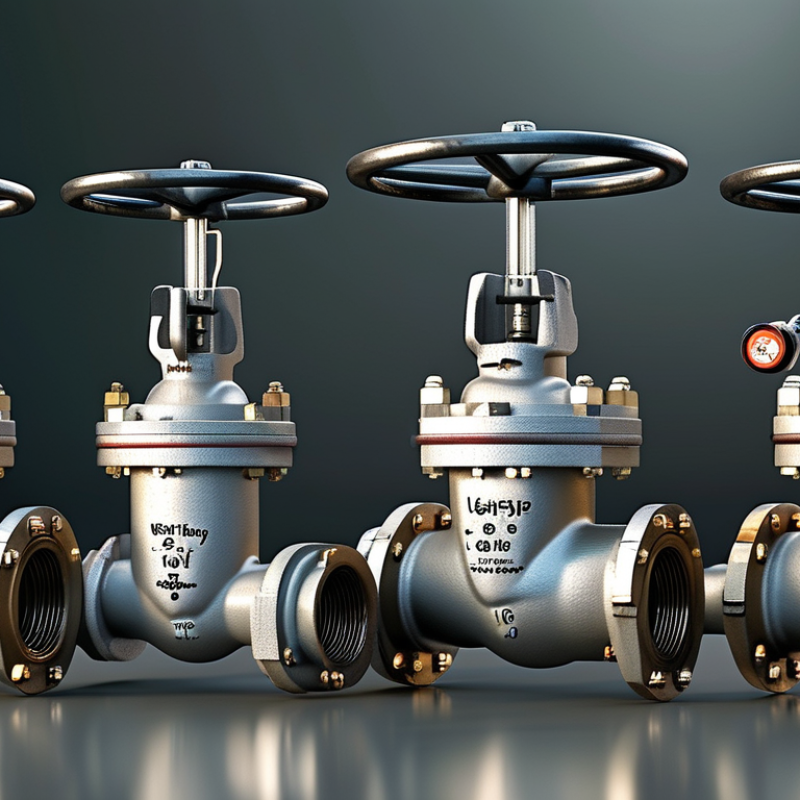
Selecting the ideal control valve is essential for effective process management. There are various types of control valves available, each serving specific applications. The three main types are globe valves, ball valves, and butterfly valves. Globe valves are known for their precise flow control, making them suitable for applications requiring fine adjustments. Ball valves, on the other hand, excel in providing quick on-off control, ideal for pipeline isolation. Butterfly valves are lightweight and offer quick operation, making them suitable for large volume flow.
Recent industry reports highlight that over 40% of control valve failures are attributed to incorrect selection for the application. This statistic underscores the importance of understanding each valve type's characteristics. For instance, when high flow rates are essential, a butterfly valve might be preferred. However, if tight shutoff is required, a globe valve would be more appropriate. Operators must assess factors like pressure, temperature, and medium type before making a choice.
In process control, reliability cannot be overlooked. Data indicates that poorly maintained control valves can lead to process inefficiencies and increased operational costs by up to 20%. Regular inspection and adherence to maintenance schedules can enhance valve lifespans significantly. However, even the best selection does not guarantee performance if operational parameters are ignored. Understanding these nuances is critical for optimizing system performance.
Control Valve Types and Their Applications
Evaluating Material Compatibility for Control Valve Selection
Selecting the right control valve requires careful evaluation, especially regarding material compatibility. Different fluids can corrode or degrade materials, leading to valve failure. According to a report by the Valve Manufacturers Association, nearly 30% of valve failures are due to improper material selection. This statistic highlights the significance of understanding fluid properties and valve materials.
For instance, stainless steel is commonly used due to its resistance to corrosion. However, it may not be suitable for highly acidic or alkaline fluids. In such cases, plastics or specialized alloys may provide better longevity. The corrosive nature of a fluid can diminish the lifespan of a valve significantly, sometimes by as much as 50%. Engineers should conduct compatibility testing when in doubt, which can save costs in the long run.
Another critical factor is temperature. Some materials lose strength at high temperatures, risking valve integrity. A temperature fluctuation might cause expansion or contraction, leading to leakage. Choosing appropriate seals and gaskets is also essential as they can be the weakest link in the system. Make sure to analyze all these factors thoroughly to avoid costly failures in your operations.
Assessing Performance Specifications for Control Valve Efficiency
When selecting a control valve, performance specifications are crucial for ensuring efficiency. Control valves must effectively regulate flow and pressure. The right valve improves system performance and guarantees safety. A report by the International Society of Automation highlights that improperly selected valves can reduce system efficiency by up to 30%. This is a significant loss that impacts productivity and energy consumption.
Efficiency can be influenced by the valve's flow coefficient (Cv) and response time. A valve with a high Cv allows greater flow, while lower response times ensure quick adjustments. However, balancing these factors can be complex. An overly large valve may lead to chattering, whereas a small valve might not handle the necessary flow. Research shows that maintaining proper sizing can enhance control accuracy and reduce wear on system components.
Furthermore, operating conditions like temperature and pressure must be considered. Extreme conditions may require specific materials or designs to ensure reliability. In some cases, users underestimate the relevance of this assessment, resulting in costly maintenance or replacements. Engaging with industry experts can clarify these specifications. Ultimately, understanding these performance specifications lays a strong foundation for efficient control valve selection, improving overall system dependability.