Why Choose the Right Elevator Valve for Your Project?
When planning a project that requires elevators, the choice of the Elevator Valve is crucial. Selecting the right valve impacts the entire system's efficiency and safety. An effective Elevator Valve ensures smooth operation, reducing wear and tear over time. Inefficiencies in valve selection can lead to unexpected downtimes and increased costs.
Project managers often overlook the significance of the Elevator Valve. However, its role in hydraulic systems is critical. A mismatch can result in performance issues, safety hazards, and even legal complications. Understanding valve specifications and compatibility is essential. Seek advice from industry experts to navigate this complex decision.
Choosing the appropriate Elevator Valve requires careful consideration. Experience shows that even small mistakes can have long-term repercussions. Prioritize collaboration with manufacturers and suppliers to gain insights. A well-informed decision will enhance your project's success and longevity.
Understanding Elevator Valve Functions and Types
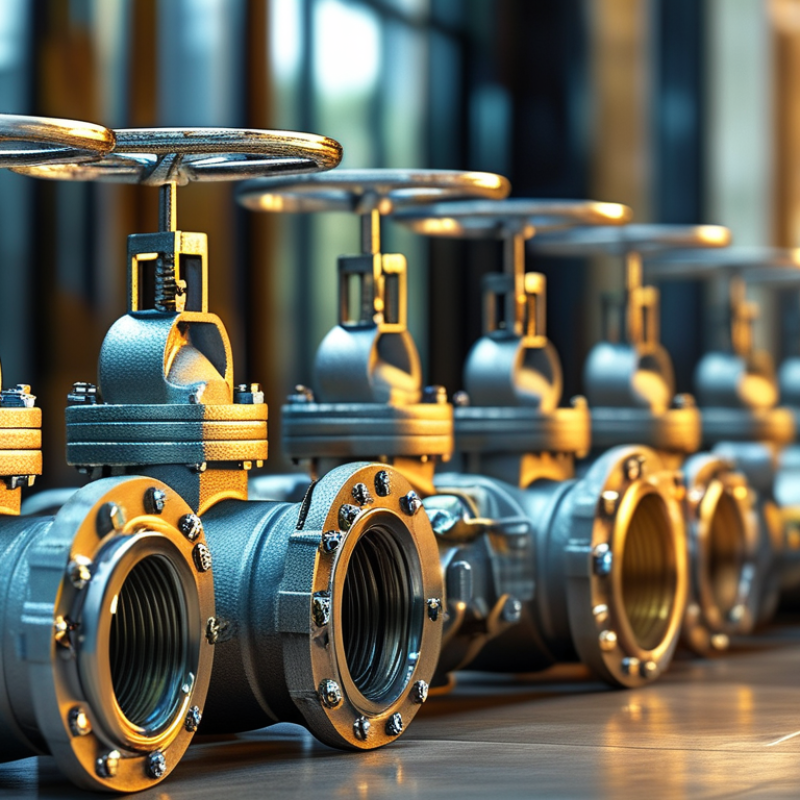
When selecting the right elevator valve, understanding its functions is crucial. Elevator valves maintain the necessary pressure for smooth elevator operation. They control fluid flow within the system. The efficiency of an elevator largely depends on this component. A well-functioning valve can enhance safety and performance.
Different types of elevator valves exist. Proportional valves adjust flow based on demand. These offer efficiency and precision but can be complex. Then, there are check valves, which prevent backflow, ensuring that elevators operate correctly. However, check valves can wear out, leading to potential issues. It's essential to assess the specific needs of your project.
Choosing the right type isn't always straightforward. Each building has unique requirements. The wrong valve can lead to safety risks or inefficiency. Consider consulting with professionals who have hands-on experience. Their insights can guide you in making informed decisions. Understanding these elements will greatly impact your project’s success.
Comparison of Elevator Valve Types
Key Factors in Selecting the Right Elevator Valve
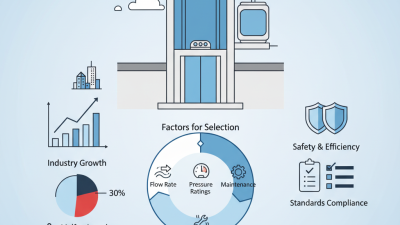
When selecting an elevator valve, understanding key factors is crucial. The valve type should align with your project's specific needs. Consider the capacity and the fluid medium. A valve that works well in one situation might fail in another. Be mindful of the environment where the valve will operate.
Durability is another significant consideration. Some valves perform reliably in harsh conditions, while others may not. An ineffective choice can lead to costly maintenance and downtime. Always evaluate the valve's material and build quality.
Consulting with experienced professionals can also provide invaluable insights. Their expertise can guide your decision-making process. However, each project is unique, requiring a tailored approach. Reflect on past projects to identify any previous challenges you faced with valve selection. Adapting your strategy based on these lessons can lead to better outcomes.
Impact of Valve Quality on Elevator Performance
Choosing the right elevator valve significantly impacts overall elevator performance. A well-designed valve ensures smooth operation, enhancing user experience. High-quality valves minimize wear and tear, reducing maintenance costs. Conversely, inferior valves can lead to erratic performance and safety issues.
The quality of materials used in valves matters. Durable materials resist corrosion and wear. Poor material selection can compromise functionality. Valves need to maintain precise pressure and flow rates. Otherwise, elevators may experience delays or malfunctions.
Not all elevator systems are the same. Some may require specialized valves for optimal performance. Understanding specific project needs can help in selecting the right valve. However, many still overlook this fundamental aspect. The choice of valve can make or break an elevator’s reliability.
Common Mistakes to Avoid When Choosing Elevator Valves
When selecting elevator valves, common mistakes can lead to significant issues down the line. One mistake is overlooking the valve specifications. Each project has unique demands that require specific valve features. Ignoring these can result in inadequate performance or even system failures.
Another common error is failing to consult with experienced professionals. Not seeking expert advice may cause misunderstandings about the installation process. Missteps during installation can lead to increased maintenance costs later. It's crucial to engage with knowledgeable technicians who can offer insights tailored to your specific project needs.
Cost is often a primary concern, but choosing cheaper options without considering quality can backfire. These valves might fail sooner or be incompatible with your system. Investing in reliable components is essential for long-term function. Always assess the long-term value rather than focusing solely on the initial price. Make informed decisions based on thorough research and expert recommendations.
Best Practices for Installing Elevator Valves in Projects
Choosing the right elevator valve is crucial for any project. Proper installation practices ensure optimal performance and safety. First, focus on the location of the valve. It should be easily accessible for maintenance. Consider the surrounding environment. Humidity, temperature, and debris can affect valve functionality. A clean, dry space can extend lifespan.
During installation, follow manufacturer guidelines closely. Make sure all connections are secure. Proper sealing prevents leaks. Use torque specifications to tighten bolts. Too tight can cause damage, while too loose may lead to failures.
Remember to test the valve after installation. Operational tests help identify issues early. A slow response time could indicate improper installation. Reflecting on the installation process is key. Gather feedback from the team. Continuous improvement leads to better outcomes.