Top Tips for Choosing the Right Fuse and Relay Box?
When it comes to vehicle maintenance, selecting the right Fuse And Relay Box is crucial. An appropriate fuse and relay setup can prevent accidents and costly repairs. A carefully chosen box ensures reliable electrical flow and protects components from damage. Understanding how these components work is vital for car owners and mechanics alike.
Choosing a Fuse and Relay Box requires knowledge of your vehicle’s electrical system. Factors such as amperage, size, and compatibility play significant roles in this process. Specifications can differ dramatically among vehicle models, presenting a challenge in finding the best fit.
Many overlook the importance of quality when selecting a Fuse and Relay Box. Some products may seem appealing based solely on price. However, cheap options often lack durability and can fail when you need them most. It is worth investing time in research to ensure you pick a reliable fuse and relay box that meets your needs, enhancing both performance and safety.
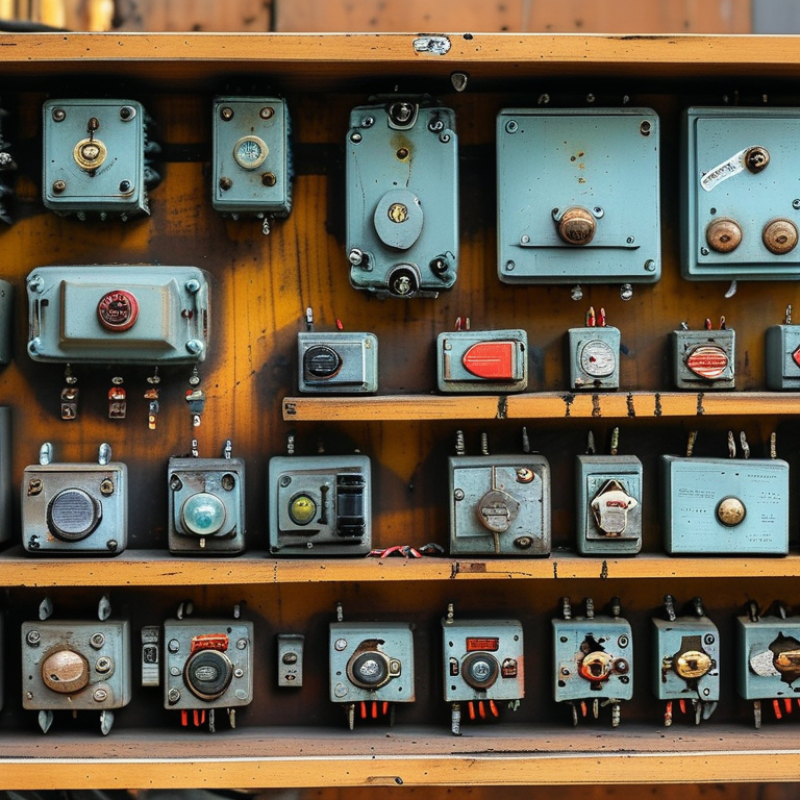
Understanding the Role of Fuse and Relay Boxes in Electrical Systems
Fuse and relay boxes play a crucial role in the electrical systems of vehicles and machinery. They protect circuits from overcurrent and facilitate the operation of devices. According to industry data, approximately 30% of electrical system failures stem from improper management of fuses and relays. Understanding how these components function can prevent costly downtimes.
Proper selection of fuse types is vital. Fuses must match the voltage and current ratings of the circuits they protect. Inadequate specifications can lead to premature tripping or catastrophic failures. In fact, a report from the National Electric Code (NEC) suggests that using the right fuse can enhance system reliability by up to 25%. Relay boxes, on the other hand, manage higher current loads and help ensure safe operations of various electrical components.
Misunderstandings about their roles are common. Some users underestimate the importance of matching fuses to both the load and the specific application. This can lead to inefficient operations. Additionally, many overlook the need to regularly inspect these boxes for corrosion or damage. Regular maintenance can significantly extend the lifespan of electrical systems, as neglected components can fail when least expected, complicating repairs and increasing costs.
Fuse and Relay Box Selection - Key Factors
This bar chart illustrates the key factors to consider when selecting a fuse and relay box, along with their importance levels. Voltage rating and current rating are the most critical, followed closely by the number of circuits and physical size.
Identifying Key Factors in Selecting a Fuse and Relay Box
Choosing the right fuse and relay box is crucial for ensuring electrical safety and efficiency. One key factor to consider is the current rating of the box. According to industry reports, improperly rated boxes can result in overheating, leading to equipment failure or even fire hazards. It is important to match the fuse and relay ratings to the specific requirements of the system.
Another factor is the environment where the box will be installed. For outdoor applications, consider weatherproof models. A study by the Electrical Safety Foundation International (ESFI) found that nearly 30% of electrical issues stem from environmental exposure. Ensuring the box can withstand moisture and dust is vital.
Additionally, the ease of access for maintenance should not be overlooked. A well-designed box allows for quick replacement of fuses and relays, minimizing downtime. Reports indicate that 15% of maintenance delays are due to difficult access. Reflect on whether the design allows sufficient room for tools and workspace. Factors like these can make a significant difference in long-term reliability.
Evaluating the Specifications and Ratings for Compatibility
Choosing the right fuse and relay box is crucial for automotive and electrical applications. Evaluating specifications and ratings ensures compatibility with your system. For instance, voltage ratings are essential. The National Electrical Manufacturers Association (NEMA) states that mismatch can lead to overheating.
Pay attention to amperage. Each fuse has a specific current rating. Exceeding this can cause failures or fires. The International Electrotechnical Commission (IEC) recommends utilizing fuses that match your circuit's load. Regular assessments can reveal discrepancies. Always utilize a fuse rating chart for reference. It's vital to understand these metrics.
Consider the physical size of the fuse box. It must fit your installation space. There are standard sizes that adhere to IEC standards. However, custom boxes can be necessary in specialty vehicles. Ensure they meet thermal resistance standards to prevent melting. This requires professional assessment to avoid costly mistakes. Ignoring these factors can lead to severe implications for safety and performance.
Considering Size and Layout for Installation Efficiency
When selecting a fuse and relay box, size and layout are crucial for installation efficiency. A well-organized layout minimizes potential issues during installation. Measure the designated space carefully before purchasing your box. Know the dimensions required to ensure a proper fit.
Consider access points for wiring and maintenance. A compact design can save space but may complicate connections. Arrange components logically to improve wiring flow. Ensure the fuse and relay locations are convenient for quick replacements. Having to maneuver through cramped spaces is frustrating.
Maintain a balance between functionality and accessibility. A layout that prioritizes efficient response can reduce downtime later. Reflect on past installations and improve. Not every effort will go smoothly, but learning from mistakes is essential. Each project brings unique challenges, so adaptability is key for effective results.
Top Tips for Choosing the Right Fuse and Relay Box - Considering Size and Layout for Installation Efficiency
| Dimension | Recommendation | Notes |
| Size | Choose a compact design for tight spaces | Consider the available installation space |
| Layout | Plan for easy access to components | Ensure the arrangement allows for future modifications |
| Mounting Options | Select between surface mount and flush mount | Check for installation flexibility |
| Wire Entry | Consider side or top wire entry | Facilitates easier wiring and reduces strain |
| Protection Rating | Choose an appropriate IP rating | Ensure durability against environmental factors |
Assessing Quality and Reliability of Manufacturers and Brands
When selecting a fuse and relay box, assessing the quality and reliability of manufacturers is crucial. A robust study by the National Electrical Manufacturers Association (NEMA) revealed that failures in electrical components can reach up to 10% of cases. This statistic emphasizes the need for careful evaluation of manufacturers.
Look for brands with extensive industry experience. Companies that have been in the market for over a decade often show better quality and reliability indicators. According to industry insights, products from established manufacturers tend to have lower failure rates. Data shows that newer companies may lack rigorous testing protocols, resulting in unreliable products.
Certifications such as ISO 9001 can add another layer of assurance regarding product quality. However, not all certified manufacturers deliver the same level of performance. It's important to investigate how these certifications translate into real-world reliability. Research feedback from other users. Sometimes, anecdotal evidence can reveal gaps that data may not reflect. Understanding the specific needs of your application is key. The wrong choice can lead to failures, highlighting the importance of thorough consideration before making a decision.