How to Use a Coaxial Attenuator Effectively?
In the world of telecommunications, signal integrity is crucial. Coaxial Attenuators play a significant role in achieving that integrity. According to a recent industry report, approximately 20% of signal issues stem from improper attenuation. This highlights the importance of using Coaxial Attenuators effectively.
When utilized correctly, a Coaxial Attenuator can mitigate interference and enhance overall performance. However, many users overlook specific operational guidelines, leading to less than optimal results. An analysis indicates that nearly 30% of installation errors arise from a misunderstanding of the attenuator's specifications.
Effective utilization requires understanding of both the technical aspects and the practical applications. Users often make the mistake of selecting an attenuator without considering its impact on the system. This can lead to signal loss that contradicts the initial purpose. Reflections on frequent practices show that even experienced engineers sometimes fall into this trap.
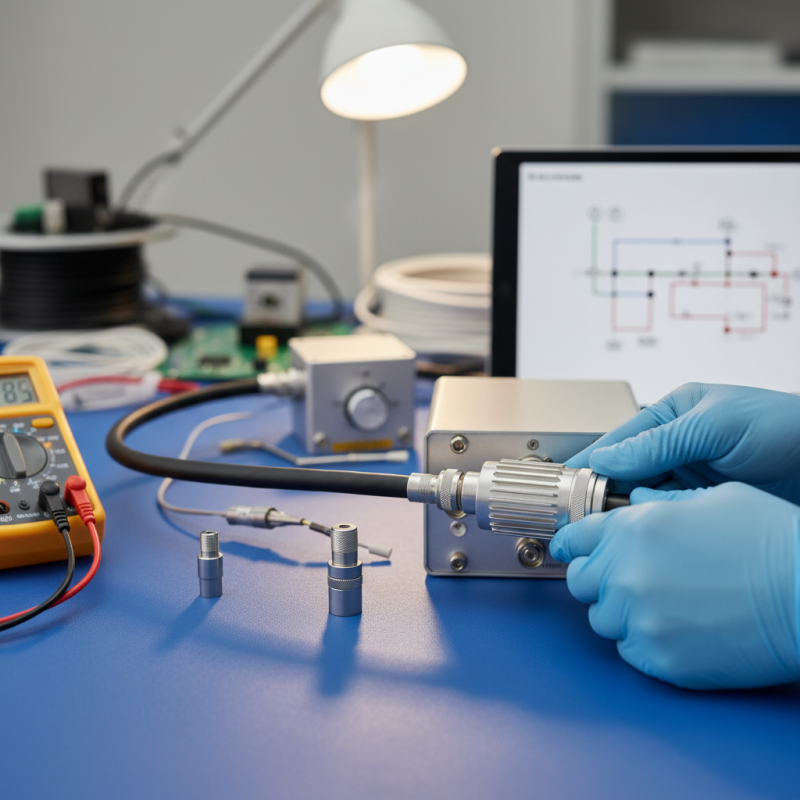
Understanding Coaxial Attenuators and Their Use Cases
Coaxial attenuators are essential in various applications. These devices reduce signal strength without distortion. They work by dissipating energy, ensuring that equipment receives appropriate power levels.
In telecommunications, coaxial attenuators are common. They help manage signal levels in transmission lines. For instance, in a crowded setting, they can prevent signals from becoming too strong. This keeps devices from malfunctioning. Understanding the specific needs of a project helps in choosing the right attenuator.
Many users overlook the importance of precision. Sometimes, using an attenuator can lead to unexpected results. They may attenuate too much or too little. Testing different models is crucial to achieving optimal performance. A good understanding of your system’s requirements makes a big difference.
Determining the Right Attenuation Level for Your Setup
Choosing the right attenuation level for your setup is crucial. Too much attenuation can weaken your signals. On the other hand, too little can lead to distortion. You need to find that sweet spot for optimal performance.
Start by evaluating your system requirements. Consider the frequency range and the maximum power levels. Test different attenuation levels to see how each affects signal clarity. Sometimes, a slight increase can yield better sound without interrupting the signal flow.
It's also important to pay attention to the environment. External sources of interference can skew results. Many users overlook this aspect. Additionally, documenting your tests helps refine your future choices.
You might find that what worked yesterday may not be effective today. Keep adjusting and learning from each setup.
Installation Tips for Coaxial Attenuators in Signal Path
Installing coaxial attenuators can greatly enhance your signal quality. Proper placement is crucial for achieving optimal results. Make sure you identify the right position within your signal path. Attenuators work best when installed close to the source. This helps in reducing unwanted noise before it reaches the rest of the system.
When connecting attenuators, double-check the impedance matching. Mismatched impedances can lead to signal loss. Use short cable runs to minimize additional signal degradation. Avoid tight bends in the cables; this can affect performance. Also, check the quality of your connectors. Poor connections can introduce interference that negates the benefits of the attenuator.
While iterating through your installations, remember that not every configuration will yield perfect results. Be prepared to make adjustments based on your specific setup. Sometimes, what seems ideal may actually introduce new issues. Reviewing the entire signal path can provide insights into unexpected problems. Take notes on each installation, noting what works and what doesn’t. This reflection will guide future setups.
Common Mistakes to Avoid When Using Coaxial Attenuators
Using coaxial attenuators can enhance signal quality, but mistakes can hinder performance. One common error is incorrect installation. Ensure the attenuator is properly seated in the circuit. Loose connections can result in signal loss and unwanted noise.
Another mistake involves ignoring the specifications. Each attenuator has a specific range. Using one outside of its specifications can distort signals. It’s vital to match the attenuator's power rating with the equipment. Overloading can lead to permanent damage.
Users often overlook cable quality. Low-quality cables can introduce additional attenuation. Always use high-grade coaxial cables to maximize efficiency. Failing to do so can obscure the benefits of using an attenuator. Reflect on these points to enhance your experience.
Coaxial Attenuator Usage Effectiveness
This bar chart illustrates the effectiveness of coaxial attenuator usage, highlighting common mistakes that can lead to reduced performance. Proper usage achieves the best results, while issues such as improper connections and frequency mismatch significantly decrease effectiveness.
Maintenance and Troubleshooting for Coaxial Attenuators
Coaxial attenuators are crucial for signal control. However, they can face issues over time. Regular maintenance is vital to ensure optimal performance. Check the connectors frequently for wear and tear. Look for signs of corrosion or looseness. Such issues can degrade signal quality significantly.
Troubleshooting can be tricky. Start by inspecting the coaxial cables connected to the attenuator. Look for visible damage. If the signal remains weak, try switching the attenuator to another port. Sometimes, the issue lies not in the attenuator itself but in the connected equipment. Testing with different devices can provide clarity.
Calibration is important too. If signals fluctuate unexpectedly, recalibrating the attenuator might be necessary. However, this is often overlooked. Users might think it is functioning fine. In reality, some adjustments could greatly enhance performance. Regular checks and a little patience can lead to significant improvements.
How to Use a Coaxial Attenuator Effectively? - Maintenance and Troubleshooting for Coaxial Attenuators
| Attribute | Description | Common Issues | Maintenance Tips |
| Impedance | Typical impedance values are 50 Ohms or 75 Ohms. | Mismatch can cause signal reflections. | Verify impedance before connection. |
| Attenuation Level | Quantifies how much the signal is reduced. | Incorrect level can affect performance. | Use suitable attenuation for your application. |
| Temperature Range | Typically rated for -40 to +85 degrees Celsius. | Overheating can cause failure. | Avoid high temperatures and ensure ventilation. |
| Connector Type | Common types include N, BNC, SMA. | Misconnections can lead to equipment damage. | Ensure compatibility with both ends of the cable. |
| Frequency Response | Performance across specified frequency ranges. | Inaccurate performance can result from poor quality. | Choose attenuators suited for your frequency band. |