
In the realm of electrical distribution, the Electrical Ring Main Unit (RMU) stands out as a reliable and efficient solution. John Smith, an industry expert from PowerTech Solutions, emphasizes, “The RMU not only enhances safety but also improves system performance.” This statement underlines its crucial role in modern electrical infrastructure.
The Electrical Ring Main Unit is designed to handle medium voltage distributions efficiently. It connects multiple feeders, ensuring a stable power supply. Its ring configuration allows for redundancy, which improves reliability. This is essential in preventing power outages in critical areas.
However, while the benefits are clear, there are challenges in implementation. Proper installation and maintenance are vital for optimal performance. An Electrical Ring Main Unit can be complex and requires professional expertise. Thus, ongoing training and support in the field are paramount to maximize its potential.
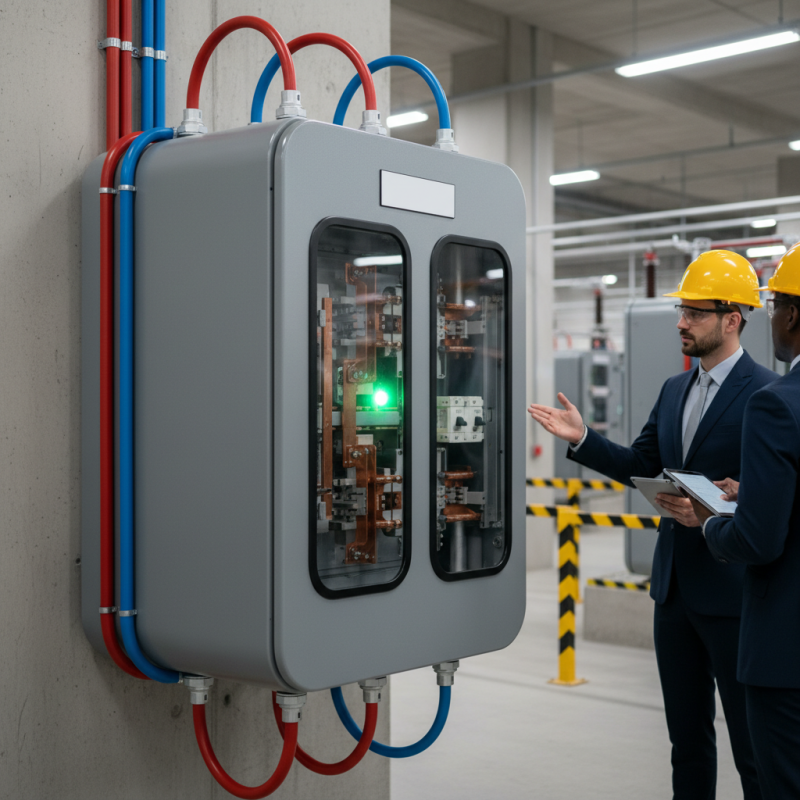
An Electrical Ring Main Unit (RMU) is a crucial component in medium-voltage distribution systems. It functions as a switchgear that allows for the effective management of electricity flow within a network. Typically found in urban and industrial areas, RMUs help in connecting power sources to various loads, enhancing reliability and safety in electrical distribution.
The design of an RMU usually involves multiple switchgear functions, including protection, isolation, and control. According to the latest industry reports from the International Energy Agency, RMUs have been shown to improve energy efficiency by reducing transmission losses, which averages to about 5-10% within city grids. This reduction is significant, especially as cities aim for sustainable energy practices. An RMU also minimizes the risk of unplanned outages, contributing to consistent power supply and yielding a better return on investment for utilities.
However, the implementation of RMUs is not without challenges. Installation requires careful planning and qualified personnel to ensure compliance with safety standards. Additionally, maintenance can be overlooked, leading to potential reliability issues. As the industry moves towards smart grids, RMUs must evolve to integrate with digital technology. Understanding these factors is crucial for maximizing the benefits of Electrical Ring Main Units in modern power systems.
An Electrical Ring Main Unit (RMU) is a compact and essential component in modern electrical systems. These units distribute electricity efficiently, especially in urban areas. To understand their functionality, it’s crucial to look at their key components.
One primary component of an RMU is the switchgear. This device manages power flow and protects against overloads. It can disconnect parts of the circuit during maintenance or faults. Another vital part is the circuit breaker, which automatically interrupts the circuit during a fault. These breakers enhance safety by preventing damage to equipment. The RMU also includes load break switches, which allow controlled disconnection of circuits without needing to de-energize the whole system.
Each part must work seamlessly together. However, if there is any failure, it could lead to significant operational setbacks. Regular inspections and maintenance are essential for reliability. Despite their benefits, RMUs can be complex and require careful understanding. Knowing how to troubleshoot and address issues is crucial for engineers and operators. Proper training can mitigate risks and improve operational efficiency in electrical networks.
Electrical Ring Main Units (RMUs) are vital for modern electrical distribution systems. They ensure reliability and safety in power supply. Their compact design allows for efficient space utilization in urban settings. An RMU operates by connecting multiple feeders to a centralized switch. This setup minimizes the risk of power interruptions in case of faults. When a fault occurs, the RMU isolates the issue, protecting the overall system.
The core operation involves several key components. The switchgear has circuit breakers to manage electrical flow. Insulations are robust, ensuring safety in various conditions. Many RMUs feature automated mechanisms for monitoring. These systems continuously check for potential faults. Operators can quickly assess the status and respond.
However, not all RMUs function flawlessly. Maintenance is crucial for optimal performance. Neglect might lead to failures, causing power outages. Understanding the limitations helps in effective management. Each unit must be evaluated regularly. Such practices enhance safety and efficiency in electric distribution.
An Electrical Ring Main Unit (RMU) is a crucial component in modern electrical distribution systems. Its design allows for an efficient way to manage power distribution in a network. One significant benefit of using an RMU is its ability to enhance reliability. Studies indicate that using ring configurations can reduce downtime by up to 30%.
Additionally, RMUs are compact and space-efficient compared to traditional substation setups. This compactness can lead to lower installation costs and easier integration into existing infrastructures. Industry reports have shown that up to 50% of space can be saved when deploying an RMU instead of conventional switchgear.
However, it’s essential to acknowledge potential challenges with RMUs. Maintenance can be complex, especially if operators are not adequately trained. There might be risks if the RMU is not installed correctly. Ensuring regular checks and updates to the unit is vital. Balancing these challenges with the benefits is crucial for effective electrical management.
Electrical Ring Main Units (RMUs) play a crucial role in modern infrastructure. They are particularly beneficial for urban environments, where reliable power distribution is essential. RMUs can be found in various applications such as commercial complexes, hospitals, and industrial parks. According to industry reports, over 80% of urban infrastructure projects now incorporate RMUs to enhance safety and reliability in electricity distribution.
In addition to their widespread use, RMUs are designed to improve system efficiency and reduce maintenance costs. By utilizing a ring topology, they create multiple pathways for electricity, ensuring uninterrupted power supply even if one pathway fails. This redundancy is attractive for essential services that cannot afford downtime. The average downtime is reduced by 30% in facilities using RMUs, according to a recent survey.
Tips: Regular maintenance checks can extend the lifespan of RMUs. Furthermore, ensuring proper grounding and protection measures will help mitigate potential faults.
Another advantage of RMUs is their compact design. This space-saving feature is ideal for crowded urban settings, where real estate is at a premium. Positioning RMUs correctly can prevent network congestion and decreases the chances of power outages. However, oversight in installation can lead to inefficiencies. Thus, proper planning is vital.