10 Essential Tips for Choosing Wood Walls for Your Space?
When considering renovations or interior design, choosing Wood Walls can elevate your space significantly. Wood walls bring warmth and character to any room. The natural textures and hues create an inviting atmosphere. However, making the right choice requires careful thought and planning.
Selecting the perfect wood type is not just about appearance. Different woods have varying durability, maintenance needs, and costs. You might adore the look of reclaimed wood, but is it the best choice for your lifestyle? A careful evaluation of your environment and usage is essential. Take time to consider how each wood option interacts with your existing décor.
Additionally, wood walls can evoke different feelings based on their finish. A shiny, varnished surface might create a modern vibe, while a matte finish often leans toward rustic charm. Consider how these finishes will affect light and space perception. Not every choice will be a perfect fit, and some decisions may lead to regrets. Reflecting on these aspects can guide you in selecting the ideal wood walls that complement your home.
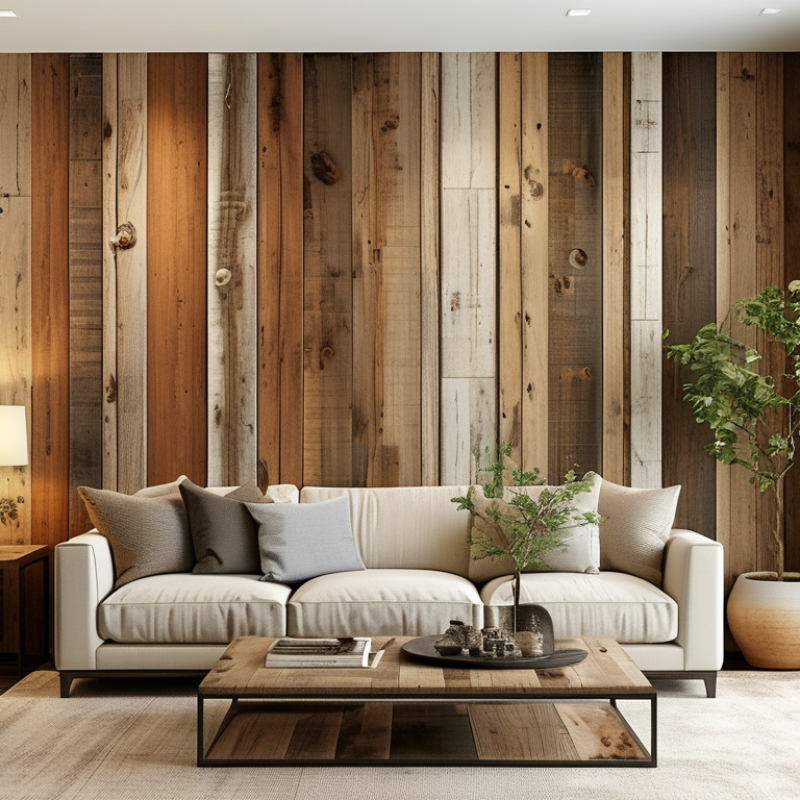
Understanding Your Space: Assessing Size and Functionality
When considering wood walls for your space, assessing size and functionality is crucial. Start by measuring the dimensions of the area you want to cover. High ceilings can handle large panels, while smaller spaces may benefit from narrow planks. Consider the height of your walls. Shorter walls might feel cramped with large-scale wood features. Choose wisely to create balance.
Functionality is another key aspect. If the area is a living room, opt for warm-toned woods to create a cozy feeling. In contrast, lighter woods can open up a cramped kitchen. Reflect on how you use the space. A home office demands a calm atmosphere, so choose muted tones. Alternatively, vibrant woods could energize a playroom. Sometimes, the instinct to go bold can lead to overwhelming results.
Selecting the right wood also involves contemplating its texture. Smooth finishes can feel sleek but may lack warmth. Conversely, rough-hewn wood offers rustic charm yet might not suit every decor. Think critically about how these elements work together. In the end, ensure your choices reflect both style and practicality for a harmonious environment.
Choosing the Right Wood Type: Hardwoods vs. Softwoods
When selecting wood walls, understanding the type of wood is crucial. Hardwoods, often from deciduous trees, are dense and durable. They resist scratches and dents, making them ideal for high-traffic areas. Common hardwoods include oak, maple, and walnut. A study by the Forest Products Laboratory reported that hardwoods can last significantly longer than softwoods when maintained properly.
Conversely, softwoods come from coniferous trees. They are generally lighter and easier to work with. Cedar and pine are popular softwoods. They might not withstand heavy impacts as well as hardwoods, but they can be more affordable. A National Forest Products Association report noted that softwoods are gaining popularity in interior design due to their unique textures and warmth.
Tip: Consider your space’s usage before choosing wood. If you have kids or pets, opt for hardwoods for their durability. If you’re looking for a cozy vibe, softwoods might be the way to go. Remember, the aesthetic appeal varies significantly between wood types, influencing your overall design vision. Choose wisely to ensure lasting beauty.
Finishes and Treatments: Enhancing Durability and Aesthetics
When choosing wood walls, finishing and treatment options play a crucial role in longevity and style. Various treatments enhance durability while adding character. Consider using stains to deepen the wood’s natural hues, presenting a rich visual appeal. Matte finishes can bring warmth, while gloss offers a contemporary feel. These choices impact how light interacts with your walls.
Selecting the right finish can be challenging. Some people prefer glossy surfaces, believing they are easier to clean. However, they may highlight imperfections more than matte options. Furthermore, proper sealing is essential. Without it, moisture can ruin even the most beautiful wood surfaces. Remember to reflect on your environment; humidity levels can change how wood behaves over time.
A clear coating can protect wood from scratches and fading. This layer enhances visual depth while keeping the surface safe. However, remember that over time, even the best finishes require maintenance. Regular touch-ups and cleaning can preserve the beauty of your walls. Choosing the right finish is as much about preference as it is about care. Your space should echo your style while being resilient against wear.
Color and Texture: Matching Wood Walls with Interior Design Styles
When selecting wood walls, understanding color and texture is crucial for achieving harmony with your interior design style. Warm wood tones, such as oak and pine, can complement rustic themes, while cooler shades like walnut may enhance modern aesthetics. According to a recent industry report, about 65% of homeowners prefer natural textures to evoke a sense of calm in their spaces.
Tip: Consider the existing color palette. If your decor features soft pastels, light woods can enhance the airy feel. On the other hand, darker woods can add depth to neutral tones.
Texture plays a significant role as well. Smooth finishes offer a sleek look, ideal for contemporary designs. In contrast, reclaimed wood introduces character, making it perfect for eclectic or farmhouse styles. A study from the American Society of Interior Designers found that texture can influence mood and perception, making it an essential aspect to consider.
Tip: Don't underestimate the importance of grain patterns. Unique grains can become focal points, drawing the eye and sparking conversation. It's important to balance these details with the overall design, ensuring they enhance rather than overpower the space.
Installation Options: DIY vs. Professional Help
When considering wood walls for your space, deciding between DIY installation or hiring professionals is critical. A recent study by the National Wood Flooring Association highlights that nearly 80% of homeowners prefer professional installation for wood features. Professional installers can ensure precision and proper finishing, reducing the risk of costly mistakes.
If you choose to go the DIY route, ensure you have the right tools and knowledge. Some tips include measuring your space accurately and selecting appropriate wood types that fit your climate. Remember, wood's natural expansion can lead to warping. Although DIY projects can save money, they often require time and effort, which can lead to frustration.
Involving professionals may be ideal for complicated designs or larger spaces. Their experience can add significant value, ensuring durability. Reports show that properties with expertly installed wood walls often see a return on investment of up to 80%. While the initial cost may be higher, the long-term benefits are usually worth it. Balancing your budget, skill level, and design objectives can guide your decision.