How to Choose Insulated Metal Panels?
Choosing Insulated Metal Panels starts with understanding what the building needs, not with comparing brochure claims. A refrigerated warehouse, a workshop, and a retail façade face different demands. Insulated Metal Panels combine exterior metal skins with an insulating core, but their performance depends on the complete panel system. Details matter.
Begin with the project’s thermal targets, climate, and intended use. Compare published R-values or U-factors on a like-for-like basis, and check the stated test conditions. Then consider panel thickness, core type, metal gauge, finish, and available lengths. A panel that looks right in a sample can still fall short when its joints, fasteners, or transitions are poorly detailed. Cold corners tell the story.
Moisture control, fire performance, structural loads, and acoustic needs also belong in the decision. Ask manufacturers for current technical data, installation instructions, warranties, and documentation for relevant project requirements. Confirm that the proposed assembly—not only the panel core—fits the design and local approval process. Product names alone are not proof.
Installation quality can shape real-world results as much as the specification. Review joint design, flashing details, substrate conditions, and installer experience before ordering. Also compare lead times, replacement-panel availability, and maintenance needs. The lowest initial price may not represent the lowest long-term cost. Still, no checklist removes every uncertainty; unusual site conditions deserve careful review. A sound choice balances measurable performance with practical construction details, and makes its assumptions clear before work begins.
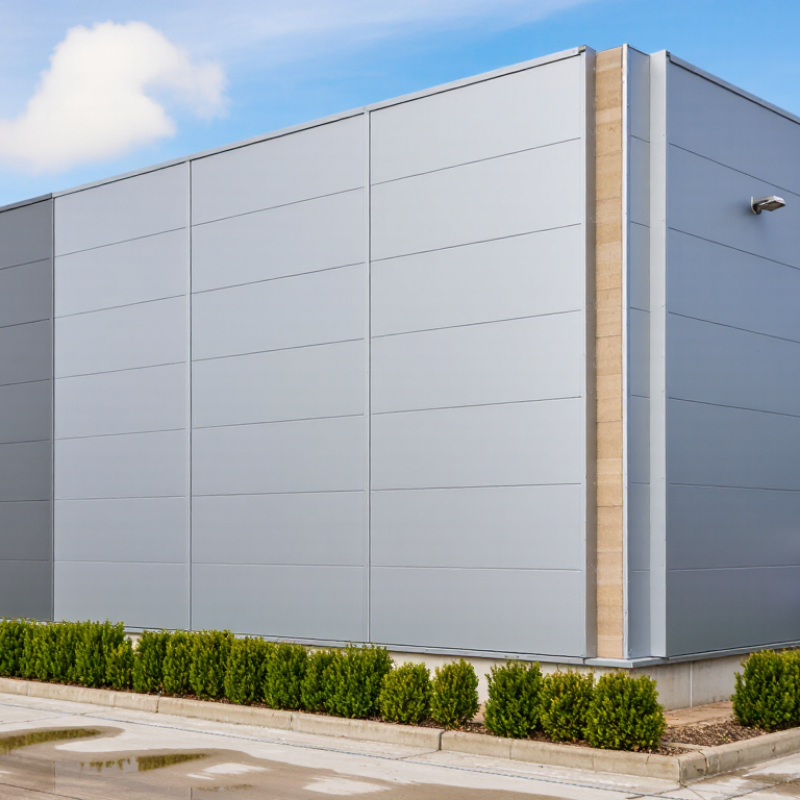
How to Define Project Requirements for Insulated Metal Panels
Define the building’s purpose before comparing insulated metal panels. A refrigerated warehouse, workshop, and occupied office have different thermal and interior requirements. Record the target indoor temperature, expected humidity, operating hours, and likely heat sources. Small details matter. A loading door opened dozens of times each day can affect performance more than a broad wall area.
Next, document the site conditions and building dimensions. Note wind exposure, roof or wall spans, structural support spacing, and the direction panels will be installed. Ask the design team to confirm required thermal performance, fire performance, and applicable local building requirements. These targets should be checked together; increasing panel thickness alone may not resolve condensation or joint leakage. Include windows, service penetrations, corners, and roof transitions in the drawings. That sounds obvious. Yet a small pipe opening can be overlooked until installation, when sealing it becomes harder.
Set practical limits for delivery and installation, too. Confirm truck access, unloading space, lifting equipment, storage conditions, and the sequence of construction. Specify the finish, color, and cleaning expectations, especially where panels face frequent handling or moisture. A schedule can still miss an awkward corner or late equipment change, so leave room to review details with the installer before fabrication.
How to Compare Panel Cores and Thermal Performance
Insulated metal panels can use polyisocyanurate, polyurethane, or mineral wool cores. Each offers a different balance of thermal resistance, fire performance, and weight. Compare published R-values at the same panel thickness and under similar test conditions. A thicker panel often provides greater insulation, but the core alone does not determine whole-wall performance.
Check the U-factor or tested thermal performance of the complete assembly, including joints and fasteners. Metal faces can conduct heat around the core, creating thermal bridges. Look for details on joint design, panel connections, and installation tolerances. A small gap at a corner may matter more than a minor difference in listed R-value. Numbers can mislead.
Match the panel to the building’s climate, use, and moisture conditions. Ask for test data that reflects the intended thickness and configuration, not just a generic core value. Review how seams are sealed and how condensation risk is managed. Mineral wool may suit projects with stricter fire-performance needs, while foam cores can offer strong insulation with less thickness. Trade-offs remain. A comparison table is useful, but it cannot replace careful review of the actual wall details.
How to Evaluate Facings, Finishes, and Durability
How to Choose Insulated Metal Panels?
Evaluate the facings before comparing appearance alone. Steel thickness, coating type, and panel-edge details all affect how well the surface handles everyday wear. Run a hand along a sample edge, and check for exposed metal, burrs, or uneven coating. Look closely. Small flaws near joints can become trouble spots when moisture collects.
A finish should suit the building’s exposure and cleaning routine. Dark colors may show dust and scratches more clearly, while textured surfaces can hide minor marks but take longer to clean. Ask for coating information, cleaning guidance, and documented performance data. In coastal or industrial settings, confirm that the facing and coating are suitable for corrosive conditions. Salt spray is demanding. A color sample can also mislead: outdoor light and weathering may change how it looks.
Durability depends on more than the finish. Inspect corners, fastener areas, and cutouts, where damage can expose the facing. Ask how repairs should be made and whether replacement panels will match after years of sun exposure. No finish stays pristine forever; pretending otherwise is unhelpful. Compare the stated warranty with the actual exposure and maintenance requirements, not just the panel’s initial appearance. A neglected joint can matter more than a flawless-looking center section.
How to Verify Fire Ratings, Codes, and Installation Needs
When choosing insulated metal panels, request the fire-test report, not just a rating printed on a product sheet. ASTM E119 and UL 263 assess fire resistance, while NFPA 285 evaluates fire spread across certain exterior wall assemblies. These tests answer different questions. A panel’s core rating does not automatically establish the performance of the complete wall.
NFPA’s Fire Loss in the United States During 2023 estimated 1.39 million fires and $23.2 billion in direct property damage. Those figures make careful verification more than paperwork. Check the code edition adopted by your local authority and ask whether it requires a specific test or assembly. Confirm that the evidence matches the proposed core, thickness, joints, fasteners, and supporting construction. Small differences matter.
Installation details count, too. Review shop drawings for panel connections, perimeter gaps, and fire-stopping at openings; ask who will inspect them on site. A tested assembly can lose credibility when crews substitute sealants or alter joint spacing. I would verify these details before ordering, even when the schedule feels tight. That step is easy to miss. The building official can clarify local requirements, but the project team still needs to ensure the tested configuration matches the installation.
How to Compare Suppliers, Warranties, and Total Cost
When comparing insulated metal panel suppliers, ask each to quote the same panel thickness, insulation core, facing material, and joint detail. Otherwise, a lower price may simply reflect a different product. Request technical data sheets and test information for thermal performance, fire behavior, and water resistance. Check that the documents match the exact panel proposed, not a similar model.
Ask how the supplier handles damaged panels, replacement parts, and technical questions during installation. A warranty is only useful when its terms are clear. Compare coverage length, exclusions, required maintenance, and whether labor or only materials are covered. Get the answers in writing. Details matter.
Then look beyond the quoted panel price. Include freight, unloading equipment, trim, fasteners, sealants, and expected installation time. Ask about lead times and how price changes are handled if delivery is delayed. A supplier with a higher quote may reduce site costs through better packaging or responsive support, but confirm those claims with specific commitments. Even careful comparisons have limits: site conditions and installer skill can change the final cost. I would leave room in the budget for those uncertainties.