How to Treat Venous Ulcers?
Venous Ulcers are open wounds that often develop near the ankle when blood struggles to return toward the heart. They may look small, but their impact rarely is. A sore can drain through a dressing, sting when shoes rub, and remain open for months. Treating one means addressing the wound and the circulation behind it. As vascular surgeon Thomas O’Donnell Jr. and colleagues state in Society for Vascular Surgery and American Venous Forum guidance, “We recommend compression therapy over no compression therapy to treat venous leg ulcers.” Compression is central, but it is not a one-size-fits-all answer. Clinicians first assess circulation, wound features, and the person’s overall health.
This guide explores how to treat Venous Ulcers, from professional assessment and compression options to dressings, movement, and preventing recurrence. It also explains why checking arterial blood flow matters before compression begins. Small details matter. A dressing that slips, swelling that worsens, or pain that changes can alter the care plan. Progress may be uneven, and healing can take patience. That part is easy to understate. Evidence-based care helps, yet no article can diagnose an individual wound or replace an in-person assessment. If a wound is worsening, unusually painful, or accompanied by spreading redness or fever, seek medical attention promptly. The aim here is practical clarity: what treatment usually involves, what questions to ask, and why follow-up remains important even after the skin closes.
Assess the Ulcer and Confirm Its Venous Cause
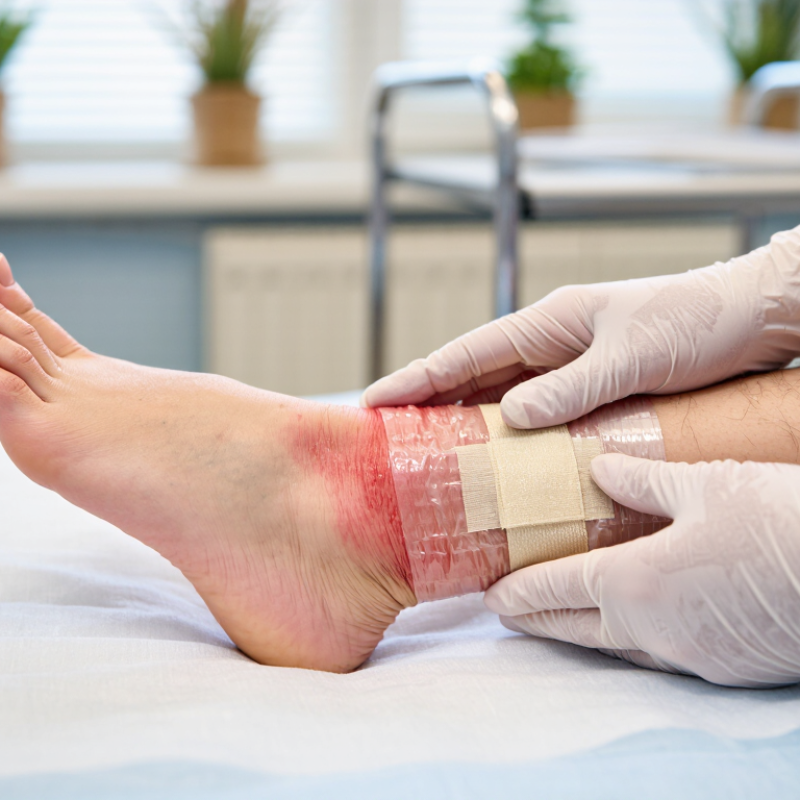
A venous ulcer is usually shallow, irregular, and found near the inner ankle. The surrounding skin may look brown, dry, or flaky, with swelling that worsens after standing. Ask when the wound appeared, whether either leg has had clots or varicose veins, and what makes swelling better. Note pain, drainage, and changes in walking. These clues help, but appearance alone cannot confirm the cause.
Examine both legs, including the feet, skin temperature, pulses, and wound edges. A clinician may check circulation with an ankle-brachial pressure index before recommending compression, since poor arterial flow can make compression unsafe. Duplex ultrasound can assess blood flow and identify venous reflux or obstruction. Consider other causes, including arterial disease, diabetes-related injury, and infection. A venous-looking wound is not always venous. Seek prompt medical care for spreading redness, fever, sudden severe pain, or a cold, pale foot.
Tips: Take clear photos with a ruler beside the wound, and record changes in swelling or drainage. Don’t start tight compression without clinical guidance; assessment can be imperfect, and follow-up matters.
Improve Blood Flow with Compression and Mobility
Venous ulcers are slow-healing wounds, often found near the ankle, where aching and swelling can worsen after standing. Compression helps counter pressure in the leg veins, but it should be fitted by a clinician after checking arterial circulation. It is not suitable for everyone. The 2021 Cochrane review on compression for venous leg ulcers found that compression made complete healing more likely than no compression: relative risk 1.77, based on five studies involving 733 people. That is useful evidence, not a promise of quick healing.
Movement can support the calf-muscle pump, which helps move blood back toward the heart. If walking is safe, try short, regular walks; seated ankle pumps can help when walking is difficult. Small movements count. Leg elevation during rest may ease swelling, though it does not replace compression or wound care. The hard part is often consistency. A wrap can feel hot or restrictive, and that discomfort deserves attention rather than silent endurance. Ask a healthcare professional to adjust it, especially if pain, numbness, cold toes, or skin color changes appear. Recovery can be uneven; it is worth reviewing the plan when progress stalls.
Clean the Wound and Apply Appropriate Dressings
How to Treat Venous Ulcers?
Clean the Wound and Apply Appropriate Dressings
Venous ulcers need assessment by a healthcare professional, especially if the wound is new or worsening. Before changing a dressing, wash your hands and prepare a clean surface. Gently rinse the wound with sterile saline or clean water, following your clinician’s instructions. Mild soap can clean the surrounding skin. Don’t scrub the ulcer; pat nearby skin dry with clean gauze or a towel. Avoid peroxide or strong antiseptics unless specifically advised, as they may irritate healing tissue.
Choose a dressing that protects the wound and keeps it comfortably moist, without leaving it soaked. A non-stick contact layer can reduce trauma during removal; an absorbent outer pad may help manage drainage. Replace dressings as directed, or sooner if they become wet, dirty, or loose. There is no perfect dressing. The right choice depends on drainage, skin condition, and comfort, and it may take adjustments.
Compression often helps venous ulcers heal, but it should start only after a clinician checks blood flow and recommends the right level. Don’t apply tight bandages on your own. Elevating the legs when resting may ease swelling. Seek prompt medical advice for spreading redness, increasing pain, warmth, pus, or fever. Small changes matter.
Treat Infection and Other Contributing Conditions
A venous ulcer can carry bacteria without being infected. The 2020 NICE guideline on leg-ulcer infection recommends antibiotics only when clinical signs of infection are present. Watch for spreading redness, warmth, swelling, increasing pain, or fever. A wound swab alone can mislead. If symptoms worsen, a clinician can assess the wound and decide whether testing or antibiotics are needed. Please don’t start leftover antibiotics; they may cause harm and delay appropriate care.
Treat what keeps the wound open, too. A 2022 review in the Journal of Clinical Medicine reports that venous disease accounts for roughly 70–90% of leg ulcers. That makes swelling and poor venous return important targets. Clinicians may recommend compression, but should check arterial circulation first. Elevating the leg and regular walking can also help, when safe. Diabetes, limited mobility, and skin conditions deserve attention as well. Small details matter: a tight shoe, damp dressing, or missed compression session can set healing back. I’ve learned that wound care is rarely one neat fix; progress can be uneven, and treatment needs review.
Monitor Healing and Prevent Ulcer Recurrence
Once a venous ulcer starts healing, regular checks can reveal whether care is working. At each dressing change, note its length, width, drainage, odor, and surrounding skin. A dated photo beside a ruler can make small changes easier to spot. Share these notes with a clinician, especially if the wound grows, pain increases, or the skin becomes warm and red. Healing can be uneven. One good week does not always mean the ulcer is closed.
Tips: Wear prescribed compression as directed, but only after a clinician has checked your circulation. Keep the wrap dry and report numbness, new pain, or color changes promptly.
After closure, protect the skin and keep follow-up appointments. Moisturize intact lower-leg skin, not the open wound, and check daily for cracks, swelling, or new discoloration. Walking and ankle movements can support blood flow; resting with legs raised may help manage swelling. Ask your care team what suits your health. Routines are easy to miss on busy days—I would not treat one missed session as failure, but repeated gaps deserve attention. Seek prompt medical advice for fever, spreading redness, worsening drainage, or sudden severe pain.