How to Optimize Automated Storage Systems for 2026 Canton Fair?
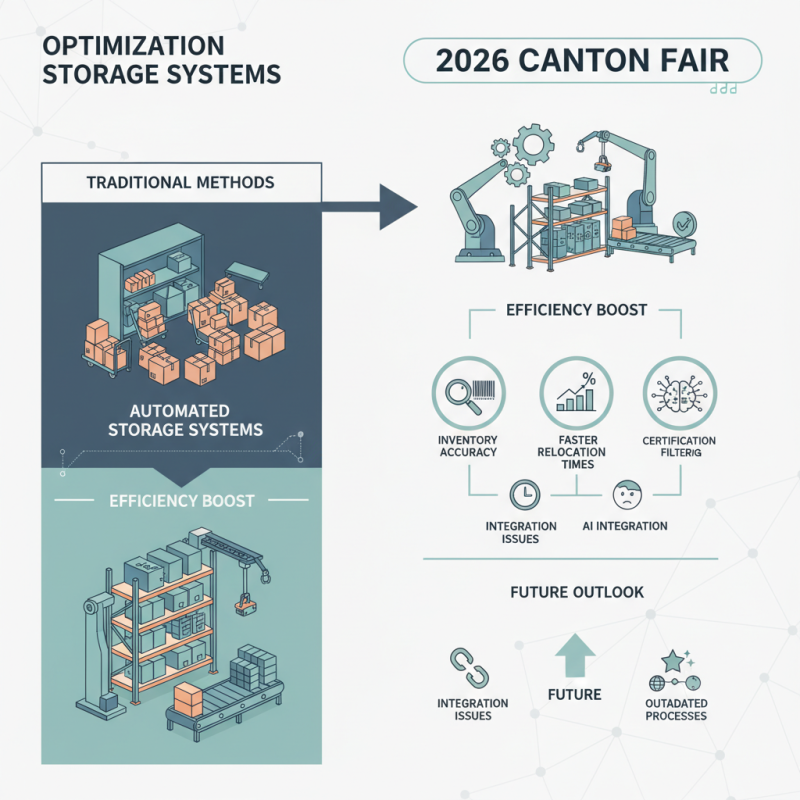
As the 139th Canton Fair approaches in 2026, businesses are increasingly turning to Automated Storage Systems (ASS) to enhance efficiency. The introduction of AI features at the fair promises to revolutionize supplier interactions. According to a recent report by Logistics Insight, automated storage can improve inventory accuracy by up to 99.9%. Industry expert Dr. Emily Chen states, "Investing in Automated Storage Systems is not just a trend; it's a necessity for competitive advantage."
The fair’s vast exhibition space of 1.55 million square meters will challenge traditional methods. In this environment, ASS can minimize relocation times significantly. However, some businesses still rely on outdated processes. This neglect could lead to missed opportunities and slowdowns. The integration of AI with Automated Storage Systems is crucial. It allows for precise locating of suppliers after filtering their certifications swiftly.
As the industry embraces technology, areas for improvement remain. Some systems may have integration issues with existing infrastructures. Companies must reassess their strategies continuously to ensure seamless operations. The future is bright for Automated Storage Systems, especially with evolving demands at events like the Canton Fair.
Understanding the Significance of Automated Storage Systems in 2026
Automated storage systems play a vital role in the 2026 Canton Fair. They maximize efficiency in a fast-paced environment. By integrating advanced technology, these systems streamline inventory management. The need for speed is crucial. Overloaded warehouses can lead to delays. It's essential to optimize space and ensure order accuracy.
Yet, not all systems are perfect. Some may fail to adapt to changing demands. Businesses should evaluate flexibility. The wrong choice can hinder operations. Regular assessments are needed to address weaknesses in these systems. Employee training is equally important. Users must be comfortable with technology to avoid confusion.
Creating a balance between automation and human oversight is key. Too much reliance on technology can lead to errors. It's crucial to find the right mix. Automated systems should enhance, not replace human skills. As the Canton Fair approaches, reflection on these factors will guide improvements.
Key Technologies Driving Automation in Storage Systems for 2026
Automation in storage systems is critical for efficiency, especially with events like the 2026 Canton Fair on the horizon. Key technologies are driving this automation forward. According to a recent industry report, automated storage and retrieval systems (AS/RS) can enhance storage efficiency by up to 80%. This shift allows businesses to handle increased inventory quickly and effectively.
Robotics plays a vital role in this transformation. Advanced robotic systems can operate 24/7, reducing labor costs and improving accuracy. A noted study highlights that companies implementing robotics have seen a 30% increase in throughput. However, integration remains a challenge. Not all facilities are ready for such rapid changes, revealing a gap between technology availability and on-ground implementation.
Artificial intelligence (AI) and machine learning also contribute significantly. They offer predictive analytics to optimize inventory management. A survey indicates that 60% of businesses recognize AI's impact on reducing operational downtime. Yet, there's a lingering concern about data security. As systems become more interconnected, the risk of cyber threats escalates. This complexity requires ongoing assessment and strategic planning.
Automated Storage Systems Optimization for 2026 Canton Fair
Best Practices for Implementing Efficient Automated Storage Solutions
Automated storage systems can greatly improve efficiency at events like the 2026 Canton Fair. When planning these systems, it's crucial to analyze space usage carefully. Ensure every inch is optimized for storage. For instance, use vertical space effectively by utilizing taller racks. This tactic can significantly reduce clutter and increase capacity.
Implementing technology is vital. Smart inventory systems track items in real-time. However, integrating these systems can be challenging. You may encounter issues like software mismatches. Proper training for staff can help avoid confusion when using these technologies. Staff members should feel comfortable navigating new tools.
Regular maintenance of storage equipment is essential. Broken systems can lead to delays and frustration. Schedule frequent inspections to catch potential issues early. Engaging with feedback from team members can reveal areas for improvement. Remember, no system is perfect. Open communication can help refine processes over time.
Analyzing the Cost-Benefit of Upgrading Storage Systems for the Fair
Upgrading storage systems for the 2026 Canton Fair can provide significant advantages. It’s important to analyze the cost and benefits carefully. Modernization often requires investment but can lead to enhanced efficiency and improved inventory management. Businesses can reduce operational costs with the right system.
Consider your current setup. What are its limitations? Analyzing your existing workflow is crucial. Identify bottlenecks that can slow down operations. Is your system flexible? Flexibility can be a game-changer for adapting to the fair’s various demands.
Tips: Evaluate automation features. Are they user-friendly? Look for scalability. Investing in a scalable solution will support future growth. Also, assess the long-term cost versus short-term savings. Sometimes, lower upfront costs lead to higher expenses later. Reflect on whether the upgrade aligns with your business goals.
Future Trends in Automated Storage Systems Post-2026 Canton Fair
The future of automated storage systems is evolving rapidly. The 2026 Canton Fair will showcase advanced innovations that optimize efficiency. Manufacturers are focusing on smart technology, making systems more intuitive. Future trends favor integration with AI and machine learning. These technologies can predict inventory needs better than ever. Automation minimizes human error and speeds up processes.
**Tips:** Keep an eye on tech trends. Attend workshops and demonstrations at the Canton Fair. Networking with experts can provide valuable insights.
Sustainability is also a key factor. Automated systems need to be energy efficient. Companies are exploring eco-friendly materials for storage solutions. However, challenges remain. Not all businesses are ready to embrace change. Some hesitate due to cost or lack of knowledge.
**Tips:** Assess your current storage setup. Identify areas that need improvement. Small changes can lead to significant savings. Consider phased upgrades to control costs.
How to Optimize Automated Storage Systems for 2026 Canton Fair? - Future Trends in Automated Storage Systems Post-2026 Canton Fair
| Key Feature | Importance Rating (1-5) | Future Trend | Implementation Challenges |
| Robotic Automation | 5 | Increased efficiency and reduced labor costs | High initial investment and technology integration |
| AI & ML Analytics | 4 | Data-driven decision making and predictive maintenance | Data privacy concerns and skilled personnel shortage |
| IoT Integration | 4 | Real-time monitoring and inventory management | Cybersecurity risks and implementation complexity |
| Modular Systems | 4 | Scalability and flexibility | Potential interoperability issues and design challenges |
| Sustainability Practices | 5 | Reduction in environmental footprint and regulatory compliance | Cost of green materials and transition period |