How to Achieve Perfect 3D Wheel Alignment for Your Car?
Achieving perfect 3d Wheel Alignment is crucial for your car's performance. According to John Smith, a leading expert in the field, "Precise 3D wheel alignment enhances tire longevity and improves handling." This statement encapsulates the importance of proper alignment in ensuring a smooth driving experience.
When your wheels are aligned correctly, your vehicle maintains control better on the road. Misalignment can lead to uneven tire wear, altering handling and possibly causing safety issues. Regular checks are essential. However, many drivers neglect this aspect, leading to serious consequences.
Understanding the mechanics of 3D wheel alignment is key. It's not just about the angle adjustments; it also involves a comprehensive analysis of your vehicle’s system. This complexity challenges even experienced technicians. A small error in alignment can have ripple effects. Therefore, it's important to reflect on how often you assess your car's alignment and its impact on your driving experience.
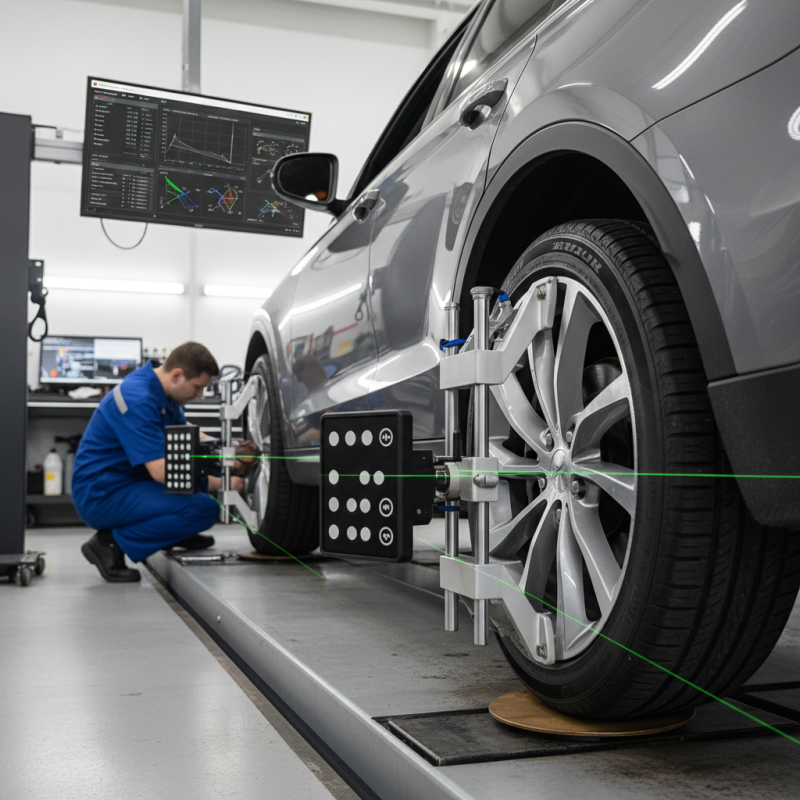
Understanding the Importance of 3D Wheel Alignment
Achieving perfect 3D wheel alignment is crucial for vehicle performance. Misalignment can lead to uneven tire wear, affecting safety and efficiency. According to industry reports, up to 75% of vehicles on the road experience some form of misalignment. This can decrease fuel efficiency by about 10%.
Proper 3D alignment ensures that all four wheels are parallel and perpendicular to the road. This alignment minimizes resistance while driving and enhances tire longevity. Regular checks are recommended, as slight shifts can occur. Drivers often overlook small misalignments, believing they don't matter. However, these minor adjustments can significantly impact steering and handling.
Another common misconception is that alignment issues only arise after a visible problem. In reality, factors like potholes and curb strikes can cause misalignment. Many drivers wait until they notice symptoms, which may already mean costly repairs. By being proactive with wheel alignment checks, you can avoid these unexpected issues and improve your vehicle's overall performance.
Key Components of a 3D Wheel Alignment System
Achieving perfect 3D wheel alignment involves understanding its key components. At the heart of this system is the alignment machine. It uses advanced sensors to measure angles accurately. These sensors detect the camber, caster, and toe angles of your wheels. Precise adjustments can then be made to ensure optimal alignment.
Another crucial component is the computer software. This software processes data from the sensors to provide real-time feedback. Sometimes, this software can be tricky to navigate. You may find it challenging to interpret the results correctly. Small mistakes in data entry can lead to inappropriate adjustments.
Alignment racks are also essential in the process. These racks hold the vehicle in place during measurements. The stability of the car is vital for accurate readings. If the vehicle shifts or isn’t level, the results will be flawed. Regular checks and calibrations of all components are necessary. Ignoring this can lead to misalignment and premature tire wear. Regular maintenance of the alignment system is just as important as the alignment itself.
3D Wheel Alignment Parameters and Their Importance
Step-by-Step Process for Achieving Accurate Wheel Alignment
Achieving perfect 3D wheel alignment is crucial for vehicle performance. Proper alignment ensures optimal tire wear and enhances fuel efficiency. Studies indicate that misalignment can lead to a 10% increase in fuel consumption. This fact highlights the need for precise alignment.
Begin with a thorough inspection. Check for uneven tire wear or pull to one side. These signs often indicate alignment issues. Next, use a professional tool to measure camber, caster, and toe angles. Each angle affects vehicle handling. According to industry reports, a mere 1-degree misalignment can alter steering sensitivity.
After measuring, it’s time to adjust. Small adjustments can have big impacts. Each angle impacts overall driving stability. Clarity in measurements ensures accuracy. Sometimes, the adjustments may lead to unexpected results. Testing again after adjustment is vital. If discrepancies exist, revisit the process. It’s not always straightforward. Even minor errors can lead to further misalignment, requiring continuous reflection and adjustment to achieve the best outcome.
How to Achieve Perfect 3D Wheel Alignment for Your Car? - Step-by-Step Process for Achieving Accurate Wheel Alignment
| Step | Description | Tools Required | Estimated Time |
| 1 | Park the car on a level surface and ensure the tires are properly inflated. | Tire pressure gauge | 10 minutes |
| 2 | Measure the distance between the front and rear wheels on both sides to check for initial alignment. | Measuring tape | 15 minutes |
| 3 | Adjust the tie rods according to the specifications for camber and toe angles. | Wrench set, alignment tool | 30 minutes |
| 4 | Use a 3D wheel alignment machine to get precise measurements of angles. | 3D wheel alignment machine | 20 minutes |
| 5 | Test drive to ensure the alignment is correct and make adjustments if needed. | None | 15 minutes |
Common Mistakes to Avoid During Wheel Alignment
Achieving perfect 3D wheel alignment is crucial for optimal vehicle performance. Many drivers overlook common mistakes that can lead to uneven tire wear and poor handling. According to industry reports, improper alignment can reduce tire lifespan by up to 30%. Avoid these pitfalls to ensure your car runs smoothly.
One common error is neglecting the steering wheel position during alignment. If the wheel is off-center, it can create unnecessary stress on the suspension. Always check the steering wheel's alignment before and after adjusting the wheels. A centered wheel enhances control and safety.
Tips: Regularly inspect your tire pressure. Properly inflated tires ensure more accurate alignment results.
Another mistake is not accounting for weight distribution. When aligning, consider the load in your vehicle. For example, a heavy trunk can affect the alignment angles. Failing to adjust for this can lead to alignment issues down the line.
Tips: Use a professional alignment machine for precise measurements. Many shops offer services at competitive prices.
Lastly, don’t ignore the signs of misalignment, like pulling or uneven tire wear. Addressing these issues early can save you money in the long run. Be proactive and keep your alignment in check to maintain vehicle health and safety.
Maintaining Proper Wheel Alignment: Tips for Longevity
Maintaining proper wheel alignment is crucial for your car's longevity. When the wheels are misaligned, tires wear unevenly. This can lead to costly replacements. You might notice your car pulling to one side. That’s a sign of poor alignment. Ignoring these signs can result in a rough ride and reduced fuel efficiency.
Regular checks are essential. Aim for an alignment check every 6,000 miles, or if you frequently drive on rough roads. Observing tire wear patterns can also help. Are your tires balding on one side? It’s a clear indication something is off. Fixing wheel alignment early can save you time and money in the long run.
Keep an eye on your suspension components, too. Worn-out parts can throw off your alignment. It’s often easy to overlook. A simple check can reveal hidden issues. If you notice vibrations or uneven handling, it might be time for a deeper inspection. Addressing these imperfections will ensure your car remains safe and comfortable to drive.