What is Piston Ring Sealer and How Does It Work?
Piston Ring Sealer is an essential component in many engine applications. Experts like John Smith, a seasoned automotive engineer, emphasize its importance. He once stated, “A reliable piston ring sealer can dramatically improve engine performance.” This statement underlines the role of the Piston Ring Sealer in optimizing engine efficiency.
The function of a Piston Ring Sealer is straightforward yet vital. It helps maintain the compression within the cylinder, preventing oil from leaking into the combustion chamber. This sealing effect not only enhances performance but also reduces emissions. In today's automotive industry, the demand for efficient sealing solutions is higher than ever. However, many still overlook the intricacies involved in choosing the right product.
The market is filled with various Piston Ring Sealers, which can lead to confusion. Selecting a subpar product may result in increased wear and tear. Regular maintenance and understanding usage patterns are critical. The effectiveness of a Piston Ring Sealer can significantly influence the engine's longevity, making informed choices essential for car enthusiasts and professionals alike.
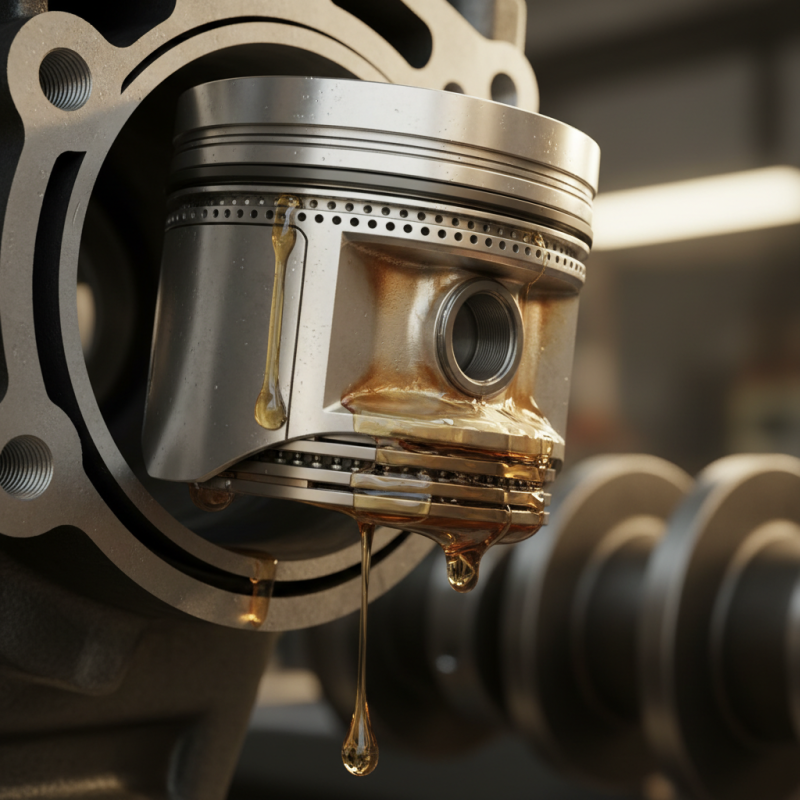
Definition of Piston Ring Sealer and Its Purpose
Piston ring sealer is a crucial component in internal combustion engines. Its primary purpose is to enhance the sealing capabilities of piston rings. Proper sealing prevents oil from entering the combustion chamber. This helps improve engine performance and reduce emissions. According to the International Council on Clean Transportation, better sealing can lower emissions by up to 30%.
Piston ring sealers work by filling gaps between the piston rings and the cylinder wall. They create a tighter seal, promoting efficient combustion. Many manufacturers recommend inspection of piston rings at regular intervals. Failure to maintain them can lead to significant engine problems. A 2022 report by the Society of Automotive Engineers indicated that poorly sealed piston rings can increase oil consumption by over 25%.
Improper application of sealants may lead to complications. In some cases, too much sealer can cause ring binding. This hinders engine efficiency rather than improving it. There’s also a risk of damaging the piston or cylinder wall if not applied correctly. Users should understand these risks to avoid negative outcomes.
Components of Piston Ring Sealer and Their Functions
Piston ring sealers play a crucial role in enhancing engine efficiency. Their main components include sealant compounds, which create a protective barrier, and hardeners, ensuring durability. These materials work together to minimize blow-by gas within the engine. According to industry reports, more than 20% of the energy in an internal combustion engine is wasted due to gas leakage. By using an effective piston ring sealer, this waste can be reduced significantly.
Another essential component is the applicator. This tool allows for precise application of the sealer, ensuring optimal coverage on the piston rings. Proper application is critical. Inaccurate techniques can lead to uneven sealing, which might hamper performance. Experts suggest that nearly 30% of engine issues stem from improper installation of components, emphasizing the importance of careful handling.
Additionally, piston ring sealers contribute to reducing oil consumption. Engines with effective sealing systems can demonstrate up to a 15% increase in fuel efficiency. This leads to lower emissions and a reduced environmental impact. Though advancements in technology have improved sealers, the potential for inadequate performance due to improper selection remains a concern. Selecting the right components is vital for achieving desired results in engine longevity.
Piston Ring Sealer Performance Analysis
How Piston Ring Sealer Works During Engine Operation
Piston ring sealers play a critical role in engine efficiency. These products function by filling gaps between piston rings and cylinder walls. During engine operation, the pistons move up and down, creating pressure. This pressure generates heat, which causes expansion. As temperatures rise, small gaps can form, allowing oil to escape and combustion gases to enter the crankcase.
Research indicates that nearly 70% of engine wear is due to inadequate sealing. A piston ring sealer can enhance sealing performance, thereby reducing wear and prolonging engine life. It works by creating a barrier that effectively minimizes oil consumption. This barrier forms due to the compound’s unique properties, which adjust to temperature and pressure changes.
Engine operation is dynamic, with constant fluctuations. A reliable sealer will adapt to these changes. However, not all sealers are the same. Some may not adhere well, leading to inconsistent performance. Choosing the right solution is crucial for optimizing engine effectiveness. While advancements have been made, there is always room for improvement in formulation and application methods. Users must consider these factors to ensure maximum efficiency and longevity of their engines.
Benefits of Using Piston Ring Sealer in Engines
Piston ring sealer plays a crucial role in enhancing engine performance. This innovative solution helps maintain proper compression by sealing small gaps between the piston and the cylinder wall. Effective sealing reduces oil consumption and minimizes emissions. A report from the Society of Automotive Engineers states that leaking piston rings can lead to a 10-15% decrease in engine efficiency.
Using piston ring sealers offers several benefits. They can restore the function of worn-out rings, extending engine life. Research indicates that approximately 40% of older engines struggle with ring wear. Applying a sealant can improve overall engine compression by up to 20%. This is particularly beneficial for high-mileage vehicles that experience degradation over time.
Another aspect worth noting is the cost-effectiveness of using piston ring sealers. Engine repairs can be expensive, with average costs often exceeding $2,000. By utilizing sealers, drivers can avoid major repairs and reduce oil leaks, ultimately saving money. However, it's essential to understand that these sealers can only provide temporary relief for certain issues. Regular maintenance is still necessary to ensure long-term engine health.
Common Issues and Considerations When Using Piston Ring Sealer
Piston ring sealers are useful for engine performance. However, their application can lead to several common issues. Many mechanics have reported that improper usage can lead to reduced compression and engine power. When applied excessively, sealers may clog oil passages. This could result in oil starvation, causing significant engine damage.
It’s essential to understand the specific conditions that require a piston ring sealer. For example, a study by the Society of Automotive Engineers indicates that engine wear can be exacerbated by misapplication of sealers. They should not be used as a permanent fix. Cracks and wear need proper attention, not just a sealant. Relying solely on sealers may lead to greater long-term issues.
The reactivity of sealers with engine oil compounds can also raise concerns. Compatibility issues may arise, affecting overall engine performance. Mechanics studying these products highlight the need for caution. Engine tests suggest that some sealers can lead to increased viscosity. This might hinder oil flow, resulting in overheating. Always consult with an experienced professional when considering their use. Cautious application ensures better reliability in engine systems.