What is a Plastic Injection Mold and How Does it Work?
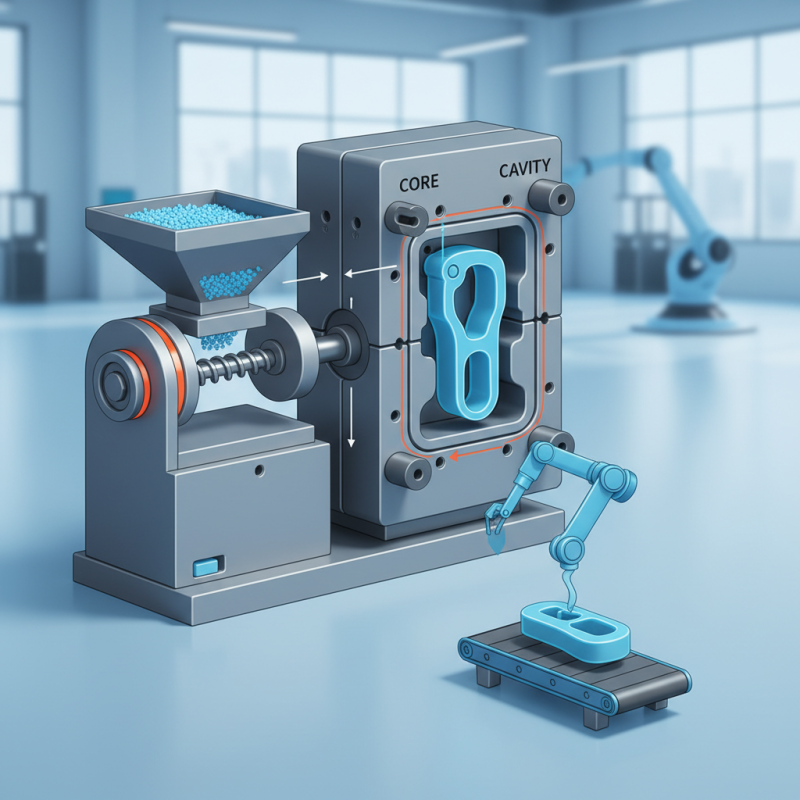
A Plastic Injection Mold is a critical tool in manufacturing. It shapes molten plastic into various products. This process involves precision, expertise, and creativity. The mold itself consists of two halves that come together under high pressure.
Once the plastic is heated and injected into the mold, it starts to cool and solidify. Each detail in the mold affects the final product's quality. Minor imperfections can lead to defects. Additionally, the design process can be complex, requiring careful planning and adjustments.
Understanding a Plastic Injection Mold reveals the intricacies of production. It's not just about making items; it's about making them right. Reflecting on these methods can enhance efficiency and reduce waste, leading to better outcomes.
What is a Plastic Injection Mold? Overview of Its Functionality
A plastic injection mold is a tool used in the manufacturing process for creating plastic parts. This method involves injecting molten plastic into a mold cavity, allowing it to cool and solidify into a finished part. The efficiency of this process significantly contributes to the production of high-volume plastic items. Industry reports indicate that the global injection molding market is expected to reach $300 billion by 2025, illustrating its critical role in various sectors.
The functionality of a plastic injection mold hinges on its design and construction. Typically made from steel or aluminum, these molds can endure high pressure and heat. The technology involves intricate design patterns, often requiring a combination of CAD software and complex machining. Reports show that nearly 70% of all plastic products are produced using injection molding techniques. However, not all molds result in the perfect product. Issues like warping, sink marks, or color inconsistencies can arise. Continuous refinement of mold design and materials is essential for overcoming these challenges.
Injection molds are versatile but not infallible. Each cycle contributes to wear and tear, necessitating regular maintenance. The operational limits of a mold can be reached more quickly than expected, leading to costly downtimes. Understanding the balance between efficiency, cost, and quality is crucial. While the process appears straightforward, the reality often requires companies to reassess their approach continually. This can lead to unexpected delays and profitability challenges.
What is a Plastic Injection Mold and How Does it Work? - Overview of Its Functionality
| Feature | Description |
| Material Types | Commonly used materials include thermoplastics like ABS, PVC, and polycarbonate. |
| Mold Components | Key components include the cavity, core, ejector pins, and cooling channels. |
| Process Steps | The process involves clamping, injecting, cooling, and ejecting the molded part. |
| Applications | Used in automotive, consumer goods, medical devices, and electronics. |
| Benefits | High production efficiency, precise dimensions, and complex shapes. |
| Limitations | High initial costs for mold creation and longer lead times for design modifications. |
| Maintenance | Regular maintenance is essential to ensure mold longevity and quality of output. |
Key Components of Plastic Injection Molds and Their Roles
Plastic injection molds are essential in the manufacturing process. They consist of several critical components that work together to create precise plastic parts. The primary parts of a mold include the mold base, cavity, core, and ejector pins. The mold base serves as the foundation, providing structural support. It typically accounts for 40% of the total mold cost, as per industry reports.
The cavity is where the plastic material is injected. It shapes the final product. The design of the cavity impacts the quality and precision of the output. A well-designed cavity can increase production efficiency by 20%, while poorly designed molds can lead to defects. Similarly, the core complements the cavity and is crucial for creating internal features. Ejector pins are responsible for removing the final product from the mold. Their proper placement is crucial; if not executed well, they can cause damage to the product or the mold itself.
For manufacturers, understanding these components is vital. Unfortunately, many overlook the importance of regular maintenance. Neglecting mold maintenance can lead to increased downtime and costs. According to industry data, companies that prioritize regular upkeep see a 15% reduction in production delays. The components work harmoniously, but any lapse can disrupt the entire process. This highlights the need for ongoing assessment and improvement in mold design and maintenance practices.
The Plastic Injection Molding Process: Step-by-Step Breakdown
The plastic injection molding process involves several key steps. It begins with the preparation of the mold. The mold needs to be designed carefully, considering the shape and size of the final product. This part requires precision. Any errors in the mold can lead to defects in the final pieces. The mold is then clamped tightly in a machine.
Next, plastic pellets are heated until they melt. This molten plastic is injected into the mold under high pressure. The temperature must be carefully monitored. If it’s too high, it can degrade the plastic. After a brief cooling period, the mold is opened, and the parts are ejected. Inconsistent temperatures can also lead to warped products, which can be frustrating.
The entire process requires constant attention to detail. Each stage influences the final product. Designers must be aware of potential issues, such as incomplete fills or air traps. These problems can occur even with minor adjustments in parameters. It's crucial to analyze each step and make necessary adjustments for improvements. Continuous refinement of the process leads to higher quality results.
Materials Used in Injection Molding: Types and Properties
Injection molding is a popular manufacturing process. It relies heavily on the materials used. Each material has unique properties, affecting the final product.
Thermoplastics are the most common choice. They soften when heated, allowing for easy shaping. Popular types include polyethylene and polypropylene. These materials are lightweight yet durable. They can also be recycled, which is an added benefit. However, thermoplastics may not withstand high temperatures.
Thermosets are another option. They harden permanently after being shaped. This makes them heat-resistant and durable. Common thermosets include epoxy and silicone. However, they cannot be re-molded, which adds complexity.
Tip: Choose materials based on the product’s purpose. Consider factors like temperature, strength, and flexibility.
Fillers can also enhance material properties. They can improve strength, reduce costs, or modify weight. Common fillers include glass fibers and talc. However, using fillers can complicate processes. Sometimes, it alters the final appearance of the product.
Tip: Experiment with different mixes. Test small batches to avoid large-scale mistakes. Always document changes for future reference. Adjusting materials can lead to improved results.
Materials Used in Injection Molding: Types and Properties
This bar chart represents the toughness of various materials commonly used in injection molding, measured in megapascals (MPa). Each material has different properties that make it suitable for specific applications in manufacturing processes.
Industry Applications of Plastic Injection Molding: A Statistical Insight
Plastic injection molding is a widely used manufacturing process. It involves injecting molten plastic into a mold to create various parts. This technique has applications across many industries, delivering efficiency and precision.
In the automotive sector, plastic injection molding is vital for producing lightweight components. Items like dashboard parts and panels are commonly made through this process. The ability to create complex shapes reduces assembly time and improves performance. However, the automotive industry faces challenges with recycling and sustainability.
Consumer electronics also heavily relies on this method. Cases for smartphones and other devices are often created using injection molding. The process allows for intricate designs and fine details. Yet, concerns about e-waste and material longevity linger. While the advantages are clear, the industry must reflect on its environmental impact.