How to Remove Mold from Disposable Food Containers?
Mold in disposable food containers is a common concern. This issue can arise from improper storage and extended use. Dr. Emily Carter, a leading expert in food safety, noted, “Preventing Disposable Food Container Mold starts with proper cleaning and storage practices.”
It’s essential to recognize that even disposable items can harbor harmful molds. Often, people neglect to clean these containers, thinking they are single-use. While this might seem convenient, it can lead to health risks. The unexpected growth of mold can contaminate food, posing threats to our health.
Understanding this problem requires a shift in mindset. We need to treat disposable food containers with care. Cleaning them properly and storing them in dry areas are simple yet effective steps. However, there are always challenges. The environment in which we use these containers can complicate matters. Remember, awareness and action can make a significant difference in combating Disposable Food Container Mold.
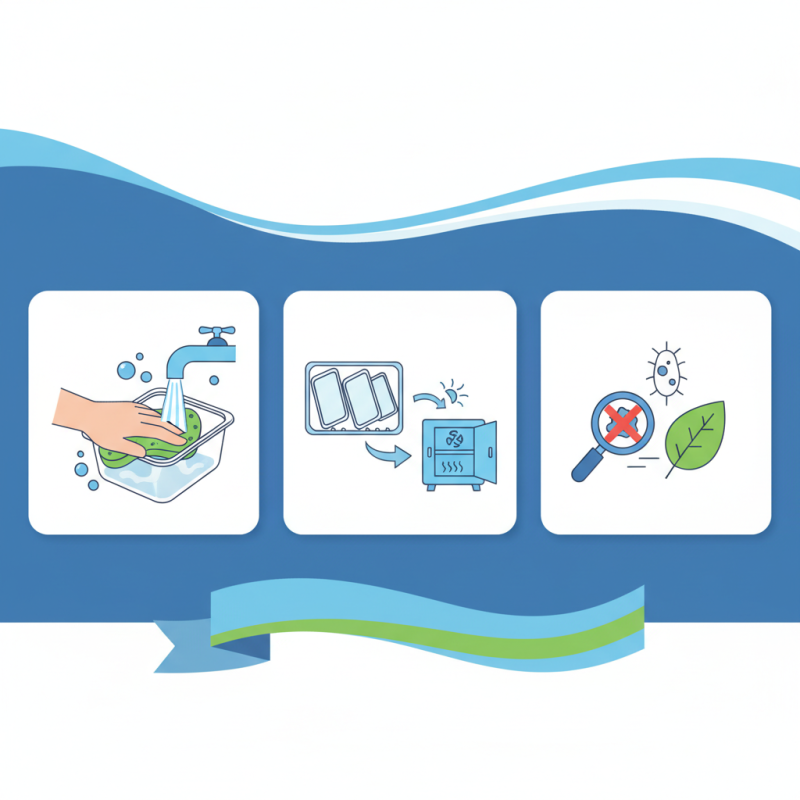
Understanding Mold and Its Impact on Food Containers
Mold is a common problem in food containers. Understanding its nature is crucial. Mold thrives in warm, damp environments. Research shows that 50% of food containers can harbor mold spores if not cleaned properly. These spores can lead to spoilage and health issues.
Many people overlook the importance of cleaning food containers. A study found that 30% of individuals discard containers instead of cleaning them. This practice can worsen mold proliferation. Containers made of plastic are particularly vulnerable, as they can retain moisture. It’s essential to inspect containers regularly for mold growth.
Ignoring mold can lead to significant risks. Mold can produce mycotoxins, harmful substances that affect health. Even low-level exposure can cause allergic reactions or respiratory issues. Users should consider regular deep cleaning as a prevention method. Using vinegar or baking soda can be effective. But remember, prevention is better than cure. Regular maintenance is necessary for a safe food storage environment.
Identifying Signs of Mold Growth in Disposable Food Containers
Mold can thrive in disposable food containers. Recognizing its signs is essential to maintaining food safety. Look for dark spots or fuzzy patches inside containers. These can be green, black, or white. Even a musty smell can indicate mold growth.
Tips: Always check containers after washing. A quick visual inspection can save you from future health issues. If you see any signs, dispose of the container. Don't ignore small patches; they can spread quickly.
Keep in mind that poor storage can promote mold growth. Storing containers in damp areas increases the risk. It’s easy to overlook this detail, but it matters. Even new containers should be inspected. Sometimes, they can harbor hidden mold from manufacturing.
How to Remove Mold from Disposable Food Containers?
This chart illustrates the number of disposable food containers affected by mold compared to those that have been successfully cleared of mold. The data shows a significant occurrence of mold, highlighting the need for proper cleaning and care of food storage solutions.
Safe and Effective Cleaning Solutions for Mold Removal
Mold growth in disposable food containers can occur quickly, especially in warm, humid environments. To tackle this issue effectively, it's important to use safe and proven cleaning solutions. According to a study by the Environmental Protection Agency (EPA), approximately 45% of common household molds can cause health risks. Therefore, removing mold is not just about cleanliness; it’s about safety.
For an effective cleaning solution, a mixture of water and white vinegar can be beneficial. A ratio of 1:1 is recommended. Vinegar has antibacterial properties and can penetrate mold better than many harsh chemicals. Additionally, baking soda is another effective agent. It not only removes mold but also deodorizes. Just sprinkle it on the affected area, scrub, and rinse.
However, consistency is key. Mold can regrow if food containers are not stored properly. It’s crucial to dry containers thoroughly after washing. Some users may overlook this step. A report from the Centers for Disease Control and Prevention (CDC) suggests that fungal spores thrive in damp conditions. Leaving containers damp for too long creates an ideal habitat for mold resurgence. Proper care and attention are necessary for effective mold prevention.
Step-by-Step Guide to Removing Mold from Food Containers
Mold can thrive in damp, warm environments, making food containers susceptible. Removing mold is essential for safety. Start by inspecting the containers. Look for visible mold spots. Even small patches can be a concern, as mold spores can spread quickly.
Prepare a cleaning solution using equal parts water and vinegar. Vinegar is a natural mold killer, effective in about 82% of instances. Soak the containers in this solution for 15 minutes. Use a scrub brush to tackle stubborn areas. Rinse thoroughly. Ensure all traces of the vinegar mixture are gone.
A few tips: Regularly check your containers for moisture and mold. Store them in a cool, dry place. If the plastic is discolored or has absorbed odors, consider replacing it. Finally, remember that not all mold is visible. Mold may linger even after cleaning. Regular maintenance can help prevent mold growth in the future.
How to Remove Mold from Disposable Food Containers? - Step-by-Step Guide | Step | Description | Duration | Materials Needed |
| 1 | Remove any food residue from the container. | 5 minutes | Scraper or paper towel |
| 2 | Prepare a cleaning solution using vinegar or baking soda. | 2 minutes | Vinegar or baking soda, water |
| 3 | Soak the container in the solution. | 15-30 minutes | Cleaning solution |
| 4 | Scrub the affected areas with a brush or sponge. | 10 minutes | Brush or sponge |
| 5 | Rinse the container thoroughly with clean water. | 5 minutes | Water |
| 6 | Dry the container completely before storing. | 10 minutes | Towel or air drying |
Preventive Measures to Avoid Mold Growth in Disposable Containers
Mold can quickly develop in disposable food containers if not handled properly. To prevent this, focus on cleanliness and storage. Always wash containers before using them. A simple rinse with warm water can remove residue. Dried food particles create an ideal environment for mold. Be consistent with cleanliness.
Proper storage is also essential. Sealing containers tightly helps prevent moisture accumulation. However, some people forget this step. Leaving them open is a common mistake. Labeling containers with dates can help track freshness. If you notice any unusual smell, discard the food immediately.
Temperature control matters too. Store containers in a cool, dry place. Avoid leaving them in humid areas like kitchens. Even small changes in temperature can encourage mold growth. Remember, mold thrives when conditions are just right, so staying vigilant is key.