What is Sandblast Rubber Hose and Its Applications?
Sandblast rubber hose plays a crucial role in various industries. It is designed to handle high-pressure abrasive materials, making it essential for sandblasting applications. According to industry expert Mark Thompson, “The quality of a sandblast rubber hose can directly impact work efficiency.”
These hoses come in different sizes and materials. They must withstand rough environments and harsh conditions. Each application requires a specific type of hose to ensure safety and durability. Users often overlook the importance of selecting the right hose. A mismatched hose can lead to operational failures and accidents.
It is vital to consider factors like the hose's diameter and material composition. Misunderstandings in these areas can result in costly mistakes. Awareness of the limitations and capabilities of sandblast rubber hoses is necessary. Failure to understand can lead to inefficiencies in projects. These are not just tools; they are pivotal components in ensuring successful sandblasting operations.
What is Sandblast Rubber Hose?
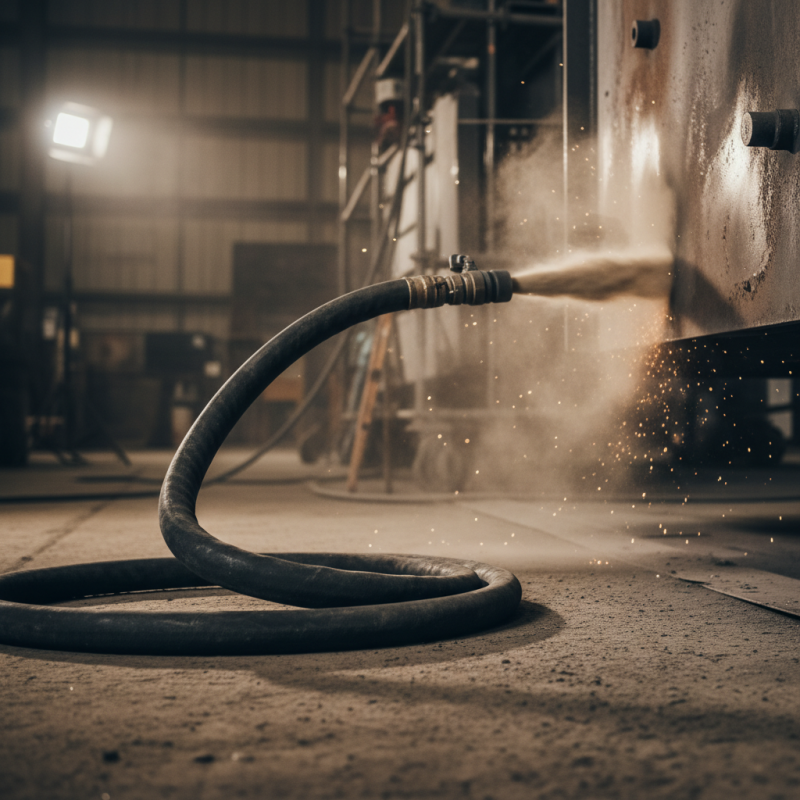
Sandblast rubber hose is a specialized hose designed for abrasive materials and high-pressure applications. It is primarily used in sandblasting, where it transports sand or other abrasive materials to clean surfaces. These hoses are constructed from durable rubber compounds that withstand wear and tear. A good sandblast rubber hose should have a robust inner lining to resist the erosive effects of abrasive materials.
According to industry data, the global market for sandblast rubber hoses is projected to grow significantly, with estimates showing a compound annual growth rate (CAGR) of 5.2% from 2020 to 2027. This growth is driven by the rising demand for abrasive blasting in industries like construction and automotive. The hoses must be flexible yet strong, and they need to resist cracking under pressure. Many hoses fail due to improper selection or lack of maintenance, which is a reminder of the importance of regular inspections.
In practical scenarios, users often overlook the specifications needed for their applications. Choosing the wrong diameter or pressure rating can lead to operational issues. A well-made sandblast hose should operate safely within its intended pressure range to avoid accidents. Failing to adhere to these guidelines can compromise both safety and efficiency in abrasive blasting tasks. Therefore, it’s crucial to prioritize quality and maintenance when selecting and using sandblast rubber hoses.
Key Components of Sandblast Rubber Hose
Sandblast rubber hoses are essential in various industrial applications. They are designed to withstand harsh conditions. Their main components include the inner tube, reinforcement layer, and outer cover. Each part plays a vital role in ensuring durability and performance.
The inner tube is made from high-quality rubber, designed to handle abrasive materials. It must resist wear and tear. The reinforcement layer is crucial. Typically, it's made from layers of fabric or steel wire. This structure provides strength and flexibility. The outer cover protects against environmental factors. It can resist heat, oil, and ozone.
Tips: When using sandblast hoses, check for signs of wear regularly. Small cracks or discoloration can indicate a problem. Always store hoses in a cool, dry place to avoid deterioration.
Choosing the right size is another critical factor. Hoses that are too large can cause flow issues. Too small might restrict airflow. Understanding the specific requirements of your task is vital. Sometimes, misconceptions about hose capabilities can lead to mistakes. Be cautious and seek guidance when unsure.
Common Applications of Sandblast Rubber Hose
Sandblast rubber hoses are essential tools in various industries. They are specifically designed to handle abrasive materials like sand, grit, and other substances. These hoses can withstand high pressure and extreme wear. Their flexibility allows easy maneuverability during operation.
In construction, sandblast hoses play a crucial role. They are used for abrasive blasting, cleaning surfaces, and preparing materials for coating. Workers often rely on these hoses to ensure thorough cleaning. Using the right hose can improve efficiency and safety on job sites.
Tip: Always check for wear and tear before use. Minor damage can lead to larger issues.
Another common application is in automotive repair. These hoses are used for stripping paint and cleaning parts. They can easily remove rust or old coatings. This helps mechanics save time and effort on their projects. Nonetheless, not all hoses are suitable for every task.
Tip: Match hose specifications to the job requirements. It’s key to ensuring optimal performance.
In manufacturing, sandblast hoses help in finishing products. They provide smooth surfaces by effectively removing imperfections. This process is crucial for quality control. However, improper use can lead to uneven results.
Tip: Practice proper techniques to avoid mistakes. Even small errors can impact quality.
Benefits of Using Sandblast Rubber Hose
Sandblast rubber hoses are essential tools in various industrial applications. They are designed to handle high-pressure sandblasting operations. These hoses are made from durable, flexible rubber that can withstand abrasive materials. Their construction helps prevent premature wear and tear, ensuring longevity. According to industry reports, the right hose can last up to three times longer than lower-quality alternatives under the same conditions.
Using sandblast rubber hoses offers several benefits. They provide excellent flexibility, making them easy to maneuver in tight spaces. Their lightweight nature reduces operator fatigue during prolonged use. Many hoses are temperature and abrasion resistant, which safeguards against environmental factors. Research indicates that using high-quality hoses can lead to a 30% reduction in maintenance costs over time. Not only do they improve efficiency, but they also enhance safety by reducing the risk of hose failure during operations.
While these hoses are reliable, they require proper storage and maintenance. Neglecting to clean and store them correctly can lead to damage. Operators should inspect hoses regularly for wear, as this can affect performance. The ideal working environment for sandblast hoses is temperature-controlled to avoid degradation. Being mindful of these factors is essential for maximizing the benefits and extending the life of sandblast rubber hoses.
Applications and Benefits of Sandblast Rubber Hose
Maintenance Tips for Sandblast Rubber Hose
Maintaining a sandblast rubber hose is crucial for its longevity. Regular inspections can help identify wear and tear. A study showed that 30% of hose failures are due to improper maintenance. Clean the hose regularly. Removal of sand and debris reduces internal abrasion. Failure to do so can lead to decreased performance.
Check for leaks and cracks often. Small issues can escalate into major problems. The lifespan of a sandblast hose can decrease significantly if unnoticed damage is ignored. Using a hose with proper fittings minimizes connection issues. Loose connections can cause air loss and inefficiency.
Consider the environment where the hose operates. High temperatures can deteriorate rubber materials. A report found that exposure to extreme conditions reduces hose life by up to 25%. Storing hoses in a cool, dry place is essential. When in doubt, replace old hoses. Investing in new equipment is always cheaper than dealing with accidents.