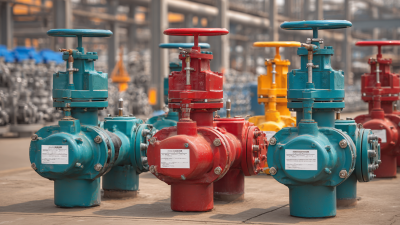
Selecting the right Pressure Control Valves is crucial for effective fluid management. According to a recent market analysis, the global pressure control valve market is expected to reach $7.2 billion by 2026. This growth emphasizes the need for robust selection criteria.
Various industries depend heavily on pressure control valves for safety and efficiency. In oil and gas, accurate pressure regulation prevents hazardous situations. Similarly, in water treatment, these valves ensure stable operations. Choosing the wrong type can lead to costly downtimes and operational failures.
However, many companies still face challenges in identifying the right specifications. Misunderstandings about pressure ratings and materials often result in suboptimal performance. It's important to consider these factors carefully. Making informed decisions can significantly enhance operational safety and efficiency.
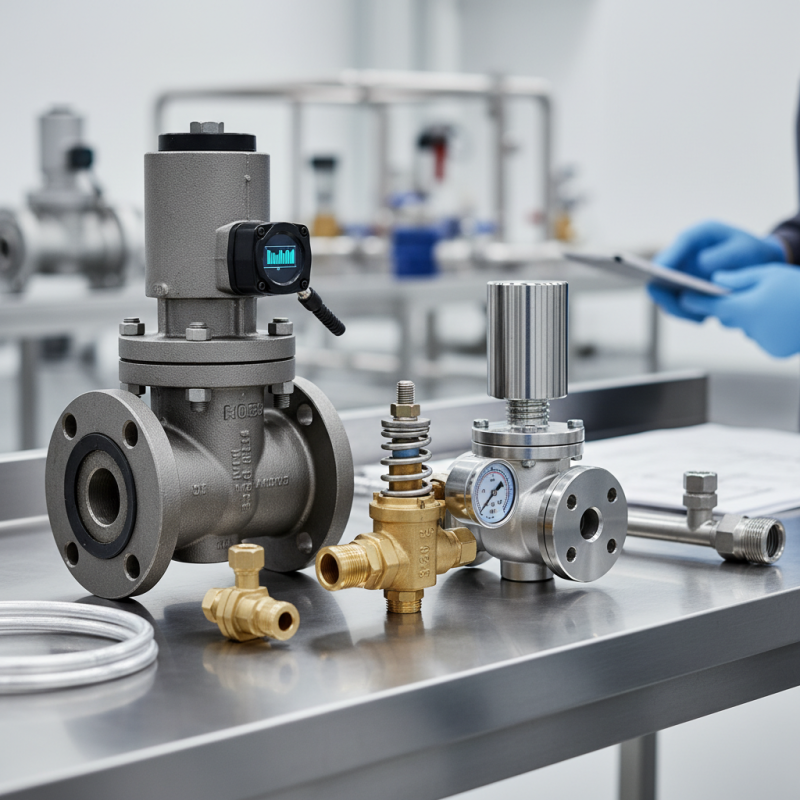
Pressure control valves play a crucial role in various systems by regulating fluid pressure. These valves ensure that the pressure remains within a desired range, preventing overpressure situations. Understanding their functionality is essential for anyone involved in design or maintenance. They can automatically open or close in response to pressure changes, providing stability in fluid systems.
When choosing pressure control valves, consider a few essential tips. First, identify the specific application. Different systems may require various materials and designs, and matching these aspects to your needs is crucial. Second, think about the required pressure range. A valve that cannot handle your system's specifications may lead to failures. Lastly, evaluate the environmental conditions where the valve will operate. Factors such as temperature and the presence of corrosive substances can affect valve performance over time.
While these tips are useful, remember that selecting the right valve is not always straightforward. Misjudgments can lead to costly errors. Maybe you overlooked a critical specification or miscalculated pressure needs. Reflecting on past experiences can guide future choices. Being informed fosters better decisions and safer operation.
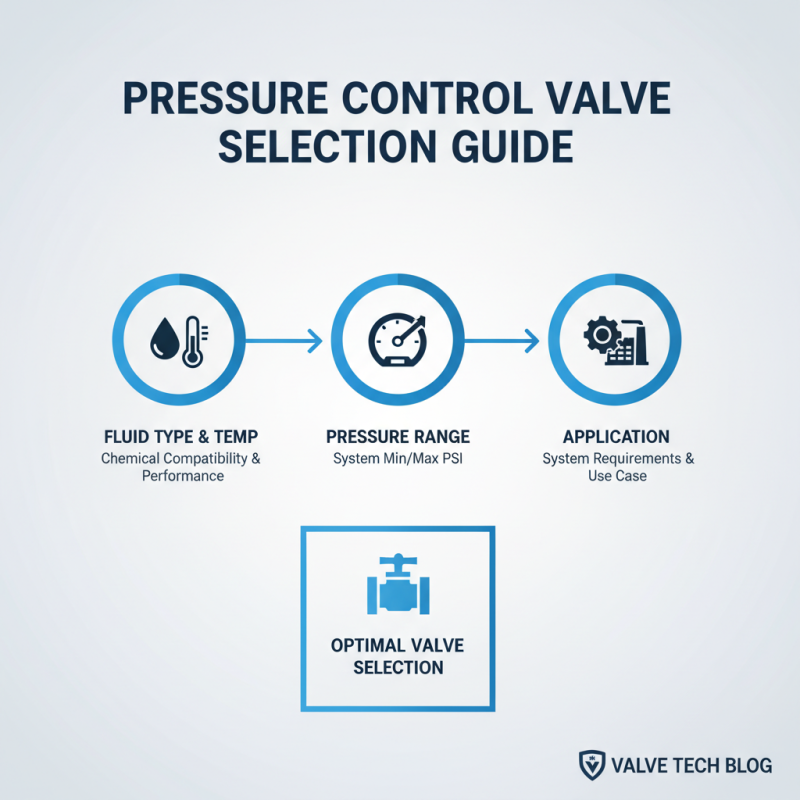
When selecting pressure control valves, several key factors should come to mind. The application is critical. Understand the fluid type and temperature. Different fluids can affect valve performance. Consider the pressure range needed for your system. Ensure that the valve can handle both maximum and minimum pressures effectively.
Material selection is equally important. Valves come in various materials, including brass, stainless steel, and plastic. Each material has unique properties and limitations. For instance, exposure to certain chemicals may corrode some materials faster than others.
Tips for choosing valves include consulting with engineers who understand system requirements. Do not overlook the importance of flow rate and valve sizing. A valve that is too small may restrict flow, while one that is too large may cause pressure fluctuations. It’s essential to strike a balance. Testing valve performance in your specific application might expose flaws in your initial choice. Consider working with prototypes if possible. This trial-and-error process can lead to better outcomes.
Selecting the right pressure control valve is crucial for various applications across industries. Different types serve distinct purposes. For instance, a spring-loaded valve automatically adjusts pressure based on spring tension. This is common in oil and gas sectors, according to a recent report by the Institute of Mechanical Engineers, which states that about 40% of pressure control valves used in these industries fall under this category.
Another prevalent type is the pilot-operated valve. These are favored in high-flow or high-pressure applications. They can respond quickly to changes, making them suitable for chemical processing. Data from the Fluid Power Journal indicates that pilot-operated valves can increase system efficiency by up to 25%. However, they can be more complex to maintain. Users often overlook this complexity when making decisions.
Electric pressure control valves are gaining traction, especially where automation is crucial. These valves can be integrated into smart systems, providing real-time data. Reports show a rise in demand, projected to grow by 15% annually through 2025. However, they require a robust understanding of electrical systems, which can complicate installation. It’s essential to consider these factors when choosing the right valve for your needs.
Choosing the right material for pressure control valves is crucial. The material must withstand various pressures and temperatures. Stainless steel is popular due to its strength. However, it can be expensive. Plastic options are lighter, but may not handle high pressures well. Always weigh the cost against performance needs.
Compatibility is another key factor. The valve material should not react with the fluid it handles. For example, corrosive substances require special materials. Failing to consider compatibility may lead to leaks. This can result in costly downtime or safety issues. Testing materials in real conditions before final selection helps identify potential problems.
Moreover, environmental factors also play a role. High humidity can affect certain materials negatively. Selecting the wrong valve may lead to frequent replacements. It's essential to consult with experts who understand these nuances. This process may be time-consuming but is necessary for long-lasting performance. Take the time to analyze all options carefully.
Pressure control valves play a key role in maintaining system stability. Regular maintenance is crucial for optimal performance. Start by checking for leaks regularly. Even small leaks can lead to significant pressure fluctuations.
Next, monitor the valve’s response time. A slow response can indicate wear. This might point to internal corrosion or debris build-up. Periodic cleaning can help prevent issues. If dirt accumulates, it could obstruct flow and disrupt operations.
Additionally, inspect seals and gaskets. Worn components may cause inconsistencies in pressure control. Replacing these parts promptly can save costs in the long run. Overlooking this detail may lead to larger failures. Keep an eye on the ambient conditions as well. Humidity and temperature can affect valve performance. Make adjustments as necessary to enhance reliability.
Regularly review all aspects of your pressure control system. An overlooked detail today may lead to problems tomorrow.