
In the world of manufacturing, the integration of technology is crucial. An expert in the field, Dr. Emily Carter, states, "The synergy between an Injection Molding Machine With Robot enhances productivity and precision." This statement captures the essence of modern manufacturing. The combination is not just about speed; it is about achieving quality and efficiency in production.
Using an Injection Molding Machine With Robot presents unique challenges and opportunities. Though many operators embrace this technology, improper setup can lead to inefficiencies. It's essential to understand the nuances of operation. Each machine behaves differently, and robotic arms require specific programming for maximum efficiency. Attention to detail during this process can make a significant difference.
Moreover, safety should never be overlooked. Operators often neglect safety protocols, which can result in accidents. Regular training and assessments are crucial to ensure safety standards are met. Embracing these tips can lead to a more successful integration of robots with injection molding technology.
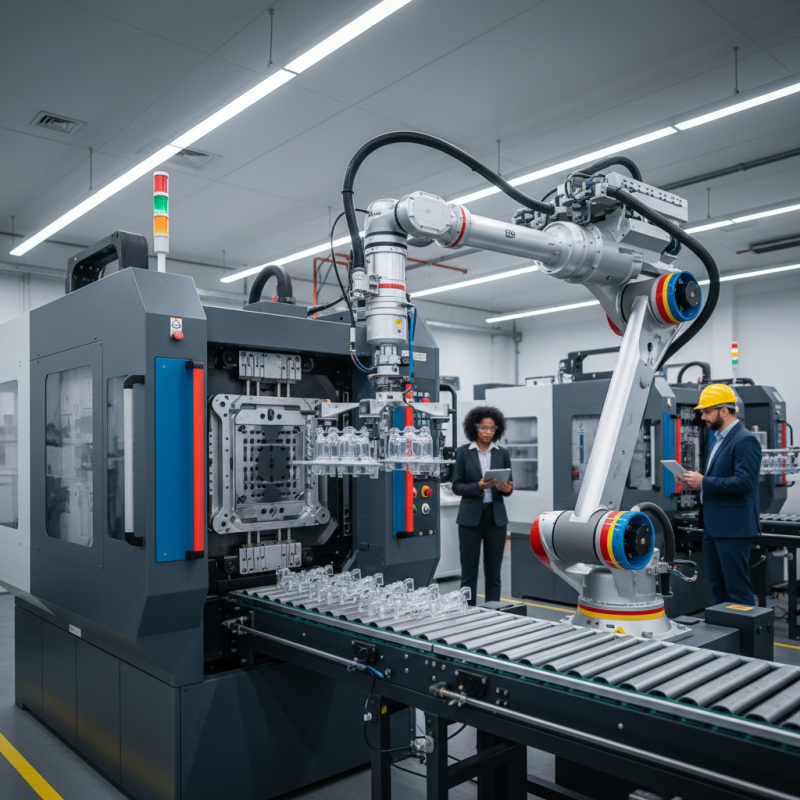
Integrating robots with injection molding machines can enhance productivity significantly. A recent industry report showed that automation can increase efficiency by up to 30%. However, several key considerations should guide this process.
Understanding the compatibility between the robot and the molding machine is crucial. Not all robots can handle the same payload or speed. For instance, a robotic arm may not be designed to operate under high clamping forces present in some machines. It's essential to match the specifications accurately. Evaluating the workspace layout is equally important. Limited space can hinder robot mobility.
Training is often overlooked. Operators need to understand the new systems thoroughly. Without proper training, mistakes are likely to occur. The learning curve can lead to delays initially. Communicating with all stakeholders can improve integration efficiency. Current data suggests that only 40% of companies effectively involve their teams in automation planning.
In the world of injection molding, choosing the right robot can significantly enhance efficiency. The types of robots commonly used include Cartesian, SCARA, and six-axis robotic arms. According to a recent industry report, around 70% of manufacturers favor Cartesian robots due to their simplicity and cost-effectiveness. These robots are ideal for tasks like material handling and part removal.
However, SCARA robots are gaining traction. They excel in high-speed applications, particularly in assembly lines. Data indicates that SCARA robots can boost productivity by up to 30%. Six-axis robots offer flexibility and precision, making them suitable for complex tasks. Still, they can be more challenging to program. Some companies struggle with integrating these advanced systems smoothly.
Choosing the right robot requires careful consideration. Not every environment suits every type. For instance, a smaller factory floor may restrict the use of large six-axis robots. Training personnel on new systems can also pose challenges. Manufacturer feedback often reveals issues with slow adaptation to robotics. Embracing robotic technology in injection molding is promising but not without its hurdles.
When working with robotic operations in injection molding, safety is paramount. Always start with a risk assessment. Identify potential hazards and establish protocols to mitigate them. Ensure that all team members are trained on these safety measures. Regular safety drills can help reinforce these protocols in a practical way.
Effective communication is essential. Use clear signals when robots are in operation. Visual alarms can alert staff to any issues. Consider signage that indicates when a robot is active. This can prevent accidents and encourage a safer work environment.
Here are a few tips for a smooth operation:
- Schedule routine maintenance for both the injection molding machine and robots.
- Inspect guards and safety devices before starting each shift.
- Encourage feedback from operators about equipment performance.
Small adjustments can lead to significant improvements. It’s vital to pay attention to details. Robots can enhance productivity, but they require constant vigilance and reflection on safety practices. Taking the time to evaluate your protocols can create a better working environment for everyone involved.
| Tip Number | Safety Protocol | Description | Recommended Tools |
|---|---|---|---|
| 1 | Conduct Regular Training | Ensure all operators are trained on machinery and robotic safety. | Safety Manual, Training Modules |
| 2 | Implement Lockout/Tagout Procedures | Prevent accidental startup during maintenance and troubleshooting. | Lockout Devices, Tags |
| 3 | Maintain a Safe Distance | Ensure operators stay outside of the robot's operating range. | Safety Barriers, Warning Signs |
| 4 | Use Proper Personal Protective Equipment | Wear necessary PPE to protect against hazards. | Gloves, Safety Glasses, Hard Hats |
| 5 | Perform Regular Maintenance | Ensure machines and robots are maintained to avoid malfunctions. | Maintenance Tools, Lubricants |
| 6 | Avoid Loose Clothing | Prevent clothing from getting caught in moving parts. | Safety Guidelines |
| 7 | Establish Communication Protocols | Ensure clear communication between operators when working with robots. | Walkie-Talkies, Signal Flags |
| 8 | Use High-Quality Equipment | Invest in reliable equipment to minimize malfunctions. | Robotic Arm, Injection Molding Machine |
| 9 | Monitor and Review Processes | Regularly review safety processes to identify areas for improvement. | Checklists, Review Meetings |
| 10 | Emergency Preparedness | Have emergency procedures in place for quick response. | Emergency Kits, First Aid Training |
When optimizing injection molding machines with robots, efficiency is key. Focusing on how to enhance this process can lead to significant improvements. One effective strategy is to ensure proper communication between the molding machine and the robot. Companies often overlook this detail. Miscommunication can lead to delays and increased cycle times.
Another tip involves the careful programming of the robot’s movements. Fast, efficient motions can drastically reduce cycle times. However, hasty programming might lead to accidents or errors. It's important to strike a balance between speed and accuracy. John, a factory technician, revised the robot's path after noticing unnecessary delays. This small adjustment saved hours of production weekly.
Regular maintenance is fundamental too. Worn components can slow down operations. Implement a routine check-up plan for the robot and machine. Neglecting this task can lead to unexpected downtimes. Additionally, training the staff can enhance efficiency. Skilled workers can quickly address issues and optimize the setup. Even minor changes, like adjusting settings, can yield notable benefits. Always reflect on past errors and learn from them for continuous improvement.
Routine maintenance for injection molding machines and robots is critical in preventing costly downtime. According to a recent report from Research and Markets, improper maintenance can lead to more than 30% of unplanned outages in manufacturing processes. Regular checks can keep machines running smoothly. Inspect hydraulic systems frequently. A small leak can escalate into a significant problem.
Daily cleaning should not be overlooked. Dust and debris can accumulate, causing wear and impacting performance. Checking the cooling system is vital. Overheating can shorten machine lifespan. Documentation of maintenance activities is essential. It helps in identifying patterns and potential failures. Skipping maintenance might seem like saving time. However, it often leads to more extensive repairs and service delays.
Monitoring robotic arms is equally important. Proper lubrication should occur at defined intervals. Failing to lubricate can result in increased friction, causing operational issues. A study indicated that nearly 25% of production errors arise from robotic malfunctions due to inadequate maintenance. Maintaining both the machines and robots will contribute to better operational efficiency over time.