
1-208-754-4884

China Top 10 2.5 mm Microneedling Device Suppliers?

Choosing a Chinese supplier for a 2.5 mm microneedling device takes more than comparing prices or polished catalog photos. Buyers should check needle-cartridge compatibility, motor consistency, handpiece balance, depth adjustment, and the clarity of operating instructions. These details shape everyday use. They deserve written answers, not only sales assurances.

Microneedling 2.5 Mm is a useful search phrase, but the device’s specifications still need careful review. Ask suppliers for product documentation, quality-control details, warranty terms, and clear information about replacement parts. Where possible, request a demonstration or sample and assess the controls, packaging, and cartridge fit yourself. A polished brochure is not proof. This guide introduces ten China-based suppliers for further consideration, using practical points such as product range, manufacturing information, communication, and after-sales support. It is a starting point, not an endorsement or a guarantee of performance. Some capable manufacturers may not appear here, and public information can be incomplete. That is worth remembering.

Before purchasing, confirm that the device suits your intended professional setting and check the requirements that apply in your market. Do not rely on claims that lack supporting documents. A dependable supplier should answer technical questions plainly and provide consistent records. Small checks matter: a loose cartridge connection or unclear instruction sheet can create avoidable problems. Compare carefully, request evidence, and make your own assessment.
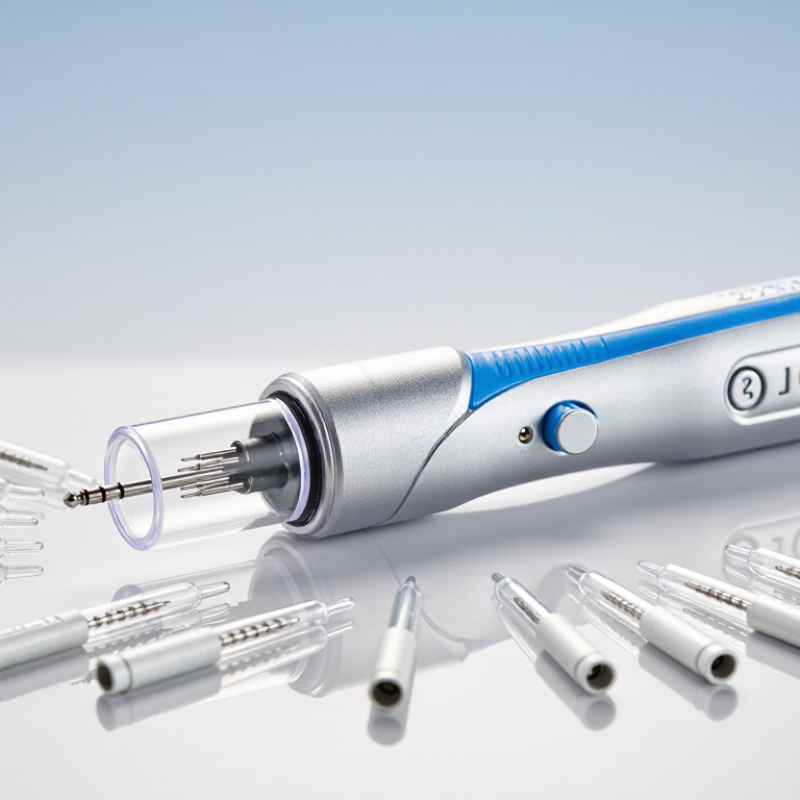
China Top 10 2.5 mm Microneedling Device Suppliers?

What Defines a 2.5 mm Microneedling Device?

China Top 10 2.5 mm Microneedling Device Suppliers?
What Defines a 2.5 mm Microneedling Device?

A 2.5 mm microneedling device is identified by its stated maximum needle extension. This measurement describes how far the needles can project from the cartridge, not a guaranteed depth inside the skin. Actual penetration changes with pressure, angle, skin firmness, and the device’s movement. That distinction matters. A setting on a dial is not a precise reading of tissue depth.

When assessing a device, check the needle cartridge design, adjustment range, and clear technical documentation. The motor should move steadily, without visible stalling or uneven vibration. A clean, secure cartridge connection also matters, since movement can affect consistency. These details do not prove clinical performance on their own, but they help buyers ask informed questions. A 2.5 mm setting may require professional assessment and appropriate training; it should not be treated as a routine home-use depth.

Tips: Confirm whether the listed 2.5 mm refers to maximum extension or another measurement. Review the instructions, cartridge specifications, and cleaning guidance. Small details count. If the documentation is vague, pause and seek qualified advice rather than guessing.

What Defines a 2.5 mm Microneedling Device?

Nominal Needle Extension: Metric-to-Inch Reference

A “2.5 mm” designation refers to a nominal needle-extension or depth setting, depending on the device. The chart converts millimeters to inches using 1 inch = 25.4 millimeters. The setting does not guarantee the same actual penetration in every use; device design, technique, and skin characteristics can affect it. Follow the device’s instructions for use.

How China’s Microneedling Device Supply Market Is Structured

China’s 2.5 mm microneedling supply market is a network, not a single factory category. Grand View Research estimated the global microneedling market at USD 568.4 million in 2023 and projected 7.5% compound annual growth from 2024 to 2030. That figure covers a wider market, not China-made 2.5 mm devices alone. Still, it signals growing demand for reliable components, assembly, and service.

In China, suppliers commonly sit in different parts of the chain: some make handpieces and motors, others produce cartridges, and OEM or ODM firms combine components into finished devices. Export traders may handle packaging and buyer communication, while manufacturers manage production records and inspection. A supplier’s catalogue is not proof of factory capability. Request sample inspection, traceable batch records, and clear warranty terms. Check whether “2.5 mm” means maximum needle extension; actual penetration can vary with pressure and skin movement. This detail is often glossed over.

Tip: Compare cartridge fit, needle stability, and measured extension across samples. Ask for test methods, not just a specification sheet. Small differences matter. A polished brochure helps, but it cannot replace repeatable inspection.

Profiles of Ten Chinese 2.5 mm Microneedling Device Suppliers

China’s 2.5 mm microneedling suppliers differ in engineering focus, production scale, and documentation. A useful profile compares capabilities rather than relying on broad marketing claims. One supplier may specialize in pen-shaped devices; another may focus on adjustable depth settings or motor stability. Others may offer cartridge design, metal housing, assembly, quality inspection, or export packaging.

The remaining profiles may emphasize ergonomic grips, clear operating instructions, component traceability, or responsive customization. Ask each supplier how it checks needle depth, vibration, and cartridge fit. Request recent test records and sample units before discussing larger orders. A smooth motor matters. So does consistent assembly. A 2.5 mm setting is not suitable for every area or user, so product specifications and intended use need careful review. Supplier claims should be independently checked.

Tips: Compare the same details across all ten profiles: depth range, sample quality, documentation, lead time, and after-sales support. Keep written records. Small differences matter.

How to Compare Supplier Quality, Compliance, and Customization

Comparing China’s Top 10 2.5 mm Microneedling Device Suppliers

A supplier comparison should go beyond product photos and quoted prices. Ask for the device’s material specifications, needle-length tolerances, and batch inspection records. For a 2.5 mm model, confirm how the stated length is measured and whether production checks verify consistency. Small differences matter. Request a recent sample and inspect its finish, packaging, and documentation before discussing larger orders.

Review quality systems and compliance evidence with care. Request current certificates and test reports, then check their scope, issuing body, and product relevance. Requirements vary by destination and intended use, so confirm applicable documentation with a qualified compliance professional. A polished certificate alone proves little. Ask how complaints, defects, and production changes are recorded, and whether batch numbers allow traceability. This is easy to overlook.

Customization can include handle shape, materials, packaging, labeling, or private specifications. Be precise about drawings, tolerances, and approval steps. Ask whether changes require new samples or testing, and who signs off before production. Compare lead times and minimum order quantities alongside quality controls. A perfect-looking sample can still hide inconsistent bulk production; I would want inspection criteria agreed in writing, even if that slows the conversation. A little friction is useful.

What to Check Before Choosing a Supplier

Before choosing a Chinese supplier for a 2.5 mm microneedling device, ask for evidence behind the specifications. Request drawings showing needle length and cartridge tolerances, plus batch inspection records. A printed “2.5 mm” claim is not enough; actual dimensions can vary. Ask for proof.

Check how the supplier verifies needle consistency, material quality, and device performance. Review test reports, quality-management documentation, and traceability records for the specific model you plan to buy. Confirm what the quoted price includes: sample testing, packaging details, and support for resolving defects. Grand View Research’s 2024 microneedling market report estimated a global market value of USD 584.6 million in 2023, with projected growth of 7.7% annually through 2030. That signals commercial interest, not product reliability.

Ask whether reported test results apply to your exact configuration, including its cartridge and power settings. Request a sample, inspect its fit, and compare the delivered unit with approved specifications. Clarify lead times, minimum order quantities, and how changes are communicated. Numbers need context. I would not treat a polished factory video as a substitute for dated documents and independent checks. Supplier claims should be specific, verifiable, and consistent across samples and production records.

China Top 10 2.5 mm Microneedling Device Suppliers? - What to Check Before Choosing a Supplier
Evaluation area What to check Evidence to request Suggested weight Buyer score
Regulatory fit Confirm the device’s intended use, classification, and required market authorizations for each country where it will be sold. Requirements vary by jurisdiction and product claims. Applicable registration or authorization records, product labeling, and documentation identifying the legal manufacturer and intended use. 20% ____ / 5
Needle-depth specification Verify that 2.5 mm is a clearly defined maximum or selectable setting, and check how depth is adjusted and indicated. Do not assume displayed depth equals actual penetration in use. Technical datasheet, user manual, depth-setting method, and test information explaining measurement tolerances. 15% ____ / 5
Needle cartridge safety Check cartridge compatibility, attachment security, needle material, and whether cartridges are intended for single use or reuse. Verify disposal instructions and safeguards against accidental reuse where relevant. Cartridge specifications, compatibility list, labeling, instructions for use, and applicable sterilization or manufacturing records. 15% ____ / 5
Quality management Assess whether the supplier can trace production lots, manage nonconformities, and maintain controlled manufacturing and inspection processes. Verify certificates independently where possible. Current quality-system certificates within their stated scope, audit information, inspection records, and sample traceability documents. 12% ____ / 5
Performance and reliability Evaluate motor consistency, vibration, operating noise, speed settings, and performance over the intended duty cycle. Compare samples using the same test conditions. Written test methods and results, product specifications, sample evaluation, and documented acceptance criteria. 10% ____ / 5
Electrical and battery safety Check power input, charger compatibility, battery specifications, protection features, and applicable electrical safety and electromagnetic compatibility requirements for the target market. Electrical specifications, relevant test reports or declarations, charger details, and battery transport documentation when applicable. 8% ____ / 5
Supplier capability and traceability Confirm the supplier’s role in manufacturing, quality control, and after-sales support. Check that device and cartridge lots can be traced through production and shipment records. Facility or process overview, sample lot records, company registration details, and a written explanation of outsourced processes. 7% ____ / 5
Documentation and language support Check that manuals, labels, warnings, and maintenance instructions can be supplied in the languages required for the intended market and are consistent with authorized product claims. Current manual and label samples, revision history, and a process for reviewing translated materials. 5% ____ / 5
Commercial terms and delivery Compare minimum order quantity, lead time, payment terms, packaging, shipping responsibilities, and procedures for handling delays or order changes. Formal quotation, written delivery schedule, packaging details, and agreed purchase and inspection terms. 4% ____ / 5
Warranty and post-sale support Review warranty coverage, exclusions, repair or replacement process, spare-part availability, and response times for technical questions or complaints. Written warranty terms, service contact details, complaint-handling procedure, and spare-parts policy. 4% ____ / 5
Suggested weighting totals 100%. Score each supplier against the same evidence and target-market requirements; verify regulatory documents and claims independently before purchase.