1-208-754-4884

What Are the Top Air Control Valves for Global Buyers?
Global buyers comparing Air Control Valves need more than a brand name or a low quoted price. The right choice depends on working pressure, flow demand, port size, media, response time, and the equipment surrounding the valve. A compact solenoid valve may suit a packaging line, while a rugged directional valve may better serve a dusty factory floor. Details matter.
A note on attribution: no source article or verified expert quotation was provided. To avoid presenting invented words as fact, the following is an illustrative line, not a real quotation. Maya Chen is a fictional composite pneumatic-systems specialist: “Choose the valve for the operating conditions, not just the catalogue rating.” The principle is simple. The evidence behind it should be checked against current product data and the buyer’s own operating conditions.
This guide will compare leading options by performance, reliability, availability, and support. It will also consider coil voltage, connection standards, seal compatibility, and maintenance access. A valve can look ideal on paper and still disappoint when its exhaust is restricted or its duty cycle is misunderstood. That happens.
Global sourcing adds another layer. Buyers should confirm documentation, spare-part access, lead times, and technical assistance before placing large orders. No single model is best for every plant. Even a familiar brand may offer different specifications across regions. Careful comparison helps buyers shortlist Air Control Valves that fit their application, rather than relying on broad claims alone.
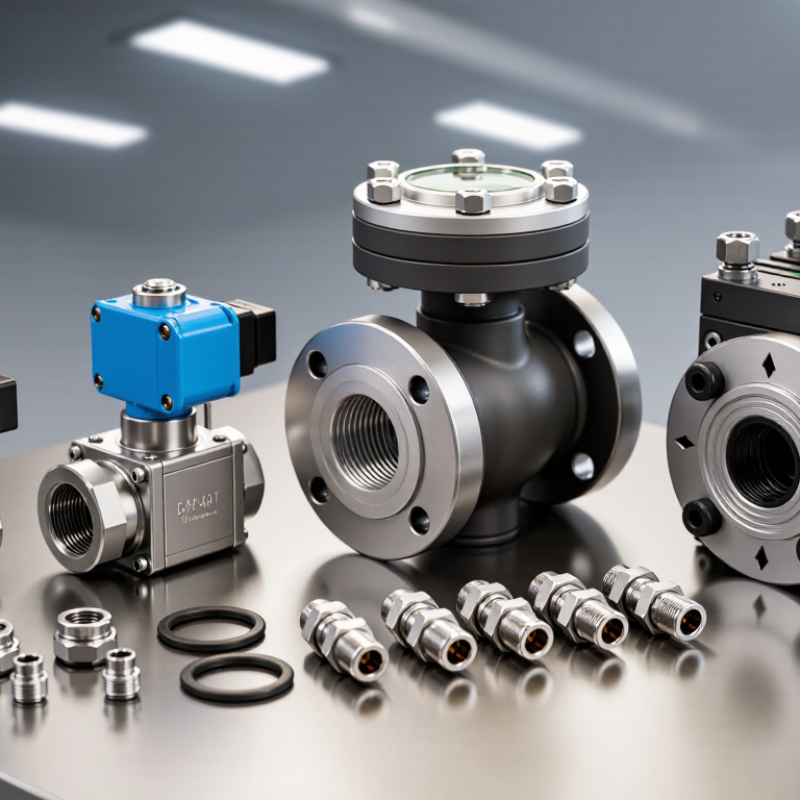
Table of Contents
[Hide]
What Air Control Valves Are and How They Work
Air control valves regulate compressed air by opening, closing, or redirecting its flow. A pressure signal moves a spool, poppet, or diaphragm inside the valve. This action controls an actuator, cylinder, or pneumatic tool. A two-way valve starts or stops flow, while three-way and five-way valves reverse actuator movement. The principle is simple. The application is not.
The U.S. Department of Energy reports that compressed-air systems can waste 20% to 30% of generated air through leaks, poor controls, and unsuitable equipment. An air control valve therefore affects more than motion. Its leakage rate, response time, flow capacity, and pressure range influence energy use and production stability. Buyers should compare Cv or flow-rate data, operating temperature, seal compatibility, and required filtration. Moisture can quietly damage performance.
The global industrial valves market was valued at approximately USD 78 billion in 2023, according to Grand View Research. That figure includes many valve types, but it shows the scale of industrial demand. In field inspections, technicians often discover that a correctly sized valve performs better than a larger one. Bigger is not automatically safer. A 5/2 valve may suit a double-acting cylinder, while a 3/2 valve may fit a single-acting design. Selection still depends on cycle speed, load, air quality, and failure position. Some catalog data also assumes ideal laboratory conditions. Real factories are less forgiving.
What Are the Top Air Control Valves for Global Buyers? — What Air Control Valves Are and How They Work
| Valve Type | How It Works | Common Pneumatic Configuration | Typical Applications | Key Selection Considerations |
|---|---|---|---|---|
| Directional control valve | Moves an internal spool or poppet to connect, block, or exhaust air passages, directing compressed air to different parts of a circuit. | Common configurations include 3/2 valves for single-acting actuators and 5/2 valves for double-acting actuators. A 5/3 valve adds a selectable center position. | Starting, stopping, and reversing pneumatic cylinders and other actuators. | Check the number of ports and positions, actuator type, required flow capacity, and whether the valve is normally open or normally closed where applicable. |
| Solenoid-operated valve | An electrical coil moves a pilot or the main valve element. Some designs use direct action; others use air pressure to pilot the main stage. | Available in multiple directional configurations, including 3/2, 5/2, and 5/3. | Automated machinery, control panels, and systems where an electrical controller switches pneumatic devices. | Match the coil voltage and electrical connection to the control system. Also verify pressure, flow, duty requirements, and whether pilot pressure is needed. |
| Manual or mechanical directional valve | A hand lever, push button, roller, or similar mechanism shifts the valve element to change the airflow path. | Often used as a manually operated or mechanically actuated directional valve; porting depends on the circuit. | Operator controls, limit-position sensing, and simple pneumatic sequences. | Consider the operating force, mounting method, actuation direction, and whether the valve must return automatically after release. |
| Flow control valve | An adjustable restriction changes airflow rate and therefore influences actuator speed. A one-way flow control combines a restriction with a check valve for free flow in the opposite direction. | Commonly installed for meter-in or meter-out control on a cylinder line. | Adjusting the extension or retraction speed of pneumatic actuators. | Choose a suitable flow capacity and install it in the intended direction. Speed also depends on load, tubing, pressure, and the actuator. |
| Pressure regulator | Reduces a higher supply pressure to a lower downstream setting and adjusts its opening to help maintain that setting as demand changes. | Usually fitted upstream of the equipment or branch circuit it serves; gauges may be used to monitor pressure. | Setting operating pressure for tools, actuators, and pneumatic equipment. | Check inlet-pressure limits, adjustable outlet range, required flow, pressure stability, and whether filtration or lubrication is also needed. |
| Check valve | Allows airflow in one direction and restricts reverse flow using a movable element such as a poppet or disc. | May be used alone or built into another pneumatic component, such as a one-way flow control. | Preventing reverse airflow and separating or protecting parts of a pneumatic circuit. | Verify the permitted flow direction, cracking pressure, flow capacity, and compatibility with the operating pressure. |
| Quick exhaust valve | When installed near an actuator, it provides a local exhaust path so air can leave the actuator without returning through the directional valve and long tubing. | Typically connected between a directional valve and a cylinder port. | Applications where reducing actuator exhaust restriction can improve response or operating speed. | Install close to the actuator and confirm port size, exhaust capacity, and suitability for the circuit’s pressure and flow. |
| Soft-start and dump valve | A soft-start function gradually raises downstream pressure during startup. A dump function vents downstream air when its control or safety conditions require it. | Often installed near the inlet of a machine’s pneumatic supply; some designs combine both functions. | Controlled pressurization and air venting in machine pneumatic systems. | Confirm the required startup behavior, venting capacity, control method, and applicable machine risk assessment. It is not a substitute for a complete safety design. |
| Pressure relief valve | Opens when pressure reaches its set point to release air and limit pressure rise within the protected section. | Installed where pressure protection is required, in accordance with the system design. | Overpressure protection for compatible pneumatic equipment and circuits. | Set pressure and discharge capacity must suit the protected equipment and applicable requirements. Do not use it as a routine pressure regulator. |
Related Posts
-

How to Choose Air Control Valves for Global Sourcing?
-
Essential Guide to Choosing the Best Air Control Valves for Optimal Performance
-
How to Choose the Right Control Valve Supplier?
-
What Are the Top Types of Control Valves?
-
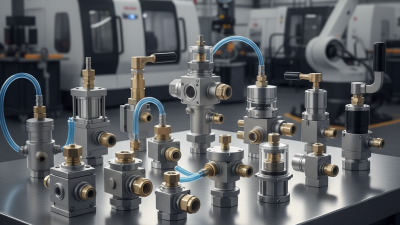
Top 10 Air Control Valves You Need to Know About?
-

Ultimate Checklist for Choosing the Right Automatic Valves for Your Industrial Needs