Top 10 Aluminum Profile For Doors You Need to Consider?
When it comes to choosing the right aluminum profiles for doors, expert insights play a crucial role. John Smith, a veteran in the aluminum industry, once said, “The right profile can transform a door’s entire functionality and aesthetic.” This highlights the importance of selecting the best Aluminum Profile For Doors that suits your needs.
Aluminum profiles bring strength and versatility. They are lightweight yet durable, making them ideal for both residential and commercial applications. Choosing the wrong profile can lead to issues like poor insulation or structural weaknesses. The diverse range of designs available may overwhelm buyers, but focusing on core requirements can ease the decision-making process.
Consider factors like style, weather resistance, and ease of installation. Each element contributes uniquely to the overall performance of the doors. Making an informed choice about aluminum profiles for doors elevates not only aesthetics but also practicality. These decisions may seem daunting, but they can greatly impact long-term satisfaction. Reflect on your options carefully.
Key Characteristics of Aluminum Profiles for Doors
When selecting aluminum profiles for doors, key characteristics play a crucial role in performance and durability. Aluminum is lightweight yet robust, making it an ideal choice for various door applications. According to industry reports, profiles with a thickness of at least 1.5 mm are recommended for longevity and resistance to deformation. Corrosion-resistant coatings further enhance their lifespan, often exceeding 30 years, especially in harsh weather conditions.
Tip: Always check the thermal performance of aluminum profiles. A good profile has a thermal break that minimizes heat transfer. Profiles with low U-values, ideally below 1.8 W/m²K, improve energy efficiency. This reduces heating and cooling costs significantly over time, providing long-term savings.
Design flexibility is another important characteristic. Custom profiles can be tailored to specific architectural needs while maintaining structural integrity. However, inconsistent quality can be a concern. It's crucial to source profiles from reliable manufacturers that adhere to industry standards. Regular checks and adherence to guidelines will ensure your profiles meet safety criteria and perform as expected.
Types of Aluminum Profiles Available for Door Construction
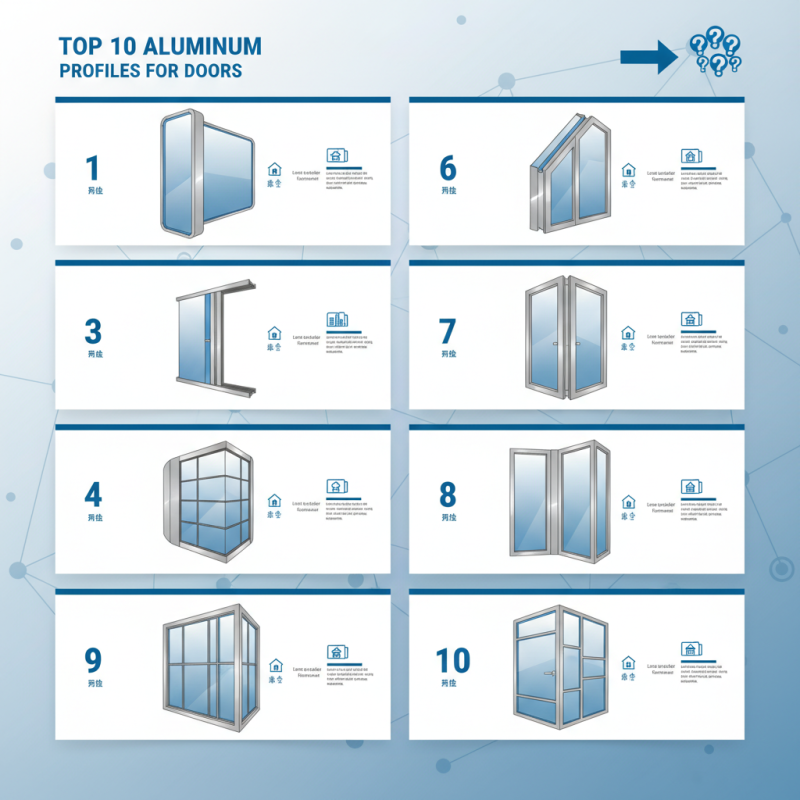
When considering aluminum profiles for doors, various types cater to different needs. Architectural profiles are popular for their aesthetic appeal. They often feature sleek designs that enhance the visual aspect of a building. For commercial settings, heavy-duty profiles offer strength and durability. They can withstand high traffic and environmental stressors.
Consider thermal break profiles if energy efficiency is a priority. These designs reduce heat transfer, improving insulation. This is especially valuable in regions with extreme temperatures. Another option is bi-fold profiles. They create open spaces by folding doors, making them ideal for modern homes. Integration with smart technology is becoming common, allowing for automated opening and closing systems.
Each type comes with its own advantages and challenges. For instance, heavy-duty profiles can be more expensive. They also require specific installation techniques. Thermal break options might need professional installation to function correctly. Not every profile suits every environment, and flexibility in design can be a double-edged sword. It's crucial to evaluate the needs before making a choice.
Factors to Consider When Choosing Aluminum Profiles for Doors
When selecting aluminum profiles for doors, several factors must be considered. Durability is key. High-quality aluminum withstands weather changes and resists corrosion. Look for profiles with a protective coating. This enhances longevity and maintains appearance over time.
Another important aspect is design versatility. Profiles come in various styles and finishes. Choose a design that complements your architectural vision. Customization options allow for unique shapes and sizes. This helps in maximizing aesthetic appeal and functionality.
Cost is also a critical factor. While cheaper profiles may save money upfront, consider long-term value. Inexpensive options often lead to frequent replacements. It’s essential to balance affordability with quality. Assess your budget against the expected lifespan of the profiles. This reflection can prevent regrets down the line.
Comparative Analysis of Popular Aluminum Profiles
When considering aluminum profiles for doors, a comparative analysis reveals significant differences in performance and durability. According to industry reports, aluminum doors offer flexibility and strength, making them a popular choice. They're also resistant to corrosion, ensuring longer lifespan compared to wood and other materials.
Recent studies show that profiles with thicker walls yield better insulation values. Profiles that meet thermal break standards have improved energy efficiency. However, these features often come at a higher cost. In contrast, basic profiles might be more affordable but could lack the necessary strength and thermal performance.
Choosing the right aluminum profile requires careful examination of the specific needs. Some profiles are designed for aesthetic appeal, while others are engineered for robustness. The balance between style and functionality is crucial. Ultimately, not all profiles meet all requirements, which necessitates a critical understanding of each option's strengths and weaknesses.
Top 10 Aluminum Profile For Doors You Need to Consider - Comparative Analysis of Popular Aluminum Profiles
| Profile Type | Thickness (mm) | Weight (kg/m) | Load Capacity (kg) | Surface Finish | Applications |
| Standard Rectangular | 2.0 | 2.5 | 150 | Anodized | Sliding Doors |
| Frameless Glass | 3.0 | 3.0 | 200 | Polished | Storefronts |
| Hollow Channels | 2.5 | 2.8 | 180 | Powder Coated | Interior Doors |
| Heavy Duty Profile | 4.0 | 4.5 | 250 | Brushed | Industrial Doors |
| Thermal Break | 2.5 | 3.2 | 220 | Anodized | Energy Efficient Doors |
| Slim Frame Profile | 1.5 | 2.0 | 100 | Painted | Modern Design Doors |
| T-Bar Profile | 2.0 | 2.5 | 170 | Anodized | Partition Openings |
| L-Shape Profile | 2.5 | 3.0 | 190 | Powder Coated | Framed Doors |
| Arch Top Profile | 3.0 | 3.5 | 210 | Anodized | Entrance Doors |
| C-Shaped Profile | 2.0 | 2.6 | 160 | Brushed | Decorative Doors |
Maintenance Tips for Aluminum Profiles in Door Applications
Aluminum profiles are popular choices for door applications due to their strength and lightweight nature. However, to maintain their appearance and functionality, regular care is essential. Here are some essential tips.
Cleaning your aluminum door profiles should be a priority. Use a soft cloth and mild detergent to remove dirt and dust. Avoid harsh chemicals; they can damage the finish. Rinse with water and wipe dry. Pay attention to any scratches. Small scratches can be polished out, but deeper ones may require professional help.
Inspect the seals and frames regularly. Look for signs of wear or corrosion. A damaged seal can compromise energy efficiency. If you notice issues, address them immediately. Replacing seals can prolong the life of your aluminum doors.
Maintaining your aluminum profiles doesn't have to be cumbersome. Simple, routine care can preserve their appeal. Regular attention prevents buildup and reduces the risk of significant damage. Aluminum doors offer durability, but they need your effort to stay functional.