Top Conveyor Roller Suppliers for 2026 What to Look For?
In the ever-evolving world of manufacturing and logistics, choosing the right Conveyor Roller Suppliers is crucial for operational efficiency. As noted expert in industrial supply chains, Dr. Emily Hartman states, "The right supplier can transform your entire production line." This underscores the importance of assessing the capabilities of potential suppliers, especially as we approach 2026.
When searching for Conveyor Roller Suppliers, key factors must be considered. Quality materials, reliability, and timely delivery are essential. The best suppliers demonstrate expertise and a proven track record. Their products should inspire confidence and ensure smooth operations. However, not every supplier maintains consistent standards. Some may overpromise yet underdeliver, leading to frustration and downtime.
Investing time into supplier research is vital. A strong partnership with a reputable supplier can significantly impact productivity. Evaluating recommendations and industry reviews can provide insights into suppliers' reputations. Pay attention to those with specialized experience in conveyor systems. This discernment is what separates effective suppliers from the average ones, creating a lasting competitive edge.
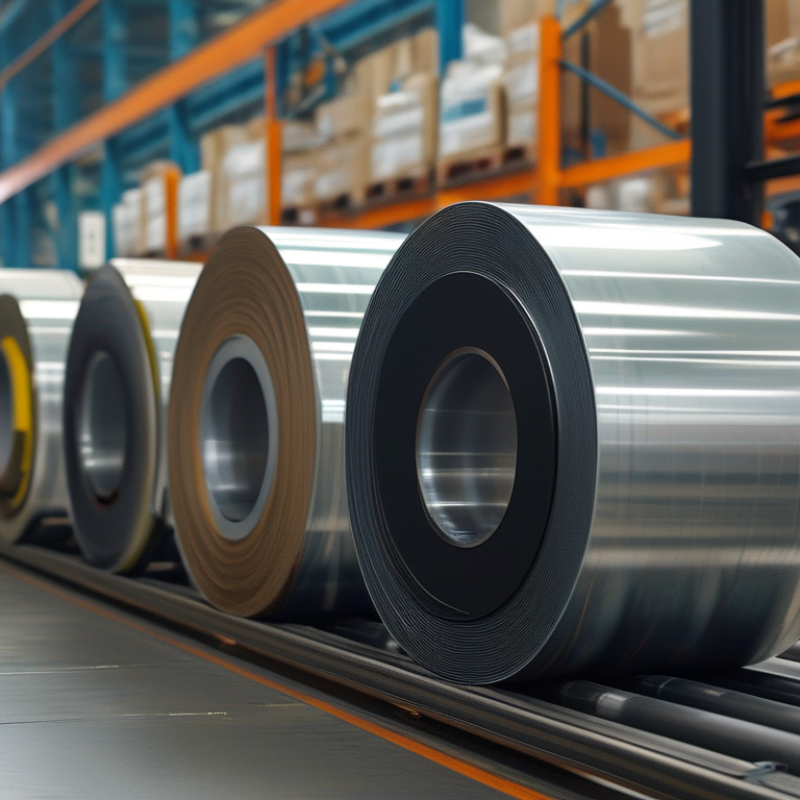
Identifying Key Features of Conveyor Roller Suppliers
When selecting conveyor roller suppliers, key features play a critical role. Reliability is paramount. Suppliers should consistently deliver high-quality products on time. Look for suppliers who offer transparent communication. If issues arise, they should address them promptly. This builds trust and ensures a smooth operation.
Another significant aspect is the variety of products offered. A good supplier provides various types of rollers. This includes configurations for different weights and materials. It's essential to find a supplier with experience in your industry. Their knowledge can lead to tailored solutions, enhancing overall efficiency.
Certifications matter too. They show adherence to industry standards. A certified supplier demonstrates commitment to quality and safety. However, not all suppliers can maintain these standards consistently. Conducting thorough research and seeking feedback can help avoid common pitfalls. Balancing cost with quality should always be a consideration.
Evaluating Supplier Experience and Industry Reputation
When evaluating conveyor roller suppliers, industry reputation plays a crucial role. A supplier's reputation can reveal insights into their reliability. Consider their years in the industry. Familiarity with market demands often signals quality. Assess online reviews, but maintain a critical eye. Not all feedback is genuine; some may be exaggerated or misleading.
Experience matters. A supplier with a solid track record understands diverse applications. They can adapt their products to meet varied needs. Check for case studies or portfolio examples. These documents can illustrate how they deliver solutions. Engaging with industry practitioners can also provide insights. Casual conversations can reveal practical experiences that highlight strengths or weaknesses.
It's essential to consider a supplier's customer support as well. Responsive and knowledgeable support enhances the overall partnership. However, not every supplier excels in this area. Look for testimonials that indicate reliable after-sales service. These details can influence long-term satisfaction. Suppliers should also offer flexibility to adapt to changing requirements. Always reflect on what matters most for your operations. Prioritize suppliers who demonstrate both expertise and a commitment to continuous improvement.
Top Conveyor Roller Suppliers for 2026 What to Look For? - Evaluating Supplier Experience and Industry Reputation
| Supplier Experience (Years) | Industry Reputation (Rating out of 5) | Product Range (Number of Products) | Customer Service (Response Time in Hours) | Sustainability Initiatives (Yes/No) |
| 15 | 4.8 | 250 | 1.5 | Yes |
| 10 | 4.5 | 150 | 2.0 | No |
| 20 | 5.0 | 300 | 1.0 | Yes |
| 5 | 4.0 | 100 | 3.0 | No |
Assessing Product Quality and Range of Conveyor Rollers
When choosing conveyor rollers, product quality is critical. A reliable roller can directly impact operational efficiency. According to a report by MarketsandMarkets, the global conveyor systems market is projected to reach USD 9.2 billion by 2026. This growth emphasizes the need for high-quality components.
The material of conveyor rollers plays a significant role. Common materials include steel, aluminum, and polymer. Steel rollers offer excellent strength and support heavy loads. However, they can be prone to corrosion if not properly coated. Aluminum rollers are lighter but may not withstand extreme conditions. Each material has its benefits and drawbacks, necessitating careful selection based on specific operational needs.
Furthermore, the range of products available is just as important. A supplier with a diverse selection can cater to various industries, from mining to food processing. The flexibility in design and customization options is vital for optimizing workflows. Some reports suggest that customization can lead to a 20% increase in productivity. However, not all suppliers will have the breadth of options required. This limitation highlights the importance of thorough research before making a decision. Selecting a supplier that balances quality and variety is crucial for long-term success.
Understanding Pricing Strategies and Value for Money
When evaluating conveyor roller suppliers, pricing strategies are crucial for decision-making. Suppliers often use various models to determine their prices. Some may offer fixed pricing, while others may have tiered strategies. It's essential to understand these pricing structures and how they align with your needs. This knowledge can help you avoid overspending and ensure optimal procurement.
Value for money should be your guiding principle. This involves more than just the lowest price. Consider the roller's longevity and performance in your environment. Higher-quality rollers can reduce downtime, which translates to long-term savings. However, not all expensive products guarantee excellence. Thus, seeking customer reviews and case studies can offer insight into actual performance.
Reflecting on past purchases can reveal insights into future decisions. Were the initial costs justified by the performance? Did the supplier provide adequate support? These reflections can guide you to make more informed choices in selecting suppliers. Balancing cost with quality is key, but it requires careful consideration and sometimes, learning from past mistakes.
Exploring Customer Service and Technical Support Options
When selecting conveyor roller suppliers, customer service and technical support are paramount. Good suppliers should offer timely responses. Quick answers to inquiries improve workflow efficiency. A knowledgeable support team can clarify doubts and troubleshoot issues effectively. This responsiveness builds a strong working relationship.
It's essential to assess the quality of technical support thoroughly. Look for suppliers who provide comprehensive manuals and online resources. Training options are beneficial for your team. Hands-on workshops, for example, can provide practical knowledge. However, some suppliers may not offer sufficient training. This gap can lead to misunderstandings during critical operations. Evaluating feedback from existing customers can help you gauge the support quality.
Beyond support, consider the supplier’s flexibility in customization. Your unique needs may require specific roller designs. Discussing these needs ahead of time is crucial. Suppliers that listen and adapt demonstrate commitment. Yet, not all will meet such standards. Misalignment between your requirements and their offerings can lead to frustration. Choose a supplier who prioritizes your needs and communicates clearly.